

Reviewed · SPLIT OLD TOWN WALKING TOURS
Split: Local History and Culture 90-Minute Walking Tour
Split’s palace starts inside a fountain. This 90-minute local history walk centers on Diocletian Palace and the wider UNESCO old-town area, with extra stops tied to Game of Thrones. You’ll meet right by the Golden Gates zone and get a fast orientation for the maze of stone streets.
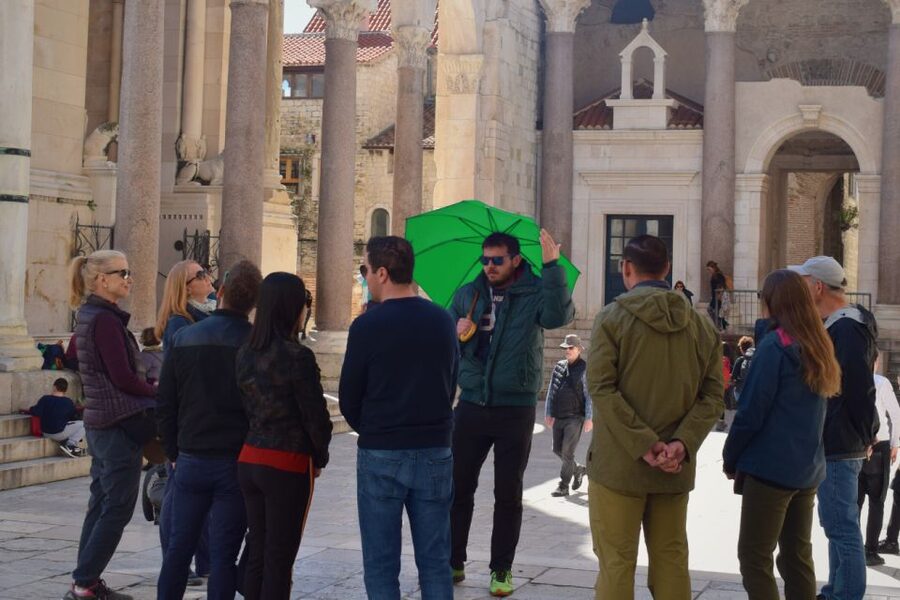
I especially love how the tour feels personal. In practice, it’s run as a small group, and I like that guides such as Mijo bring stories that match the people in front of him. You also get practical extras: route planning with shade ideas for warmer hours, plus photo help at key points along the way.
One thing to keep in mind is that it’s still a walking tour. If the sun is intense, you’ll want your water and hat ready, and the 90 minutes can’t cover every alley and side church in Split.
In This Review
- Key points worth caring about
- Meeting at Strossmayer Park: the fast start you need
- Golden Gates and the Diocletian Palace effect
- UNESCO highlights you can spot without a decoder ring
- Game of Thrones spots: what to look for and why it worked
- The guide makes culture click: stories, humor, and real tips
- Walk speed, group size, and timing: how to get the best version
- Is $17 a good deal for Split’s old town?
- What’s included (and what you’ll need to plan yourself)
- Practical logistics that actually matter on this walk
- Who should book this tour in Split?
- Should you book Split Local History and Culture (90-Minute Walking Tour)?
Key points worth caring about
- Diocletian Palace + UNESCO focus without getting lost in big-group facts
- Game of Thrones location context tied to what you can see today
- Small-group feel with time to ask questions and get photo help
- Local recommendations after the walk, including food ideas and money-saving tips
- A route that considers the weather, with shade noted for midday tours
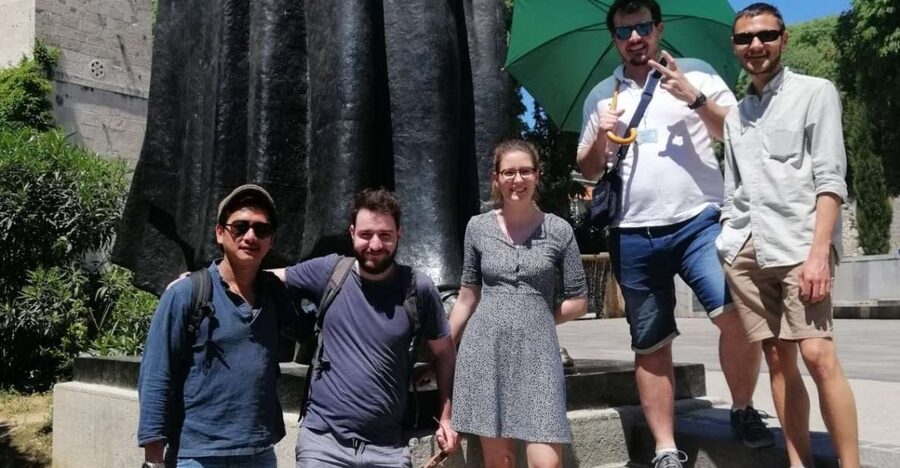
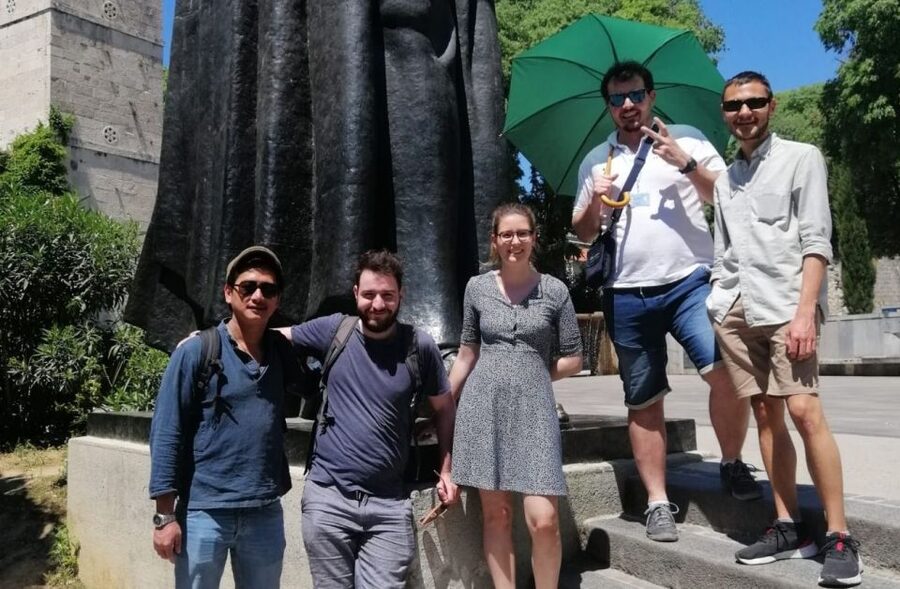
- Clear meeting point at Strossmayer Park near the Gregory of Nin statue
Prefer to walk it? More guided strolls through Split
- Split: Old Town and Diocletian Palace Walking Tour★ 4.9 · 4,727 reviews
- Walking Tour of Split and Diocletian’s Palace★ 5.0 · 2,588 reviews
- Krka Waterfalls tour with Trogir Walking tour and Krka panoramic boat cruise★ 5.0 · 1,659 reviews
- Split & Diocletian’s Palace Walking Tour★ 5.0 · 1,125 reviews
Meeting at Strossmayer Park: the fast start you need
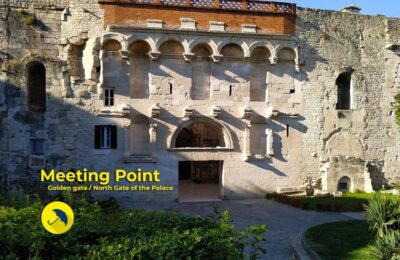
Your tour begins in a very recognizable spot: Strossmayerova Fountain inside Strossmayer Park (Đardin), just above the Golden Gates. When you’re near the Golden Gates, look for the huge statue of Gregory of Nin. The meeting area is in the park just above and next to the fountain.
This matters more than it sounds. If you’ve never been to Split, the old town can feel like a puzzle with missing pieces. Starting at a landmark that everyone knows makes it much easier to show up on time and relax once you meet your guide.
You’ll be walking soon after you gather, so I’d show up a bit early. With the heat and the crowds near the palace, a calm arrival helps your brain stay fresh for the history.
Golden Gates and the Diocletian Palace effect
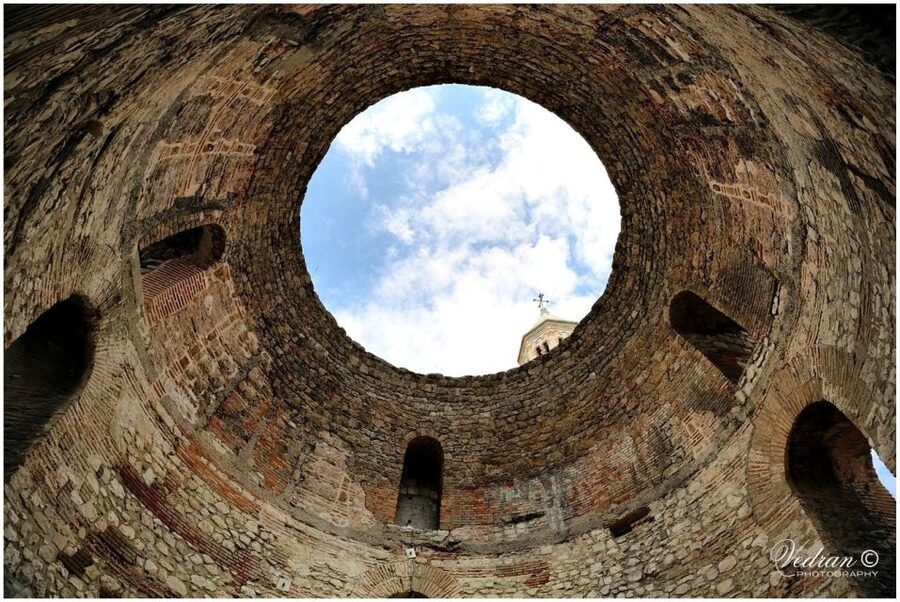
The big story here is the Diocletian Palace, built roughly 1700 years ago. The palace isn’t just ruins on the map. It’s a living structure that shaped how Split developed, and you’ll see why as you move through the inner-city streets around it.
Think of the palace as a city plan that never fully went away. Even when you’re standing in what looks like normal old-town traffic, the layout and surviving walls are pointing back to the Roman decision to build a luxurious retirement complex. That’s the core thrill: you’re walking inside layers.
And since the tour is tied to the broader UNESCO world heritage area, you’re not only looking at one monument. You’re learning what belongs together and why that whole zone matters. For a first visit, it’s a big advantage to understand the logic of the place before you start wandering on your own.
UNESCO highlights you can spot without a decoder ring
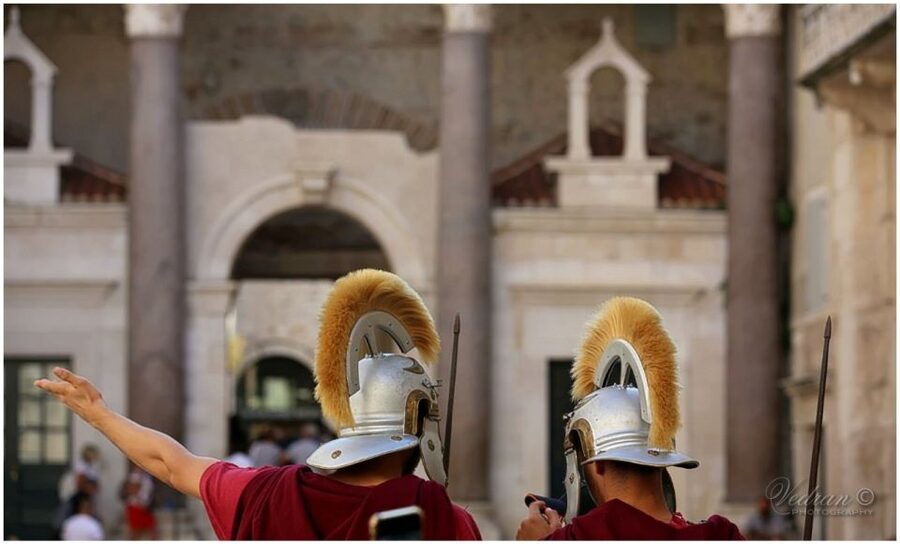
A lot of UNESCO tours turn into a list of dates. This one focuses on what you can actually notice while you’re walking. The guide points out the key elements that make the site special and helps you connect the Roman core to the later city life around it.
In plain terms, this kind of guide-led interpretation helps you stop treating the old town like a photo backdrop. You start seeing it like a result of decisions: who built what, what survived, and how the city adapted.
You’ll also get the kind of context that makes the streets feel less random. Split’s old center is full of passages and tight turns, and when you understand what those areas used to be, it’s easier to navigate and less easy to feel overwhelmed.
Game of Thrones spots: what to look for and why it worked
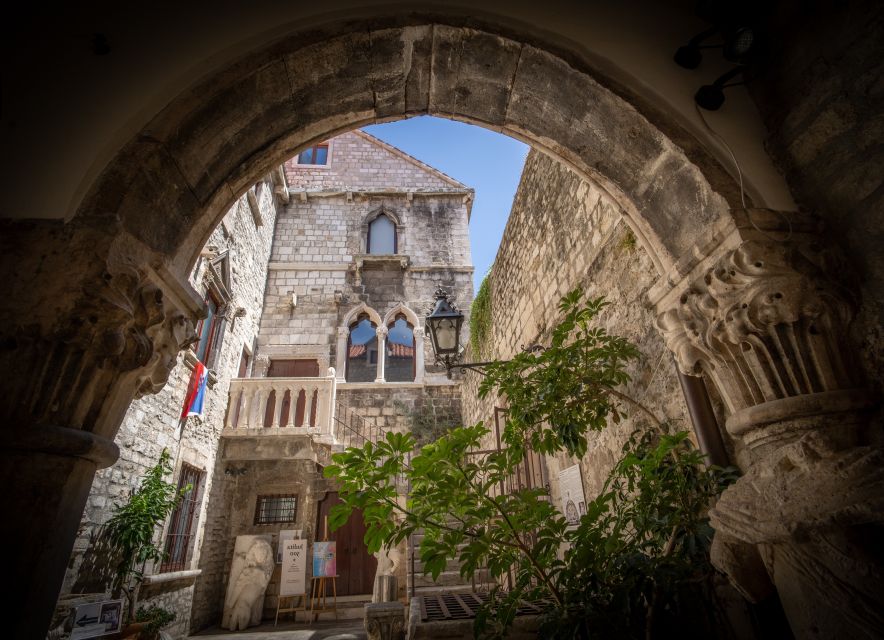
Split became famous to a global audience through Game of Thrones, and this tour adds stops tied to that world. The real value is not just pointing at a filming location. It’s explaining how the real architecture and street patterns made those scenes feel believable.
If you’re a fan, you’ll enjoy matching the screen images to what’s still here. If you’re not, you’ll still like it because it gives you a simple way to remember what you learned about the old spaces. Pop culture can act like a mental bookmark.
A practical note: these stops can be busy. I like that the guide keeps the flow moving so you aren’t stuck in one place for too long. You get to see what you came for, then move on while the group is still together.
A few more Split boat days and tours worth a second look



The guide makes culture click: stories, humor, and real tips
What sets this tour apart is the guide experience. Many walkers highlight Mijo by name, and the consistent theme is how he tells the history. The stories come with humor, and he adjusts his pace and explanations based on who’s on the walk.
I also like the interaction style. This doesn’t feel like a lecture you survive. It’s a conversation where questions make sense, and you get answers that help you see Split differently after the tour.
There are also the “you’ll use this later” tips. People mention that after the walk, the guide sends a follow-up list of recommendations. That includes places to eat and money-saving ideas, and in some cases even discount codes. That’s a real value add for a city where menus and pricing can vary a lot block to block.
And small touches matter. One review notes Mijo provided his umbrella when rain lasted only a few minutes, plus he helped take photos at multiple points. Those details don’t change the history content, but they do change how cared for you feel during a short trip.
Walk speed, group size, and timing: how to get the best version
This is a 90-minute walking tour. That duration is ideal if you want a guided foundation without burning half a day. It also explains why it works well early in your stay: you’ll finish with a clearer mental map.
The experience is designed for a smaller group setting. Reviews mention groups of around 10 people or fewer, and that’s a sweet spot. You get enough people to share energy, but not so many that you can’t ask questions or get attention when you need it.
If you’re booking because you care about crowds, I’d consider going early when options exist. One review calls out the benefit of an earlier departure for a calmer pace and fewer people around key spots. Even if you can’t control the exact time, the guide’s awareness of shade and weather helps you stay comfortable.
Bring simple essentials:
- Water
- Sunglasses
- Hat
- Comfortable clothes and shoes
No fancy gear required. You just want to be able to keep walking without your body slowing down your brain.
Is $17 a good deal for Split’s old town?
At $17 per person for a licensed professional guide and a 90-minute walk, the value is strong if your goal is orientation plus culture. You’re paying for explanation, not just movement from point A to point B.
Here’s the practical math I like to use: you’re getting a guided walkthrough of the UNESCO zone area and the Diocletian Palace core, plus contextual stops connected to Game of Thrones. Then you also receive on-the-ground guidance like recommendations and tips, which can save you time and money when you’re deciding where to eat and what to do next.
One more value angle: the tour includes photo help and a follow-up recommendation message in many experiences. That’s not a guaranteed “museum souvenir,” it’s usable information for your next day in Split.
The one trade-off is what you don’t get. There’s no hotel pickup/drop-off, and food and drinks aren’t included. So plan to meet at the fountain, walk, then eat on your own afterward.
What’s included (and what you’ll need to plan yourself)
Included in this tour:
- A licensed professional guide in English
- Exploration of UNESCO world heritage highlights
- Top highlights in the inner city
- Meeting culture and context from a local guide perspective
- Recommendations and tips during and after the walk
- Guide energy and storytelling
Not included:
- Hotel pickup and drop-off
- Food and drinks
That’s a good setup for most people. You aren’t buying a bundled meal you won’t finish. You’re buying focused time and then using the guide’s advice to pick your own favorite meal. Just make sure you plan a lunch or snack option after the tour, especially if you’re on a tight schedule.
Practical logistics that actually matter on this walk
The meeting point is your anchor: Strossmayerova Fountain in Strossmayer Park, above the Golden Gates near the Gregory of Nin statue. If you can find Golden Gates, you can find the fountain.
Because it’s a walking tour, wear shoes you trust. Even in good weather, the old-town surfaces can be uneven, and you’ll cover enough ground that uncomfortable footwear turns into a distraction fast.
Also, keep your expectations aligned with the time. Ninety minutes means you’ll see major highlights and learn the bigger story, but you won’t cover every corner. The goal is to leave you ready to roam with confidence.
Finally, bring patience for the real-world old town. One review mentions passersby sometimes try to follow along, and the guide can politely redirect them. That’s not a reason to skip the tour. It’s just what happens when the streets are public.
Who should book this tour in Split?
I think this is a smart choice if you want:
- A first-day or second-day orientation in Split’s old center
- A clear explanation of Diocletian Palace and why it shaped the city
- Game of Thrones context tied to real architecture
- A short, guided walk that ends with practical local recommendations
It’s also great for people who like talking. The small-group format makes it easier to ask questions and get direct answers, especially if you’re trying to understand modern Croatian culture alongside ancient ruins.
If you’re the type who hates walking, you may feel limited by the 90-minute route. If you’re already deeply confident in Roman history and don’t care about local culture or pop-culture filming sites, you might prefer a longer specialized tour. But if you want a balanced, efficient introduction, this fits well.
Should you book Split Local History and Culture (90-Minute Walking Tour)?
Yes—if you’re aiming for value, clarity, and a guide who helps you see the city instead of just looking at it.
Book it if:
- You want 1700-year-old Roman context fast
- You care about UNESCO meaning more than just labels
- You’d like Game of Thrones stops explained in real-place terms
- You want usable tips for where to eat and what to do next
Skip it or consider a different option if:
- You can’t handle walking or hot weather
- You expect a deep, museum-style breakdown of every single monument
- You’d rather do a self-guided route without guide interaction
If you’re still deciding, I’d treat this as your orientation anchor. Do it early, then use what you learn to explore the maze of Split with less guesswork and more confidence.
More Tours in Split
- From Split: Krka Waterfalls, Food & Wine Tasting Tour
★ 5.0 · 9,326 reviews - Blue cave, Mamma Mia and Hvar, 5 islands speedboat tour
★ 5.0 · 7,150 reviews - From Split: Krka Waterfalls, Food & Wine Tasting Tour
★ 4.9 · 6,598 reviews - Split/Trogir: Blue Cave, Mamma Mia, Hvar and 5 Island Tour
★ 4.6 · 6,320 reviews - Blue Cave and Hvar Tour – 5 Islands Tour from Split and Trogir
★ 5.0 · 4,815 reviews
More Tour Reviews in Split
- Split: Krka Waterfalls Trip with Boat Cruise and Swimming
★ 4.8 · 10,519 reviews - From Split: Krka Waterfalls, Food & Wine Tasting Tour
★ 5.0 · 9,326 reviews - Blue cave, Mamma Mia and Hvar, 5 islands speedboat tour
★ 5.0 · 7,150 reviews - From Split: Krka Waterfalls, Food & Wine Tasting Tour
★ 4.9 · 6,598 reviews - Split/Trogir: Blue Cave, Mamma Mia, Hvar and 5 Island Tour
★ 4.6 · 6,320 reviews
Walk Split a Different Way
- Split: Old Town and Diocletian Palace Walking Tour
★ 4.9 · 4,727 reviews - Walking Tour of Split and Diocletian’s Palace
★ 5.0 · 2,588 reviews - Krka Waterfalls tour with Trogir Walking tour and Krka panoramic boat cruise
★ 5.0 · 1,659 reviews - Split & Diocletian’s Palace Walking Tour
★ 5.0 · 1,125 reviews - Walking Tour of Split with a ‘Magister’ of History
★ 5.0 · 1,122 reviews
Still deciding? More Split trips we have been out and reviewed


Split Old Town Walking Tours, compared.
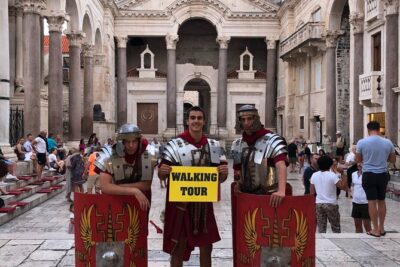
 ★ 4.9Old Town and Diocletian Palace Walking TourFrom $174,727 reviews
 ★ 5.0Walking Tour of Split and Diocletian’s PalaceFrom $482,588 reviews
 ★ 5.0Krka Waterfalls tour with Trogir Walking tour and Krka panoramic boat cruiseFrom $481,659 reviews
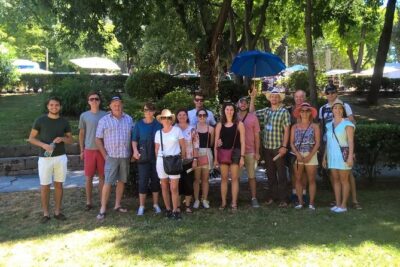 ★ 5.0Split & Diocletian’s Palace Walking TourFrom $211,125 reviews
 ★ 5.0Walking Tour of Split with a ‘Magister’ of HistoryFrom $341,122 reviews
 ★ 5.0Split Walking Tour with Professor of HistoryFrom $24926 reviews
 ★ 4.7Diocletian Palace & Old Town Guided Walking TourFrom $17882 reviews
 ★ 4.7Krka Waterfalls Cruise & Trogir Walking TourFrom $47681 reviews
Browse the lists this tour appears in