
Reviewed · SPLIT OLD TOWN WALKING TOURS
Split: History and Heritage Walking Tour
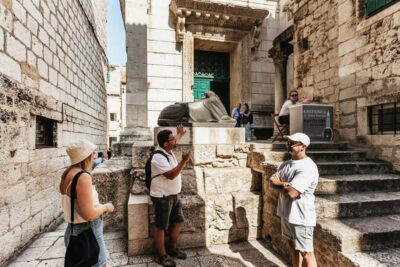
Split’s ancient streets read like a living textbook. This History and Heritage Walking Tour takes you through the UNESCO-protected Diocletian’s Palace and the surrounding old town, where Roman walls meet medieval churches and Gothic flourishes in one compact area.
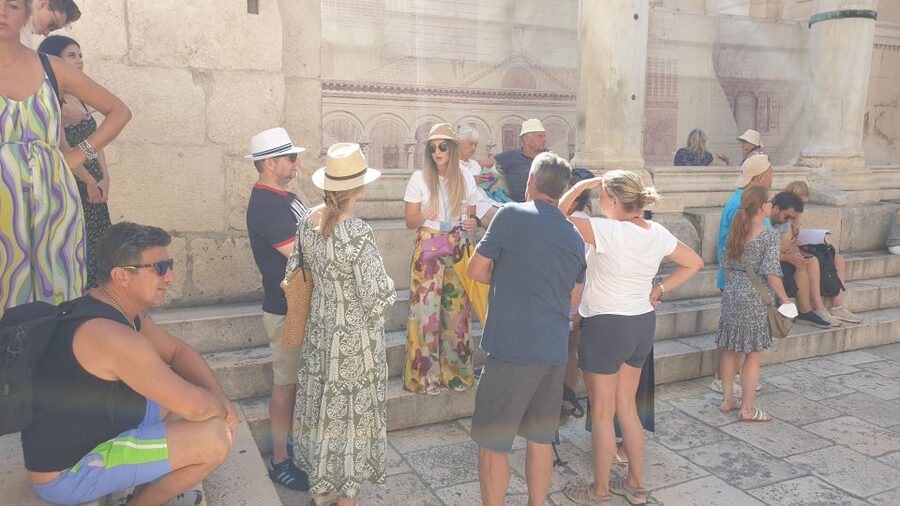
I love the storytelling approach. Guides like Antonella, and sometimes Nikolas, focus on the human drama behind the stones—yes, including how Diocletian went from nobody to one of the most powerful men in the world—and they keep it clear even if history isn’t your hobby. I also like the bonus angle for pop-culture fans: you’ll get Game of Thrones locations as extra context while still keeping the attention on real architecture and city life.
One drawback to consider: even though it’s sold as small-group, it can feel crowded at times (a review mentioned nearly 30 people), so you may lose a little time waiting in busy stretches of the old town.
In This Review
- Key points that make this tour worth your time
- Why Diocletian’s Palace is the real heart of Split
- Starting at Peristil Square under the Roman arch
- Entering the UNESCO Roman palace zone
- The Romanesque churches: faith, function, and reuse
- Medieval fortifications and the logic of defense
- Gothic palaces: how the city kept dressing itself up
- Game of Thrones stops as bonus context
- How the guides keep the story clear (and the group moving)
- Practical value: what $18 gives you, and what to add yourself
- Who this tour is best for
- Should you book this Split History and Heritage Walking Tour?
- FAQ
- Where does the tour meet?
- What should I bring for the walking tour?
- Is the tour ticket price $18 and does it include admissions?
- Does the tour run in bad weather?
- What languages are available?
- Is it suitable for everyone?
Key points that make this tour worth your time
- A 1700-year-old Roman palace you can walk through, not just look at
- UNESCO Roman architecture plus medieval and Gothic layers in a tight loop
- Story-led guiding that helps non–history folks stay engaged
- Game of Thrones bonus stops for fans, without replacing the history
- Rain or shine touring, so bring the right clothes and shoes
- Real names, real energy from guides like Antonella, Nikolas, and Doris in different languages
Prefer to walk it? More guided strolls through Split
- Split: Old Town and Diocletian Palace Walking Tour★ 4.9 · 4,727 reviews
- Walking Tour of Split and Diocletian’s Palace★ 5.0 · 2,588 reviews
- Krka Waterfalls tour with Trogir Walking tour and Krka panoramic boat cruise★ 5.0 · 1,659 reviews
- Split & Diocletian’s Palace Walking Tour★ 5.0 · 1,125 reviews
Why Diocletian’s Palace is the real heart of Split
Split’s big trick is this: you don’t travel to ruins on the edge of town. You walk straight into them. The ancient core is built around Diocletian’s Palace, a Roman complex that’s been shaping daily life for about 1700 years. That means you see Roman building skills still doing their job—thick stone, smart layout, and space that later generations built into instead of wiping away.
On this tour, you’re not stuck with generic captions. You get the “so what” behind the palace: why it mattered, what life may have looked like inside its walls, and what remains visible today. The standout theme is transformation—history as a cause-and-effect chain. A guide will walk you through how Diocletian rose to the top, and then how the palace world changed as centuries passed.
And because it’s a walking tour centered on Split’s tight historic core, you experience the layers in the order your eyes naturally travel. Roman structure first, then the medieval additions, then the more Gothic-feeling facades and palaces. It’s a smart way to understand the city without jumping around.
Starting at Peristil Square under the Roman arch
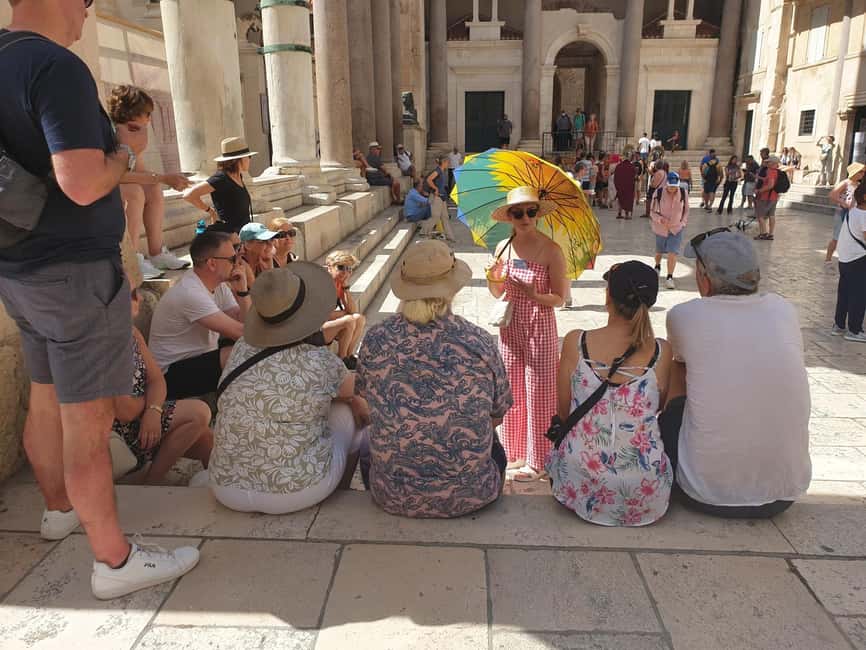
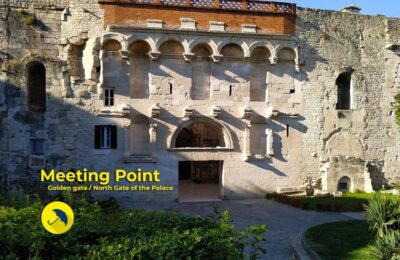
The meeting point is Peristil Square, on the north side of the square, under the old Roman arch. It’s next to the Tourist Information Office. Look for a yellow T-shirt or a yellow umbrella—easy to spot even if you’re a little late.
This start matters more than it sounds. Peristil Square works like an orientation hub: you quickly understand how the palace’s layout organizes the surrounding old town. If you’ve only got a day or two in Split, this kind of “first map in your head” is huge. It helps you explore later on your own and not feel like you’re wandering blind.
Also, the tour runs no matter the weather. One review even notes Doris helped during rain by providing an umbrella. So plan for wet pavement, sun, or both. Wear clothes you can move in.
Entering the UNESCO Roman palace zone
From the first palace-focused stretch, the tour aims at what most self-guided sightseeing misses: the experience of reading a space. You’ll see and learn about the ancient palace as a complete complex—how it used to function and what you can still recognize now.
Expect explanations that connect architecture to power and politics. Diocletian wasn’t just a random emperor who built cool walls. The guide frames him as a major figure in Roman history, including how he rose from obscurity to the most powerful man in the world. That backstory gives the stone meaning. Suddenly the palace isn’t just impressive. It’s purposeful.
And since this is a guided walking tour, you’ll get the small details that are easy to overlook when you’re just taking photos. The pace is designed to keep you moving, but without rushing. Multiple reviews describe a sense of flow and a pace that feels right, which is exactly what you want when you’re trying to absorb a big place in a small time window.
The Romanesque churches: faith, function, and reuse
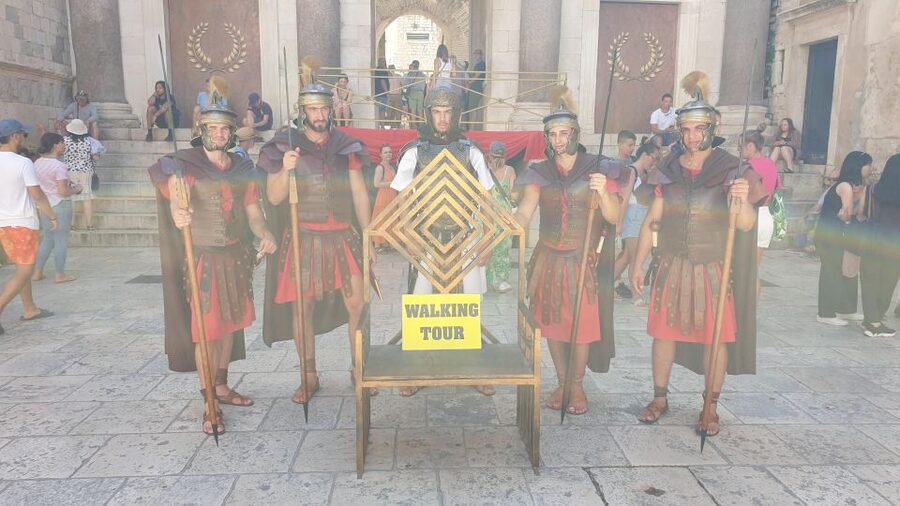
After the palace core, you shift into religious architecture—specifically Romanesque churches in the surrounding historic fabric. Romanesque style often comes through in sturdy forms, heavy-looking proportions, and a feeling of strength in the way buildings were constructed. This is where you start noticing the medieval layer: centuries of people living, worshiping, repairing, and adapting.
What I like about this part of the tour is the context. It’s not just “this church is old.” The guide ties what you’re seeing back to the bigger story of Split’s evolution. You learn how the city’s identity changed without the past disappearing.
This is also where the tour becomes useful for regular travelers, not only architecture nerds. When a guide explains what to look for, you start spotting patterns on your own—shape, materials, how buildings sit next to each other, and how older spaces influence later ones.
A few more Split boat days and tours worth a second look




Medieval fortifications and the logic of defense
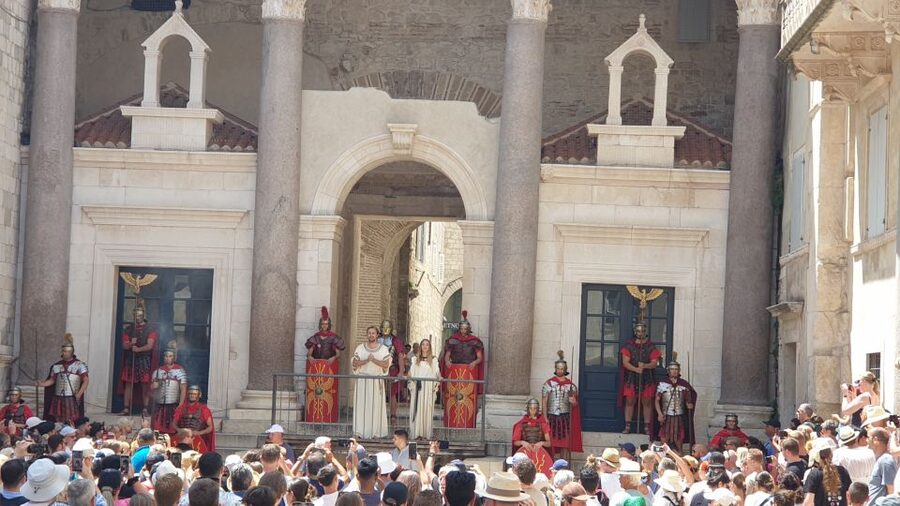
Split’s palace and old town don’t read like a museum diorama. They read like a settlement that had to survive. That’s why the tour includes medieval fortifications. Even when you don’t fully grasp every historical term, you can usually sense defense in the layout: controlled entrances, walls doing real work, and tight spatial planning.
Here the guide’s job is to translate big concepts into street-level understanding. You’ll learn how medieval life built on older Roman foundations. In practical terms, this makes the walk more engaging because it gives you a reason for the maze. Streets and corners stop feeling random.
If you’re the kind of person who likes to understand cities beyond postcard views, this section is a strong payoff. It turns the “why is it like this” question into a simple story you can remember later.
Gothic palaces: how the city kept dressing itself up

Next come the Gothic palaces, a stylistic shift that adds elegance and new visual cues to the walk. Gothic architecture often feels more vertical and more “decorated,” and in Split you can see how later eras wanted the city to look alive, not frozen.
This is where your eyes learn to switch gears. Roman buildings emphasize mass and proportion. Medieval elements add layered meaning. Gothic details—signs of wealth and taste—help you understand who lived where and what kind of city Split became after the Roman era.
The best part is how the tour keeps the chronology friendly. Instead of turning it into a timeline you can’t remember, the guide ties Gothic changes back to the city’s ongoing role as a strategic and cultural hub. The walk feels like a conversation between centuries.
Game of Thrones stops as bonus context
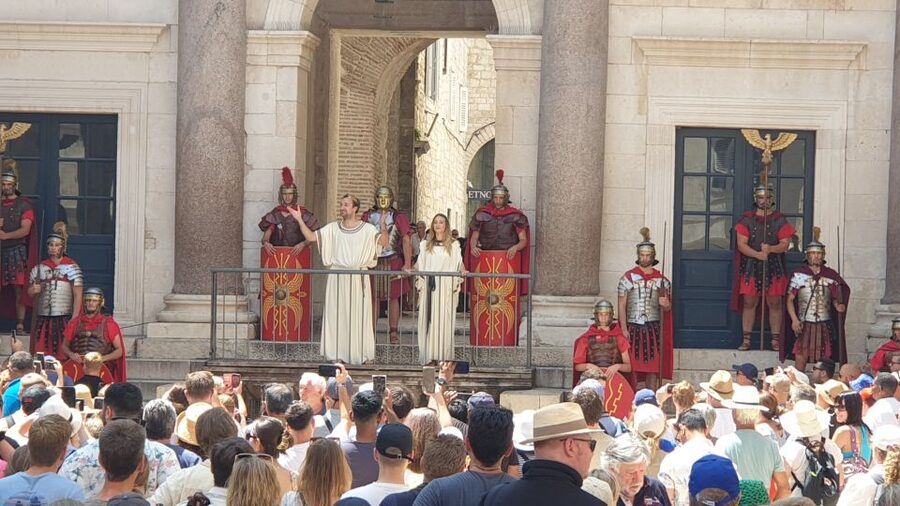
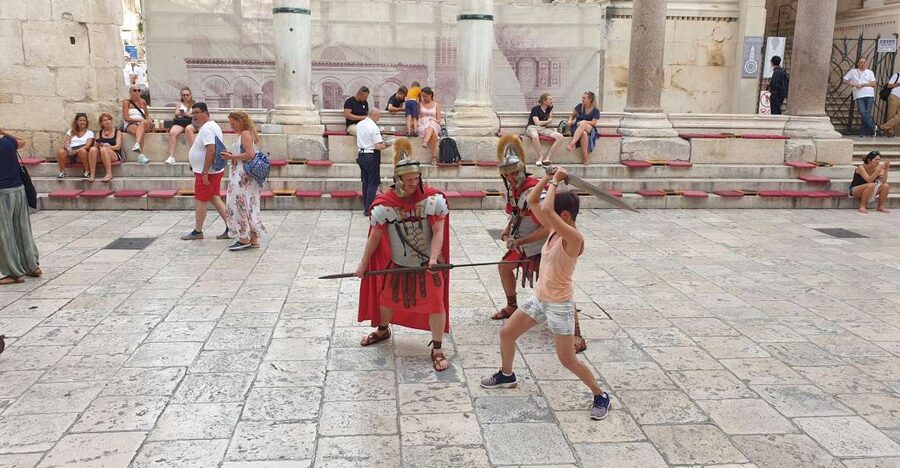
If you’re a Game of Thrones fan, you’ll appreciate the bonus layer. The tour includes Game of Thrones locations as extra information. The goal isn’t to turn history into trivia. It’s to give you a shortcut to places you’ll recognize while you’re still learning what’s historically real and important.
Even if you don’t care about the show, this part can still help you enjoy the walk because it breaks up the purely academic tone. A good guide can keep it fun without losing accuracy.
How the guides keep the story clear (and the group moving)
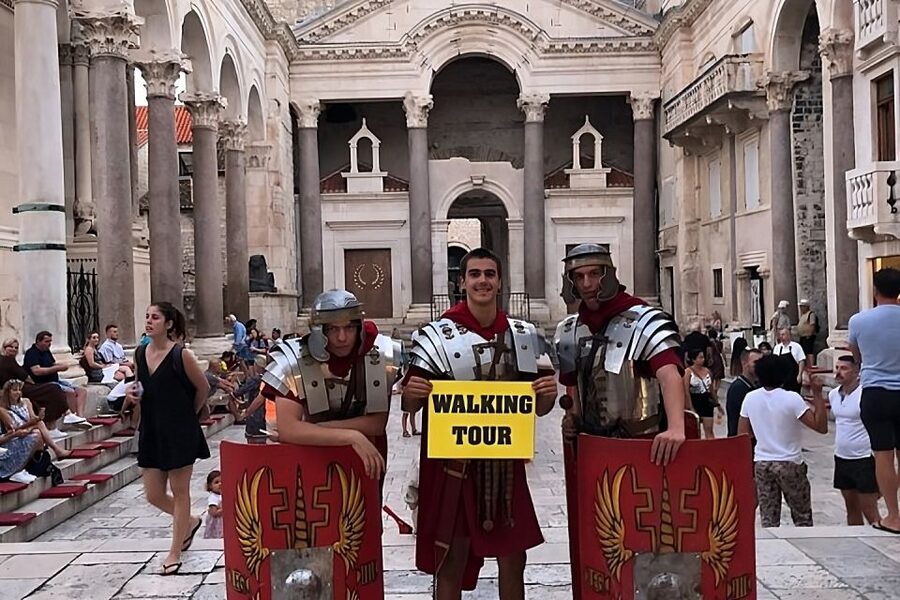
This tour’s reputation is built on guide quality, and it shows. Many reviews highlight guides who are enthusiastic, entertaining, and able to explain complex history in an easy way. You’ll also notice that guides seem to work on pacing and sound—one review specifically praised attention to whether people could hear.
Names you may see include Antonella (frequently mentioned), Nikolas, and Doris. Across those different guides, the shared style is storytelling. One review calls out a true story-teller vibe. Another credits the guide with bringing history to life and keeping even a non-history buff entertained.
That matters because Split’s old town can overwhelm you fast. When a guide gives you the right “thread,” the palace stops being a jumble of stones and starts becoming a story you can follow.
One practical caveat: if the group size runs big (again, nearly 30 was mentioned), you might experience small slowdowns during crowd-heavy stretches. Plan to be patient. The payoff is worth it, but the old town can be busy.
Practical value: what $18 gives you, and what to add yourself
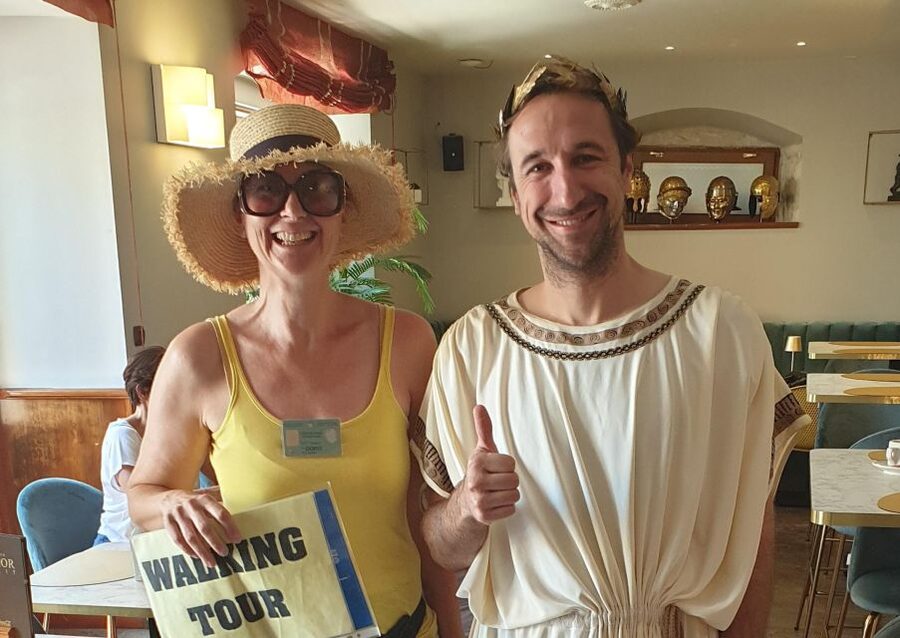
At $18 per person, this is strong value for a guided walk focused on some of Split’s most important landmarks. You’re paying for two things: a guide and a sequence. Without that, the palace and old town can feel like “a lot of old stuff.” With a guide, the walk becomes an organized education.
What’s included is straightforward: a small-group walking tour and a tour guide. What’s not included: admission tickets and food and drinks, plus no hotel pickup or drop-off.
For you, that means two simple planning moves:
- Wear comfortable shoes and bring a hat, since the tour runs in rain or sun.
- Expect to handle your own meals and any extra tickets you choose later.
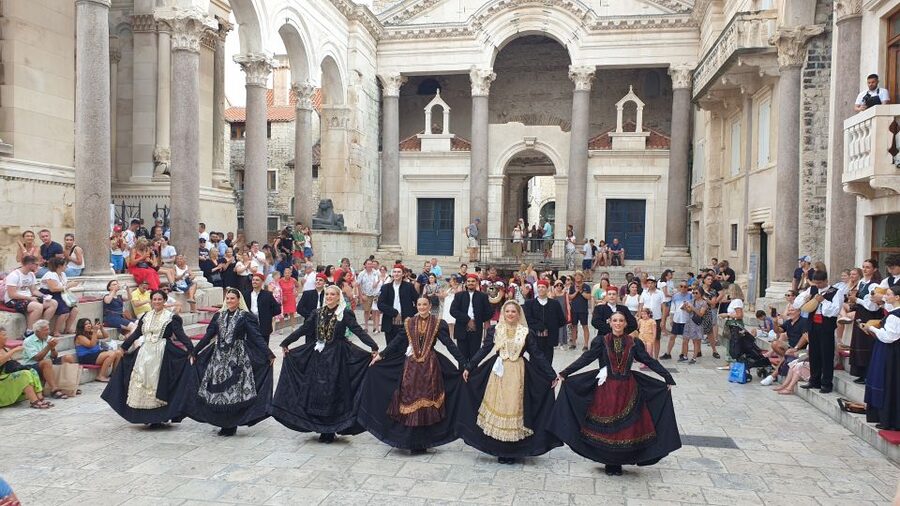
Also note: one review mentions traditional singing along the way. That’s not something you should build your schedule around, but it’s a nice reminder that Split’s culture can pop up during walks when guides know how to pace the moment.
Who this tour is best for
This tour is a good fit if you want your first visit to Split to feel grounded and guided. It’s also a great choice if you’re short on time—several reviews recommend doing it early because it gives you a base for exploring the rest of the city.
It’s appropriate for all ages. That said, it’s not suitable for everyone. The tour data lists it as not suitable for people with high blood pressure and not suitable for hearing-impaired people. If either applies to you, you’ll want to think about whether a walking, information-heavy tour in crowds will work.
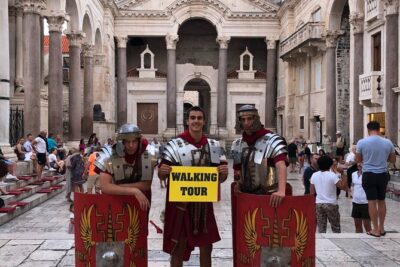
It’s also not for costume wearers: wearing a costume isn’t allowed.
Should you book this Split History and Heritage Walking Tour?
Yes, if you want to understand Split fast and you like your history told as a story, not a lecture. The combination of Diocletian’s Palace, Romanesque churches, medieval fortifications, and Gothic palaces in a single walk is exactly the kind of “layers of one city” experience that pays off later when you wander on your own.
Book it especially if:
- you’re visiting for the first time and want orientation in the old town
- you want a guide who can keep the energy up and make the details land
- you like architecture, but also like context and human drama
Skip it or reconsider if:
- you’re very sensitive to crowds (the small-group can still feel large at peak times)
- you need accommodations related to hearing ability or health limits noted by the tour
If you do book, show up at Peristil Square, wear comfy shoes, and come ready to watch the city explain itself—stone by stone, century by century.
FAQ
Where does the tour meet?
The tour starts at Peristil Square, under the old Roman arch on the north part of the square next to the Tourist Information Office. Look for a yellow T-shirt or a yellow umbrella.
What should I bring for the walking tour?
Bring comfortable shoes, a hat, and comfortable clothes. The tour runs no matter the weather, so plan for rain or sun.
Is the tour ticket price $18 and does it include admissions?
The price is $18 per person. Admission tickets are not included, and food and drinks are also not included.
Does the tour run in bad weather?
Yes. The tour takes place no matter the weather (rain, sun, etc.).
What languages are available?
The tour languages listed are Russian, English, German, and French.
Is it suitable for everyone?
It’s appropriate for all ages, but it is listed as not suitable for people with high blood pressure and not suitable for hearing-impaired people. Costumes are also not allowed.
More Tours in Split
- From Split: Krka Waterfalls, Food & Wine Tasting Tour
★ 5.0 · 9,326 reviews - Blue cave, Mamma Mia and Hvar, 5 islands speedboat tour
★ 5.0 · 7,150 reviews - From Split: Krka Waterfalls, Food & Wine Tasting Tour
★ 4.9 · 6,598 reviews - Split/Trogir: Blue Cave, Mamma Mia, Hvar and 5 Island Tour
★ 4.6 · 6,320 reviews - Blue Cave and Hvar Tour – 5 Islands Tour from Split and Trogir
★ 5.0 · 4,815 reviews
More Tour Reviews in Split
- Split: Krka Waterfalls Trip with Boat Cruise and Swimming
★ 4.8 · 10,519 reviews - From Split: Krka Waterfalls, Food & Wine Tasting Tour
★ 5.0 · 9,326 reviews - Blue cave, Mamma Mia and Hvar, 5 islands speedboat tour
★ 5.0 · 7,150 reviews - From Split: Krka Waterfalls, Food & Wine Tasting Tour
★ 4.9 · 6,598 reviews - Split/Trogir: Blue Cave, Mamma Mia, Hvar and 5 Island Tour
★ 4.6 · 6,320 reviews
Walk Split a Different Way
- Split: Old Town and Diocletian Palace Walking Tour
★ 4.9 · 4,727 reviews - Walking Tour of Split and Diocletian’s Palace
★ 5.0 · 2,588 reviews - Krka Waterfalls tour with Trogir Walking tour and Krka panoramic boat cruise
★ 5.0 · 1,659 reviews - Split & Diocletian’s Palace Walking Tour
★ 5.0 · 1,125 reviews - Walking Tour of Split with a ‘Magister’ of History
★ 5.0 · 1,122 reviews
Still deciding? More Split trips we have been out and reviewed
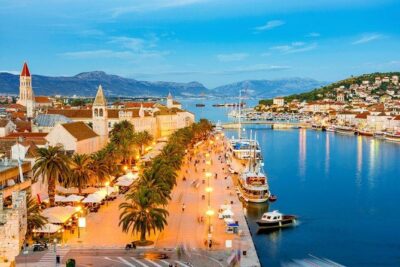



Split Old Town Walking Tours, compared.
 ★ 4.9Old Town and Diocletian Palace Walking TourFrom $174,727 reviews
 ★ 5.0Walking Tour of Split and Diocletian’s PalaceFrom $482,588 reviews
 ★ 5.0Krka Waterfalls tour with Trogir Walking tour and Krka panoramic boat cruiseFrom $481,659 reviews
 ★ 5.0Split & Diocletian’s Palace Walking TourFrom $211,125 reviews
 ★ 5.0Walking Tour of Split with a ‘Magister’ of HistoryFrom $341,122 reviews
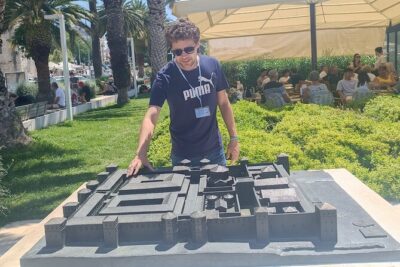 ★ 5.0Split Walking Tour with Professor of HistoryFrom $24926 reviews
 ★ 4.7Diocletian Palace & Old Town Guided Walking TourFrom $17882 reviews
 ★ 4.7Krka Waterfalls Cruise & Trogir Walking TourFrom $47681 reviews
Browse the lists this tour appears in