
Reviewed · WALKING TOURS
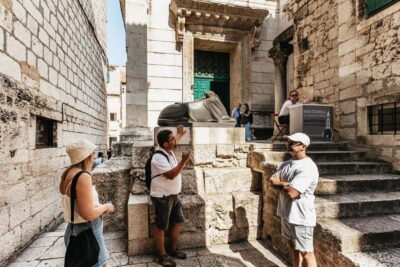
Walk through Split with an archeologist
Split’s Roman ruins make quick work of your confusion. This walk is a smart way to learn what you’re looking at, without wandering in circles. I love that it’s guided by an archaeologist who can explain the palace layout as you walk, and I also love the small group size (max 10), which keeps the pace friendly and questions easy. One thing to consider: two key palace areas have admission tickets not included, so you’ll want to budget a bit beyond the tour price.
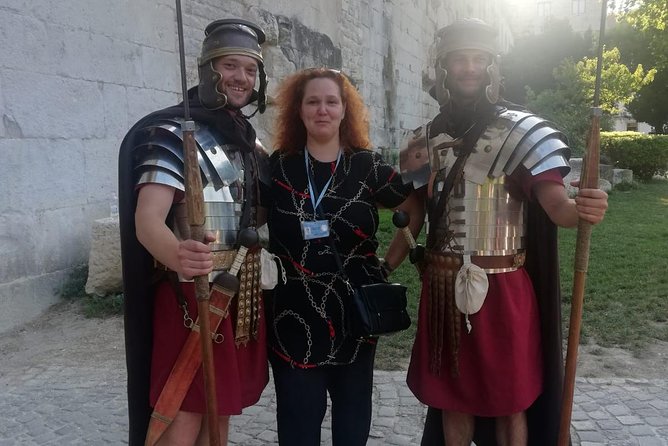
The route is built for short stops and clear sight lines: you’ll get oriented, hear the story, then immediately see the next layer of Split. The guide leading the experience is Antonjeta Vulić Bilobrk, and from the way she’s described, she gives lots of detail while keeping you moving.
If you like history that you can actually point to, this works well. It’s also a good fit when you want a practical plan for a first visit—though if you’re the type who wants long museum-style time, you may prefer a longer, more free-form visit to the palace areas.
In This Review
- Key highlights worth aiming for
- Why this archaeology walk works so well in Split
- Price and value for a 2-hour, max-10 tour
- Meeting at Gregory of Nin and how the timing feels
- Stop 1: Peristyle of Diocletian’s Palace (what to look for)
- Stop 2: Vestibulum and the route toward the Emperors quarters
- Stop 3: Diocletian Palace Substructures (the best preserved part)
- Stop 4: Narodni Trg for a quick medieval reset
- What kind of guide Antonjeta is likely to be
- Going out of season: what you should expect
- Small-group pacing: why it’s worth it here
- Who this walk is best for (and who might want something else)
- Practical tips to get the most from the walk
- Should you book this walking tour with an archaeologist?
- FAQ
- How long is the walk through Split with an archaeologist?
- What language is the tour offered in?
- How many people are in the group?
- Where do we meet for the tour?
- Is admission included for all stops?
- Do I need a paper ticket?
- Is it easy to reach the meeting point with public transportation?
- What is the cancellation policy?
Key highlights worth aiming for
- Max 10 people means personal attention and fewer awkward pauses.
- Diocletian Palace orientation helps you read Split’s streets like a map.
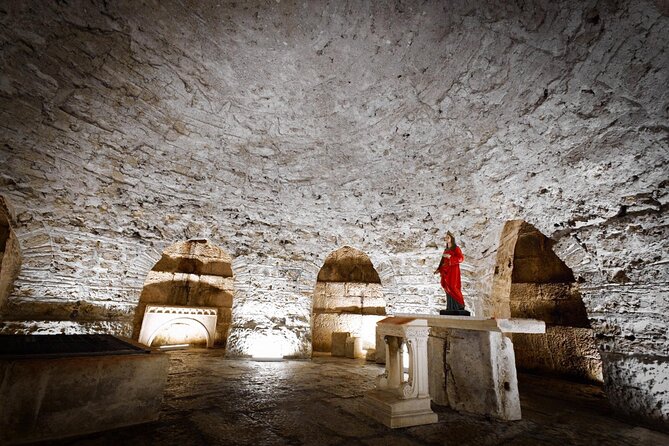
- Roman substructures offer some of the most memorable structures, with no ticket required.
- Narodni Trg adds a quick medieval break without derailing your momentum.
- English mobile ticket makes it easy to check in.
- Gregory of Nin Statue meeting point is simple to find and easy to return to.
A few more Split boat days and tours worth a second look
- Split: Old Town and Diocletian Palace Walking Tour★ 4.9 · 4,727 reviews
- Walking Tour of Split and Diocletian’s Palace★ 5.0 · 2,588 reviews
- Krka Waterfalls tour with Trogir Walking tour and Krka panoramic boat cruise★ 5.0 · 1,659 reviews
- Split & Diocletian’s Palace Walking Tour★ 5.0 · 1,125 reviews
Why this archaeology walk works so well in Split
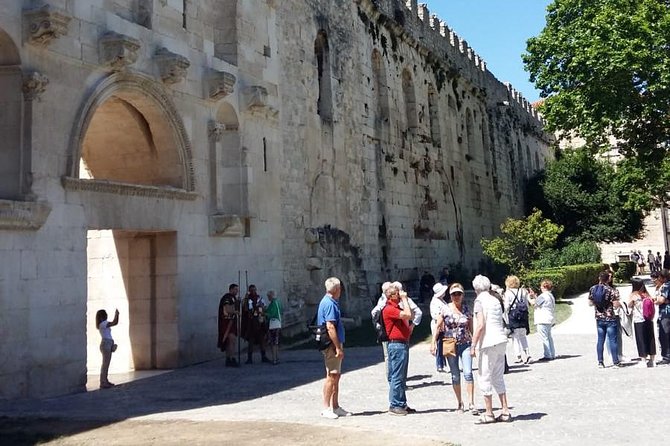
Split can feel like a puzzle. One street turns into another, walls look Roman until you notice the medieval layers, and before you know it you’re standing in front of a building you don’t fully understand. This tour is designed to solve that problem fast.
I like that the focus stays on the parts of Diocletian’s Palace that help you understand the whole complex. You’re not just collecting photos. You’re learning how the palace space was organized—where the public areas were, where the important quarters sit, and what the substructures underneath were doing for daily life. That kind of context makes every stop after this tour easier to enjoy on your own.
It’s also a nice deal in pacing terms. In about two hours you get a tight, logical circuit with short explanations and quick transitions. That’s ideal when you have limited time, or when Split is one of multiple stops on your Croatia trip.
Price and value for a 2-hour, max-10 tour
At $23.67 per person for about 2 hours, you’re paying for a guide’s interpretation, not for a giant museum ticket. The value is strongest if you want the historical meaning behind what you’re seeing, especially at Diocletian’s Palace, where the structures can be impressive but confusing.
Here’s the practical math you should keep in mind: two palace stops are listed with admission tickets not included, while the substructures stop is free, and Narodni Trg is free. So, your final spend will depend on whether you choose to visit those ticketed palace areas as part of the tour.
Also, max 10 matters. In a bigger group, archaeology explanations can turn into a blur. In a small group, you can actually hear the details and orient yourself while you’re standing in the right place.
Meeting at Gregory of Nin and how the timing feels
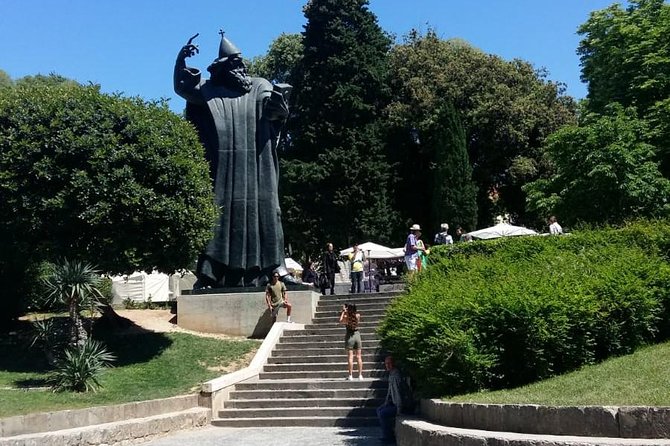
You’ll meet at the Gregory of Nin Statue on Ul. kralja Tomislava 12. That’s helpful because it’s a landmark you can plug into your day. The tour ends back at the meeting point, which means you don’t have to plan a complicated end-of-walk transportation or navigation plan.
The itinerary is built in compact pieces—each stop is about 10 minutes. That might sound short, but it fits the goal here: get the key orientation points, learn the big ideas, then move on so you don’t waste time trying to figure out the palace layout on your own.
English is offered, and the tour uses a mobile ticket, so you’re not juggling paper confirmations. Service animals are allowed, and the tour is described as suitable for most people, with it being near public transportation.
Stop 1: Peristyle of Diocletian’s Palace (what to look for)
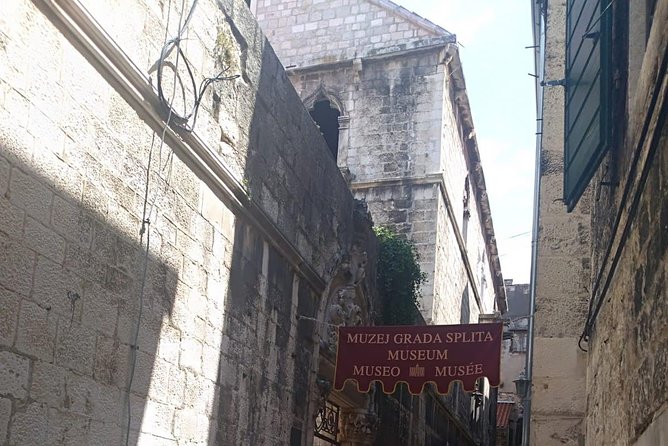
The walk starts in the Peristyle of Diocletian’s Palace. This is one of the spaces where you can feel the palace’s “big public” role. With a guide, the Peristyle isn’t just a pretty courtyard—it becomes a clue about movement, ceremony, and how power was displayed in physical space.
Why this stop matters: the Peristyle gives you a baseline. Once you understand where this fits in the palace, the rest of the complex becomes easier to read as a system, not random stone corners.
One drawback to plan around: the Peristyle stop is listed as admission ticket not included, so you should be ready to pay any required entry on the day (or at least check in advance what’s needed for the specific areas you’ll enter).


Stop 2: Vestibulum and the route toward the Emperors quarters
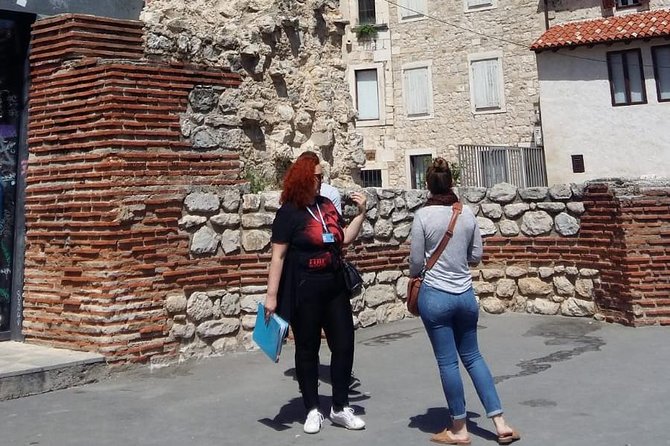
Next up is the Vestibulum of Diocletian’s Palace, described as the entrance route toward the Emperors Quarters. This is where the tone of the palace shifts. Compared with open central areas, vestibules and transitional spaces help you understand how people moved from public to more restricted zones.
I like this step because it teaches you to notice the “in-between” architecture. When guides explain transitions—entry points, approach spaces, and what you’d likely see next—it turns your brain from tourist mode into interpretation mode. Suddenly you’re not just looking at ruins; you’re tracing human routes through time.
As with the first palace stop, the Vestibulum area is admission ticket not included. If you’re trying to keep costs tight, this is the part of the tour to think about most. If you do pay, you’ll likely feel the payoff because it connects the dots between where people gathered and where they didn’t.
Stop 3: Diocletian Palace Substructures (the best preserved part)
Then you get to one of the tour’s most practical and satisfying moments: the Diocletian Palace Substructures. This is described as one of the best preserved Roman substructures that carried the city of Split.
This stop is valuable for two reasons. First, it’s a physical “understanding stop.” Roman substructures are where you start picturing how buildings were supported and how the city worked beyond the visible courtyard level. Second, it’s free. That makes it one of the best payoff points on the route: you get a major visual experience without stacking extra ticket costs.
If you care about the nuts-and-bolts side of ancient engineering, this is likely the moment you’ll remember. Even without going deep into technical details, you’ll come away with clearer mental images of how the palace functioned as infrastructure, not just a residence.
Stop 4: Narodni Trg for a quick medieval reset

After the Roman-focused stops, the tour shifts to Narodni Trg, a lovely medieval square. This is a smart pacing change. After walking through palace elements, you need a different kind of scene—something open where the architectural layers are easier to compare.
I like that the route doesn’t drag. Narodni Trg gives you a calm, readable break point so your brain can absorb the story you just heard and still enjoy the atmosphere around you.
This stop is listed with admission free, so it’s a no-pressure part of the walk. It’s also a nice place to grab a drink or snack if you’re timing your day around meals afterward.
What kind of guide Antonjeta is likely to be
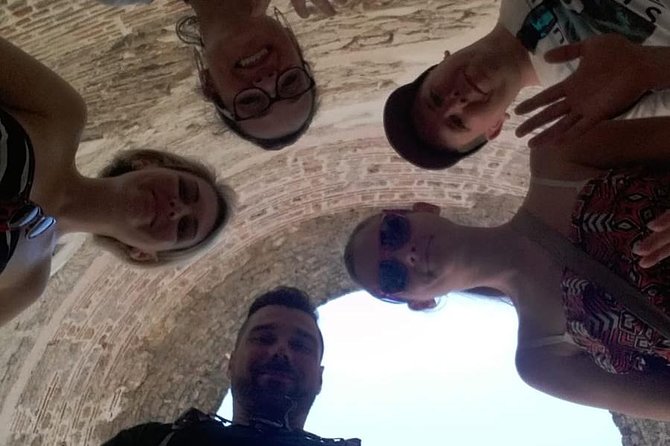
The experience is offered by Antonjeta Vulić Bilobrk, and the strongest praise points tie to how she guides your eye through the palace. One review specifically highlighted how she led people through the palace and shared a lot of details, which matters more than you’d think.
A good archaeology guide doesn’t just provide dates. She helps you see. In a short itinerary, that’s the difference between “I saw a courtyard” and “I understand what role that courtyard played.”
Another helpful theme from feedback: there’s appreciation for a guide who walks and talks at a comfortable rhythm. That matters on stone streets and in palace areas where you might otherwise feel rushed or lost.
Going out of season: what you should expect
One review mentions that going out of season helped the day feel less crowded, and it even allowed extra time for a side stop like a waterfall trip arranged by someone on the experience. The key takeaway for you: fewer people can mean more breathing room.
This tour is only about two hours, so extra time can make your explanations easier to absorb. If you can travel in a quieter stretch, you may get a more relaxed pacing and more chances to linger at the spots that catch your attention.
Small-group pacing: why it’s worth it here
With a maximum of 10 travelers, you get an experience that stays responsive. In this kind of walking tour, crowd size affects what you can actually learn. Too many people and the guide has to speak louder, move faster, and skip the micro-details.
With fewer people, you can slow down without derailing the group. That’s especially helpful in palace areas where small sight lines—arches, thresholds, and spatial transitions—are what make the story click.
It also reduces the classic walking-tour problem: the feeling that you’re constantly trying to catch up. A compact group makes the walking rhythm feel more human.
Who this walk is best for (and who might want something else)
This is a strong choice if:
- You want history that’s tied to specific places, not just general facts
- You like small-group guidance and short, focused stops
- Split is your first stop and you want quick orientation around Diocletian’s Palace
- You’re okay paying extra for ticketed palace areas to get the full route
You might want a different format if:
- You prefer long, independent time inside ticketed sites
- You want a deeper museum-style experience with longer dwell times
- Your priority is beaches or modern Split, with no interest in Roman/medieval layers
Practical tips to get the most from the walk
Wear shoes that handle uneven stone and plan for a steady walking pace. Even with short stops, the tour moves across multiple areas.
Bring a charged phone, since a mobile ticket is part of the setup. If you know you’ll want the ticketed palace entrances, it can also help to budget for that ahead of time so you’re not figuring it out on the spot.
If you’re visiting in a quieter season, keep your day flexible. The feedback you have suggests there can be more room for side options when crowds are lower, which can turn a good tour into a memorable afternoon.
Should you book this walking tour with an archaeologist?
If you want a fast, clear way to understand Split’s layers, I’d book it. The combination of Roman palace orientation, a visit to the Diocletian Palace Substructures, and a final stop at Narodni Trg gives you a well-rounded arc in only about two hours.
It’s also good value if you like guided explanations and you’re comfortable with the fact that some palace areas require admission on top of the tour price. If you’d rather rely on self-guided wandering, you might skip it. But if you want your photos backed up by real meaning—where things are and why they mattered—this is a smart use of your time in Split.
FAQ
How long is the walk through Split with an archaeologist?
It runs for about 2 hours.
What language is the tour offered in?
The tour is offered in English.
How many people are in the group?
The experience has a maximum of 10 travelers.
Where do we meet for the tour?
You meet at the Gregory of Nin Statue, Ul. kralja Tomislava 12, 21000 Split, Croatia.
Is admission included for all stops?
No. The Peristyle and the Vestibulum stops list admission tickets as not included. The Diocletian Palace substructures stop is free, and Narodni Trg is free.
Do I need a paper ticket?
No. You’ll use a mobile ticket.
Is it easy to reach the meeting point with public transportation?
Yes, it’s near public transportation.
What is the cancellation policy?
You can cancel for a full refund up to 24 hours before the experience starts. If you cancel less than 24 hours before, there is no refund.
More Walking Tours in Split
- Split: Old Town and Diocletian Palace Walking Tour
★ 4.9 · 4,727 reviews - Walking Tour of Split and Diocletian’s Palace
★ 5.0 · 2,588 reviews - Krka Waterfalls tour with Trogir Walking tour and Krka panoramic boat cruise
★ 5.0 · 1,659 reviews - Split & Diocletian’s Palace Walking Tour
★ 5.0 · 1,125 reviews - Walking Tour of Split with a ‘Magister’ of History
★ 5.0 · 1,122 reviews
More Tour Reviews in Split
- Split: Krka Waterfalls Trip with Boat Cruise and Swimming
★ 4.8 · 10,519 reviews - From Split: Krka Waterfalls, Food & Wine Tasting Tour
★ 5.0 · 9,326 reviews - Blue cave, Mamma Mia and Hvar, 5 islands speedboat tour
★ 5.0 · 7,150 reviews - From Split: Krka Waterfalls, Food & Wine Tasting Tour
★ 4.9 · 6,598 reviews - Split/Trogir: Blue Cave, Mamma Mia, Hvar and 5 Island Tour
★ 4.6 · 6,320 reviews
Still deciding? More Split trips we have been out and reviewed



Walking Tours, compared.
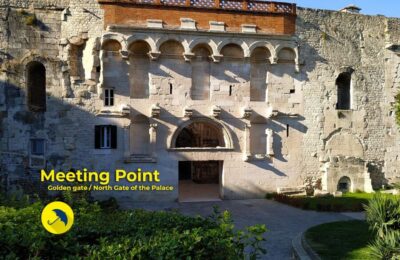 ★ 4.9Old Town and Diocletian Palace Walking TourFrom $174,727 reviews
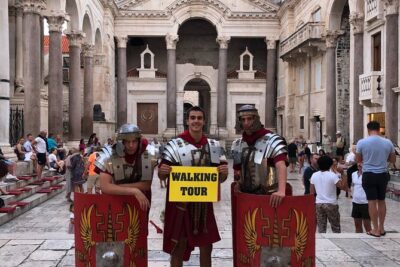 ★ 5.0Walking Tour of Split and Diocletian’s PalaceFrom $482,588 reviews
 ★ 5.0Krka Waterfalls tour with Trogir Walking tour and Krka panoramic boat cruiseFrom $481,659 reviews
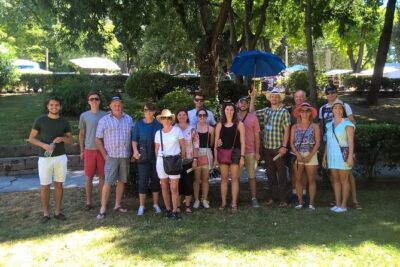 ★ 5.0Split & Diocletian’s Palace Walking TourFrom $211,125 reviews
 ★ 5.0Walking Tour of Split with a ‘Magister’ of HistoryFrom $341,122 reviews
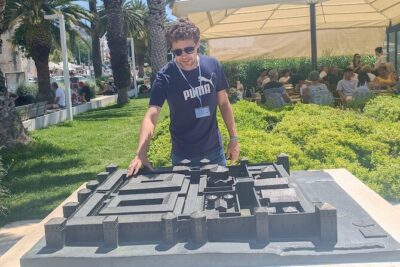 ★ 5.0Split Walking Tour with Professor of HistoryFrom $24926 reviews
 ★ 4.7Diocletian Palace & Old Town Guided Walking TourFrom $17882 reviews
 ★ 4.7Krka Waterfalls Cruise & Trogir Walking TourFrom $47681 reviews
Browse the lists this tour appears in