
Reviewed · SPLIT OLD TOWN WALKING TOURS
Experience Split With Local Professional Historian – Small Group
Split can feel like a puzzle at first. This tour turns it into a story you can follow. With Boris, a local licensed historian, you walk through Diocletian’s Palace and the old city using a display book of pictures and 3D reconstructions, so the stone-and-shadow version of Roman life starts making sense.
I especially liked two things: the way Boris explains everyday life in Split, not just big-name monuments, and the photo-friendly guidance that helps you frame the palace details instead of just rushing past them. One possible drawback: it is a walking tour, so if you prefer a mostly sit-down visit or you hate uneven old-stone streets, you may feel it a bit more than you’d like.
In This Review
- Key Highlights You Should Know
- Meeting Boris at Golden Gate: A Smart 2-Hour Split Primer
- Why the Small Group Format (Up to 12) Changes Everything
- Stop-by-Stop: From Golden Gate to People’s Square
- Stop 1: The Golden Gate (Diocletian’s Palace)
- Stop 2: Grgur Ninski Statue (Gregory of Nin)
- Stop 3: Palazzo di Diocleziano (Diocletian’s Palace core)
- Stop 4: The Peristyle of Diocletian’s Palace
- Stop 5: Temple of Jupiter (outside view)
- Stop 6: Cathedral of Saint Domnius (outside visit)
- Stop 7: Vestibulum of Diocletian’s Palace
- Stop 8: Riva Harbor (main promenade)
- Stop 9: Fruit’s Square (Trg Brace Radic)
- Stop 10: Pjaca (People’s Square) and final recommendations
- The 3D Reconstruction Book: Why It’s More Than Props
- Photo Tips You’ll Actually Use
- Price and Value: What You’re Paying For
- Logistics That Affect Your Comfort
- Who This Tour Suits Best
- Should You Book This Split Experience?
- FAQ
- How long is the Split walking tour?
- What group size can I expect?
- What language is the tour offered in?
- Where does the tour start and end?
- What is included in the price?
- Are any admission tickets included?
- Is a mobile ticket provided?
- What happens if weather is poor?
Key Highlights You Should Know
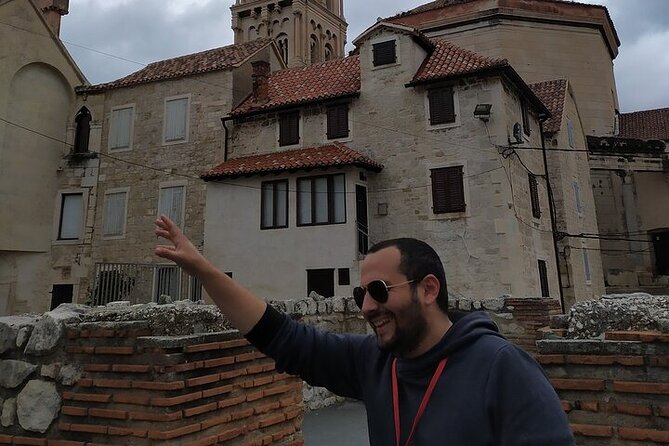
- A local historian guide named Boris who teaches like a teacher, with room for questions
- 3D reconstruction images and a picture display book that makes the palace layout easier to grasp
- Small group (max 12) that keeps things personal and interactive
- Photo tips during the walk, so you know what to capture and where
- Old-town flow beyond the palace, ending at People’s Square for easy next steps
Prefer to walk it? More guided strolls through Split
- Split: Old Town and Diocletian Palace Walking Tour★ 4.9 · 4,727 reviews
- Walking Tour of Split and Diocletian’s Palace★ 5.0 · 2,588 reviews
- Krka Waterfalls tour with Trogir Walking tour and Krka panoramic boat cruise★ 5.0 · 1,659 reviews
- Split & Diocletian’s Palace Walking Tour★ 5.0 · 1,125 reviews
Meeting Boris at Golden Gate: A Smart 2-Hour Split Primer
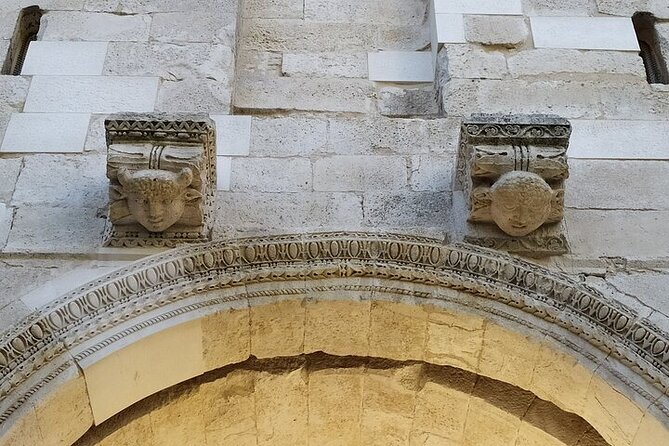
If you want one great first move in Split, start with the structure that everything else grew from: Diocletian’s Palace. That’s exactly where this tour begins, at the Golden Gate, a major northern entrance to the palace complex. It may not be made of gold, but it’s a perfect starting point because it immediately anchors the city in time—Roman power on one side, daily life and later centuries on the other.
Boris runs this as a small-group history lesson with real street logic. He’s a local professional historian with a master’s degree in history, and his background comes through in how he explains cause-and-effect: how the palace was built, what it meant for control and movement, and how the space evolved when medieval life took over. You don’t just hear dates—you get a mental map.
And yes, the tour is designed to be practical. You get a mobile ticket, you’re dropped right back in the center (People’s Square), and the pacing is built around short stops with clear themes. For many people, this becomes the thread that ties together the rest of their day.
Why the Small Group Format (Up to 12) Changes Everything
Split’s old town is crowded, especially in peak season. A small group makes a big difference because you can actually hear the guide without competing with surrounding noise. In a group of up to 12, you also get more back-and-forth. Boris encourages questions, and he adjusts his explanations based on what people ask.
That matters for two reasons. First, Diocletian’s Palace is confusing if you just wander in. Second, everyone’s interests differ. Some people want Roman religion. Others want how medieval Split took over the palace spaces. A small group lets you follow your curiosity instead of getting only a one-speed lecture.
Stop-by-Stop: From Golden Gate to People’s Square
This tour is laid out as a guided walk through the palace and the surrounding heart of old Split. Most stops are short, so you keep momentum—and you get enough context to explore on your own afterward.
Stop 1: The Golden Gate (Diocletian’s Palace)
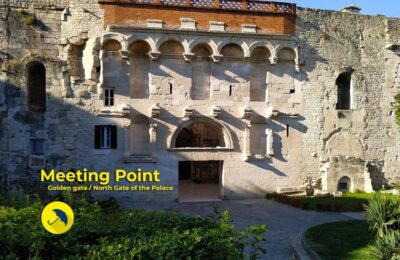
You meet at Golden Gate, opposite Gregory of Nin. It’s one of Split’s most recognizable spots, and Boris uses it as a history starting line: what the gate was for, why it mattered, and how the palace functioned as a machine for movement and power. You also get an early comparison to nearby famous landmarks so the city feels connected rather than random.
What to watch for: take a moment to look at the gate’s position in relation to what you’ll see next. The whole tour later “clicks” because you remember where you started.


Stop 2: Grgur Ninski Statue (Gregory of Nin)
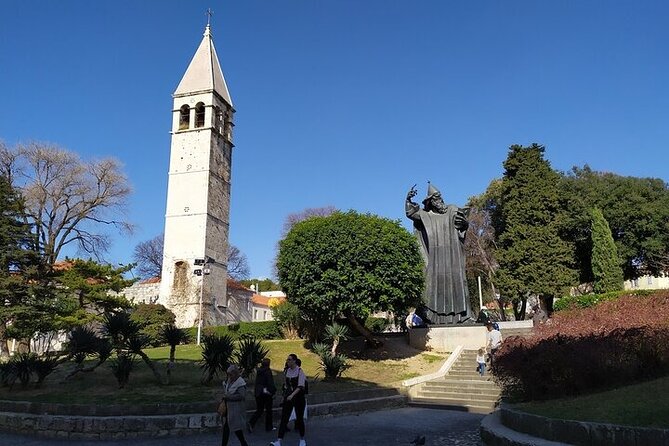
Right away, the tour shifts from pure architecture to people and legacy. Gregory of Nin is tied to church history, and Boris shares stories and facts about him, including details about the monument and its sculptor. It’s a quick stop, but it adds a human layer to the Roman structures that came before.
This stop also helps you understand how later Split built identity in the same physical space. Roman stone didn’t erase later history. It became a backdrop.
Stop 3: Palazzo di Diocleziano (Diocletian’s Palace core)
Now you get the main event. Boris explains Diocletian as one of the successful emperors of the Roman Empire and walks you through key palace parts. You’ll cover major areas and also what he calls hidden gems—small details you might miss if you’re just looking for the “big postcard” shots.
Key areas you’ll focus on include:
- Peristyle (central space with big meaning)
- Jupiter’s Temple (viewed from outside)
- Diocletian’s Cellars (central substructure)
- Triclinium (dining area, described in terms of Roman eating habits)
- Mausoleum / Cathedral of St. Domnius (seen outside)
This is the stop where the 3D reconstructions and the display book matter most. Roman palace life is hard to visualize when you’re standing in ruins. The guide bridges that gap with structure and function, so you’re not left guessing what you’re looking at.
Stop 4: The Peristyle of Diocletian’s Palace
Standing in the middle of the palace complex, the Peristyle becomes your orientation point. Boris explains how it connected people—and also divided them—from the emperor. That is a useful concept because it changes how you interpret the space. Instead of thinking only about beauty or size, you start noticing movement, hierarchy, and daily routines.
He also connects changes over time, including the way Christianity reshaped palace spaces and usage. Then you move toward the cellars area, where he discusses how these substructures were used historically and what they meant for Split.
If you like learning through “why,” this is a strong moment. You begin to see the palace as designed space, not just an old building.
Stop 5: Temple of Jupiter (outside view)
Roman life included religion as a serious part of public and private identity, and the tour handles this without making it overly technical. You’ll view Jupiter’s Temple from outside and hear how important temples were in Roman residences.
This stop works best if you’re curious about how Romans thought about power. Religion wasn’t separate from politics—it was part of it.
Stop 6: Cathedral of Saint Domnius (outside visit)
You’ll stand in front of the Cathedral of St. Domnius for an outside-focused look. Boris points out significant parts and gives you warning-style tips about what to pay attention to later if you visit the interior yourself.
Even if you skip the interior afterward, the exterior discussion helps you connect the cathedral to the palace’s original mausoleum role. That continuity is one of Split’s signature surprises.
Stop 7: Vestibulum of Diocletian’s Palace
This is the kind of stop that makes a guided tour worth it. The vestibulum—essentially a pre-entrance area to Diocletian’s private chambers—looks like “just another doorway” if you’re wandering. Boris explains what it was decorated for and why that matters.
It’s a small time investment that pays off because it teaches you how to read the palace like a system of thresholds.
Stop 8: Riva Harbor (main promenade)
The tour steps out of palace stone and into daily city rhythm at Riva, Split’s main promenade. Boris explains how Riva developed over centuries and why it became central for locals.
This stop is short, but it helps you reset your brain after Roman complexity. It also gives you a simple next step: if you’ve been walking, Riva is where you’ll likely want to slow down later.
Stop 9: Fruit’s Square (Trg Brace Radic)
Fruit Square is small and charming, and Boris gives it meaning with the name and a central monument in the middle. It’s the kind of place you might barely notice on your own, but the guide ties it to the surrounding story.
This is one of those “small stop, big payoff” moments—because it turns a cute square into a landmark with context.
Stop 10: Pjaca (People’s Square) and final recommendations
The tour ends on People’s Square, also known as Pjaca. It’s the center of city happenings from medieval times to today, and Boris explains why a square like this matters in how cities function.
Before you wrap up, he suggests other things to see and do that aren’t part of the tour. Based on his teaching style, you’ll likely leave with a more confident plan for the rest of your day—plus practical food and coffee ideas. Some people even get hints tied to pop culture locations (including Game of Thrones filming sites) when the timing and discussion fit.
The 3D Reconstruction Book: Why It’s More Than Props
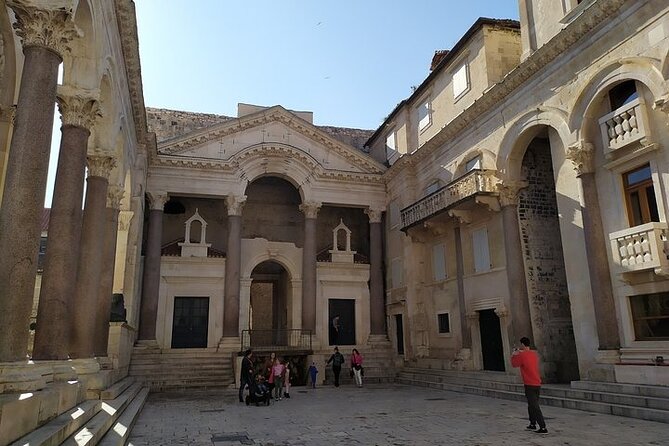
Diocletian’s Palace is one of those places where you can stare at walls and still feel lost. The tour solves that with a display book using pictures and 3D reconstruction images. It’s not just decoration—it’s a visual tool to help you understand what you’re standing on.
You’ll use it as you walk through major zones, especially at the palace core, so you’re not learning the palace layout only from theory. Instead, you see the structure in 3D, then you look at the real space and connect the dots.
This approach is also why families often do well on the tour. Boris’s teaching style includes interactive moments like trivia questions, so kids and adults stay engaged in different ways.
Photo Tips You’ll Actually Use
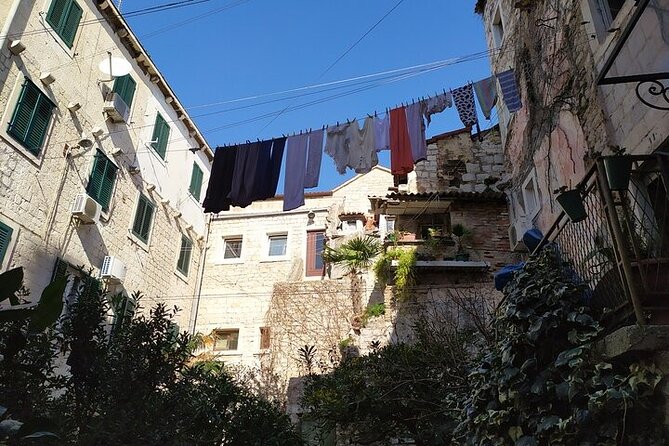
A lot of city tours say they are photo-friendly. This one is better than that. Boris helps you take photos on the tour by pointing out what to frame and where to stand. That is especially useful around the palace because the best shots are often about angles—doorways, arches, and the way the space opens up around the Peristyle.
If you want your photos to look like you planned them (even if you didn’t), this is a real advantage.
Price and Value: What You’re Paying For
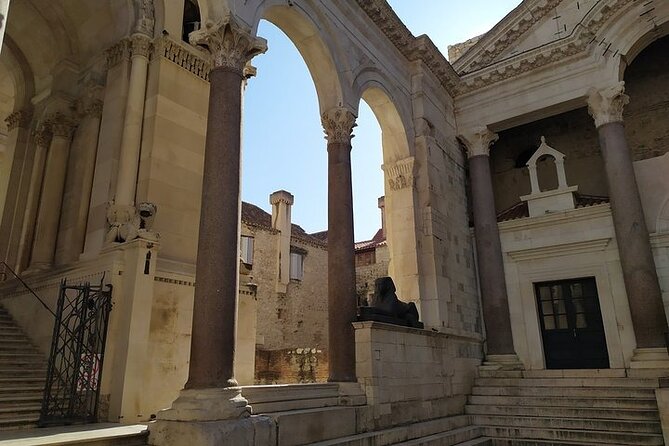
At $38.62 per person for about two hours, this isn’t a “cheapest possible” option. But the value comes from three places.
First, you’re paying for a local historian with a master’s degree in history, not a basic sightseeing script. Boris’s explanations connect Roman building design to later medieval and modern use of the same spaces.
Second, you’re paying for learning aids (pictures and 3D reconstructions). That kind of support helps you get meaning quickly, which makes the rest of your Split time more valuable.
Third, you’re paying for the small-group format. With a maximum of 12, you get more interaction and a better chance to hear the details that turn monuments into understanding.
If you only have a short window in Split and you want a strong foundation fast, this is one of the better uses of your time—and it can save you from spending your first day wandering without direction.
Logistics That Affect Your Comfort
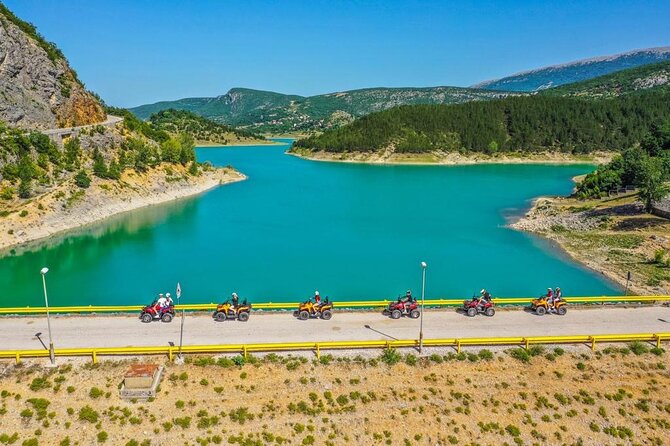
This tour is weather-dependent and requires good conditions. Old stone can be slick or uncomfortable when it’s wet, so check the forecast and bring shoes you trust.
Plan for walking on uneven streets. It’s not an extreme hike, but you’ll cover enough ground that comfy footwear matters. The tour also includes a mix of outside stops, so sun and shade can shift.
You’ll get a mobile ticket, and the tour is offered in English. Most people can participate, and service animals are allowed.
The meeting point is Golden Gate at Dioklecijanova 7. The walk ends on People’s Square, which is a convenient “drop-off” location if you want to eat, rest, or keep exploring nearby.
Who This Tour Suits Best
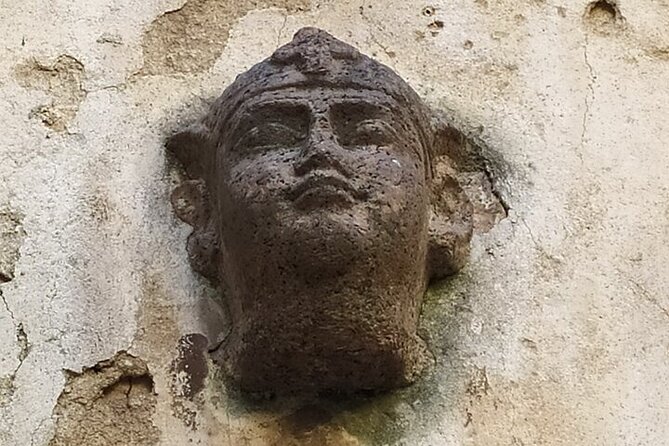
I’d book this if you want:
- A structured intro to Diocletian’s Palace that doesn’t require prior knowledge
- Clear explanations of how Roman Split became medieval and then modern Split
- A guide who encourages questions instead of pushing you along
- A small-group experience where you can actually hear your guide
You might skip it if you mainly want a slow, self-paced wander or if you prefer minimal walking plus minimal facts. This is history-focused, and it moves at a teacher pace.
Should You Book This Split Experience?
Yes, if you’re visiting Split for the first time and you want Diocletian’s Palace to feel understandable instead of random stone. The combination of Boris’s historian teaching style, the 3D reconstructions, and the small-group size makes it a smart use of limited time. You’ll finish with a map in your head and a list of practical next stops—often including food and coffee ideas—so you can keep enjoying Split without second-guessing your route.
If you hate walking or you need a very hands-off, low-energy activity, you may find it too structured. Otherwise, this is one of the best ways to get your bearings fast.
FAQ
How long is the Split walking tour?
It runs for about 2 hours.
What group size can I expect?
The experience has a maximum of 12 travelers.
What language is the tour offered in?
It is offered in English.
Where does the tour start and end?
It starts at Golden Gate (Dioklecijanova 7, Split) and ends on People’s Square (Pjaca Square).
What is included in the price?
You get a local professional licensed guide with a master’s degree in history, plus a display book with pictures and 3D reconstruction images.
Are any admission tickets included?
No. Admission tickets are not included.
Is a mobile ticket provided?
Yes, it uses a mobile ticket.
What happens if weather is poor?
If it’s canceled due to poor weather, you’ll be offered a different date or a full refund.
More Tour Reviews in Split
- Split: Krka Waterfalls Trip with Boat Cruise and Swimming
★ 4.8 · 10,519 reviews - From Split: Krka Waterfalls, Food & Wine Tasting Tour
★ 5.0 · 9,326 reviews - Blue cave, Mamma Mia and Hvar, 5 islands speedboat tour
★ 5.0 · 7,150 reviews - From Split: Krka Waterfalls, Food & Wine Tasting Tour
★ 4.9 · 6,598 reviews - Split/Trogir: Blue Cave, Mamma Mia, Hvar and 5 Island Tour
★ 4.6 · 6,320 reviews
Walk Split a Different Way
- Split: Old Town and Diocletian Palace Walking Tour
★ 4.9 · 4,727 reviews - Walking Tour of Split and Diocletian’s Palace
★ 5.0 · 2,588 reviews - Krka Waterfalls tour with Trogir Walking tour and Krka panoramic boat cruise
★ 5.0 · 1,659 reviews - Split & Diocletian’s Palace Walking Tour
★ 5.0 · 1,125 reviews - Walking Tour of Split with a ‘Magister’ of History
★ 5.0 · 1,122 reviews
Still deciding? More Split trips we have been out and reviewed
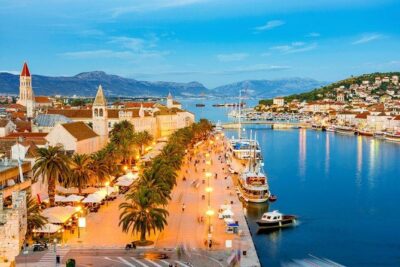
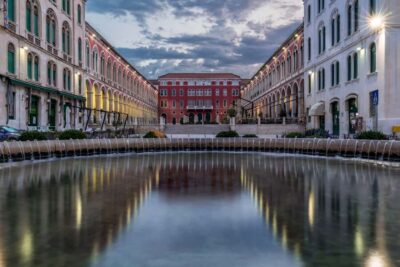


Split Old Town Walking Tours, compared.
 ★ 4.9Old Town and Diocletian Palace Walking TourFrom $174,727 reviews
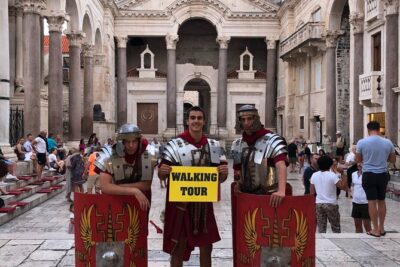 ★ 5.0Walking Tour of Split and Diocletian’s PalaceFrom $482,588 reviews
 ★ 5.0Krka Waterfalls tour with Trogir Walking tour and Krka panoramic boat cruiseFrom $481,659 reviews
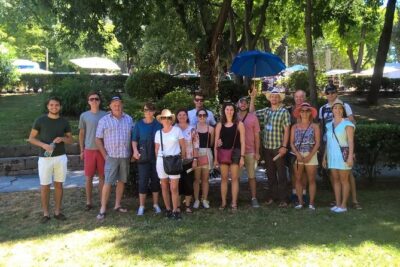 ★ 5.0Split & Diocletian’s Palace Walking TourFrom $211,125 reviews
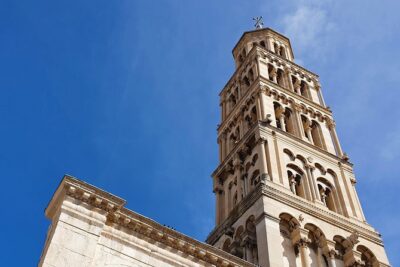 ★ 5.0Walking Tour of Split with a ‘Magister’ of HistoryFrom $341,122 reviews
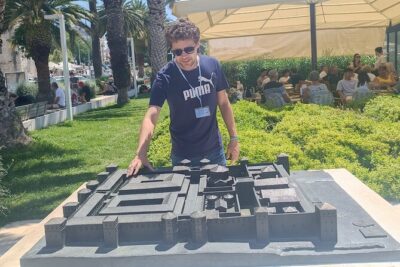 ★ 5.0Split Walking Tour with Professor of HistoryFrom $24926 reviews
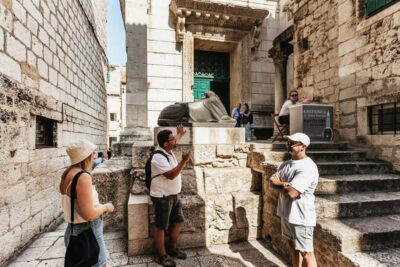 ★ 4.7Diocletian Palace & Old Town Guided Walking TourFrom $17882 reviews
 ★ 4.7Krka Waterfalls Cruise & Trogir Walking TourFrom $47681 reviews
Browse the lists this tour appears in