

Reviewed · KLIS FORTRESS & SALONA
Split: Olive museum Klis with Olive Oil Tasting
Olive oil skills come with the tastings. At Stella Croatica in Klis, you get a guided look at a traditional Croatian family estate and a hands-on lesson in spotting real extra virgin olive oil. I especially liked the botanical collection and the interactive tasting workshop, where you learn by doing instead of just watching.
One thing to keep in mind: the olive oil museum experience is mostly indoors, so if you’re expecting to wander among olive trees or fields right at the site, you may feel a little limited. Still, there’s time to explore the park and herb areas after the structured part of the visit.
In This Review
- Key highlights before you go
- Stella Croatica in Klis: what your guided tour really includes
- The Olive Oil Museum and the idea of liquid gold
- The botanical garden with 500 species (and why it’s more than scenery)
- Olive oil tasting: learning to recognize extra virgin quality
- Sweets, natural cosmetics testing, and the shop time
- Price and value: is $18 worth it?
- Who this experience fits best (and who should rethink)
- Logistics and on-site rules you should plan around
- Should you book this Split-area olive oil tasting in Klis?
- FAQ
- Where is this olive oil experience located?
- How much does the tour cost?
- What’s included with the ticket?
- What happens during the olive oil tasting?
- Are languages available for this tour?
- What restrictions are there during the visit?
- Is lunch included?
- Can I buy products on-site?
- Is there free time during the experience?
- What’s the cancellation policy?
Key highlights before you go
- Stella Croatica family estate tour: you’ll see how traditional products and plant-based items are made
- Olive Oil Museum: an award-finalist museum focused on Croatia’s olive culture (European Museum of the Year Award 2023 finalist)
- 500-species botanical collection: a big herb and plant stop that connects to how people use local greenery
- Two extra-virgin olive oil tastings: you taste side-by-side and learn what matters
- Interactive “taster” training: you practice the sniff-and-taste method like a professional
- Shop + concept store time: you can buy products, with mention of factory-price shopping
Konoba and cellar: more wine tastings around Split
- From Split: Krka Waterfalls, Food & Wine Tasting Tour★ 5.0 · 9,326 reviews
- From Split: Krka Waterfalls, Food & Wine Tasting Tour★ 4.9 · 6,598 reviews
- Krka National Park Tour with tour Guide & Wine tasting from Split & Trogir★ 5.0 · 1,625 reviews
- Split: Krka Waterfalls With Boat Cruise, Wine and Olive Oil★ 4.3 · 1,507 reviews
Stella Croatica in Klis: what your guided tour really includes
This isn’t just a museum ticket. You’re joining a guided route through Stella Croatica, a traditional family estate in the Klis area of Dalmatia near Split. The day starts with you meeting your host and getting oriented, then moving through several themed stops that connect plants, production, and the final products you’ll sample later.
First, you’ll witness how local ladies produce and pack traditional items made from things like figs, almonds, oranges, and lavender. That may sound like a side detail, but it sets the tone: the estate isn’t presenting olive oil as something separate from daily life. It’s one branch of a larger “use what grows here” culture.
Next comes another plant-based step: you’ll learn how essential oils are extracted from typical Dalmatian herbs and used in natural cosmetics. This matters for the olive oil part later because you start thinking about quality control and sensory cues. You’re not only learning what something is. You’re learning how it gets made, and what choices affect the final result.
After the production area, you transition into the outdoors through a botanical collection. The tour route is designed so you can move from a practical, hands-on mindset into the “why” behind the products.
One practical note: you should expect the structured portion to feel fairly educational. If you want lots of free-roaming time, you’ll still get some open time later, but the core value is in the guide-led flow.
The Olive Oil Museum and the idea of liquid gold
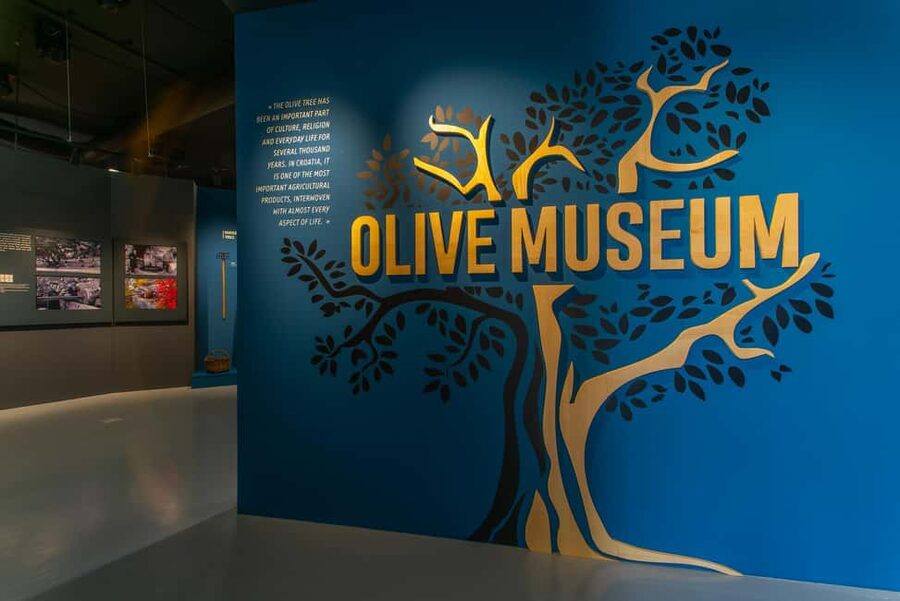
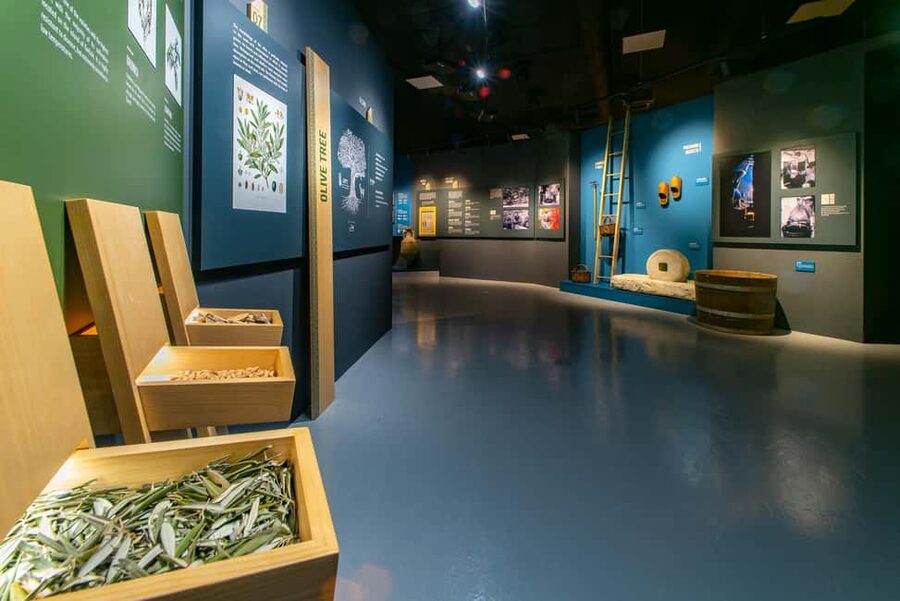
The Olive Oil Museum is where the experience shifts from process and plants to the star product: olive oil. The museum is designed around Croatia’s relationship with olives—the “liquid gold” idea—and it’s notable enough to have been a finalist for the European Museum of the Year Award 2023.
What I liked most here is the museum’s role as a foundation. If olive oil has ever seemed like a confusing label maze to you, this is the kind of stop that helps it click. Even when the exhibits are more interpretive than hands-on, the goal is to prepare you for what comes right after: learning how to recognize extra virgin quality through tasting.
That said, be honest with your expectations. One review-shaped reality check that you should apply to your planning: there aren’t olive trees or fields you can walk through on-site. So treat the museum as an indoor learning space, then use the park/herb time later for fresh air and a change of pace.
If you like food education—how ingredients connect to region and production—this museum works well. If you’re chasing a “walk through an olive grove” kind of photo moment, you’ll want to know that’s not the format.
The botanical garden with 500 species (and why it’s more than scenery)
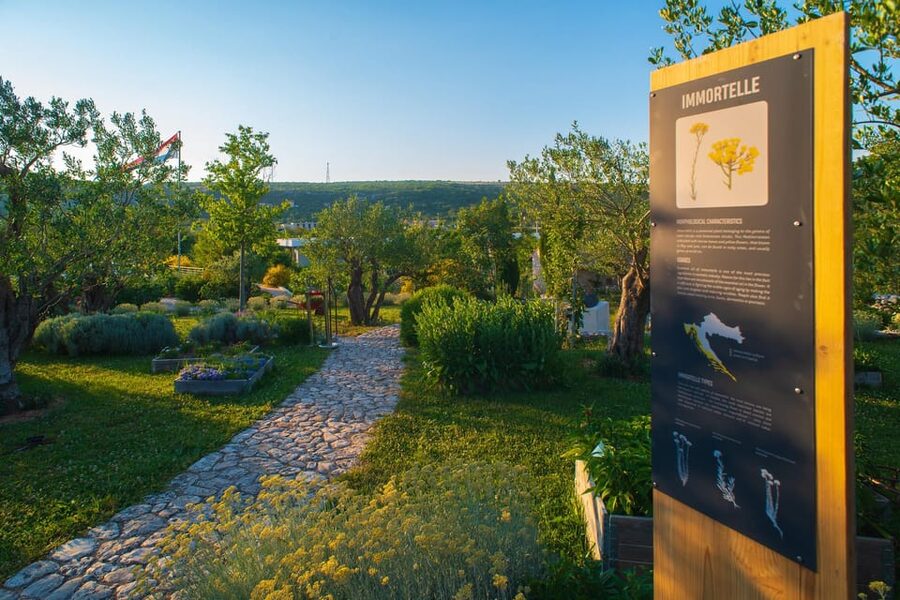
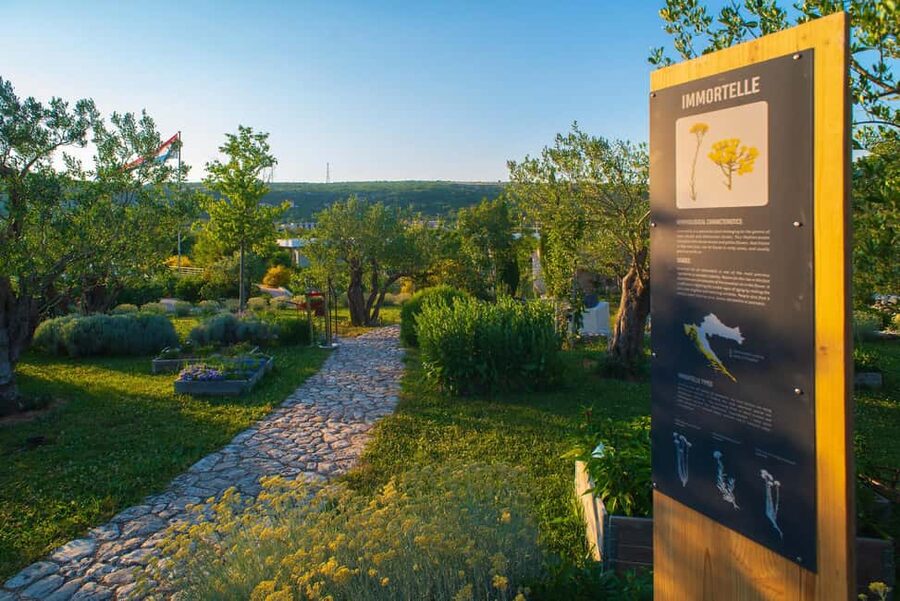
The botanical collection is one of the best parts of the day, and not just because it’s pretty. You’re looking at a large set of species—500 in total—and you learn what some of them can be used for.
This is where the tour becomes more useful if you’re curious about everyday life in Dalmatia. The plants aren’t presented only as decoration. They connect back to what you saw earlier: essential oil extraction and natural cosmetics. You also get hints about traditional use—how herbs and local species fit into making products.
In practical terms, this stop helps you build “sensory vocabulary” for later. When you start tasting olive oils, being able to relate aromas and flavors to real plant origins makes the experience feel less abstract.
If you bring kids, this is also a strong moment. One family experience I found especially encouraging was that a nine-year-old did well with the structure, and the broader estate parts helped keep attention. The botanical garden is an easy win because it’s visual and tangible.
After the guided section, you’ll often have time to explore the park area again. If you want a slower pace, this is where you can take it down a notch and wander at your own speed.
Olive oil tasting: learning to recognize extra virgin quality
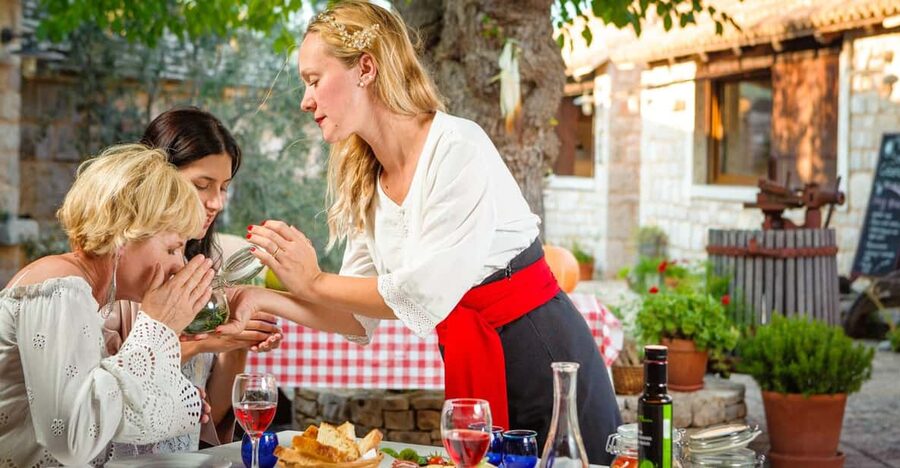
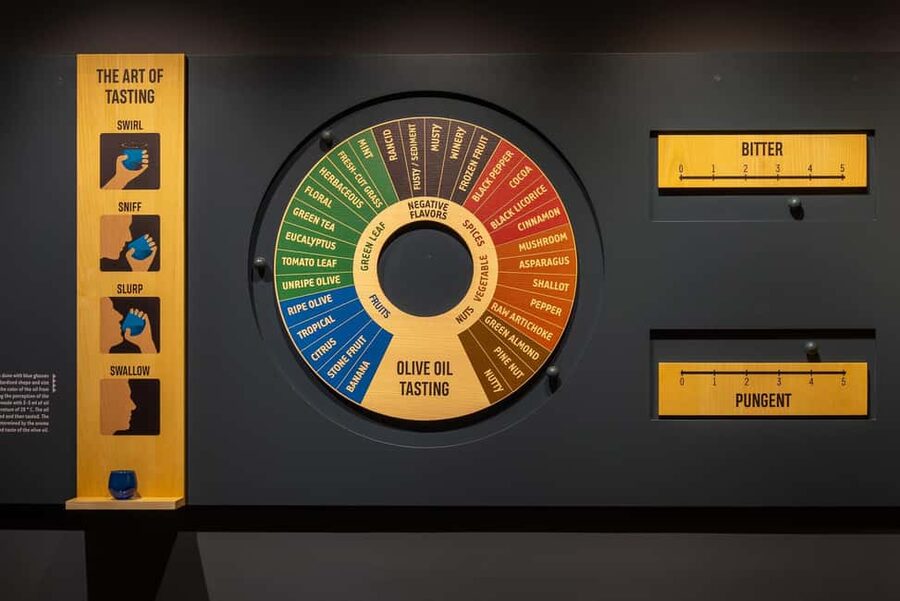
This is the payoff. The olive oil tasting room is where you learn how to recognize extra virgin olive oil through an interactive experience. The approach is not just “taste this” and call it a day.
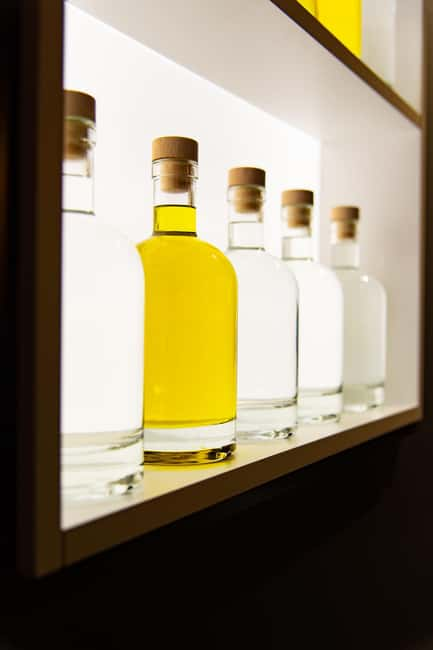
You start by being educated on key recognition points, then you move into the tasting itself. You taste two different olive oils, and both are labeled as extra virgin. That pairing is smart: it gives you a direct comparison, so you can train your senses to notice differences instead of trying to memorize a single flavor profile.
What makes this section stand out is the training style. You practice with the kind of sniff-and-taste method that professional tasters use. You’re not forced into a formal lecture mode. You learn by doing, and you get feedback as you go.
If you’ve ever bought olive oil based purely on label claims, this part can upgrade your grocery decisions fast. You’ll leave with a personal checklist for what to look for during future tastings—how aroma and flavor behave when the oil is truly extra virgin.
One caution: the tasting portion is short and focused, not a long multi-course festival. For most people, that’s a good thing. You get training without turning the day into an all-day commitment. But if you’re dreaming of a deep, hour-long tasting seminar, this may feel brief.
Up to the fortress and Roman Salona, more from Split


Sweets, natural cosmetics testing, and the shop time
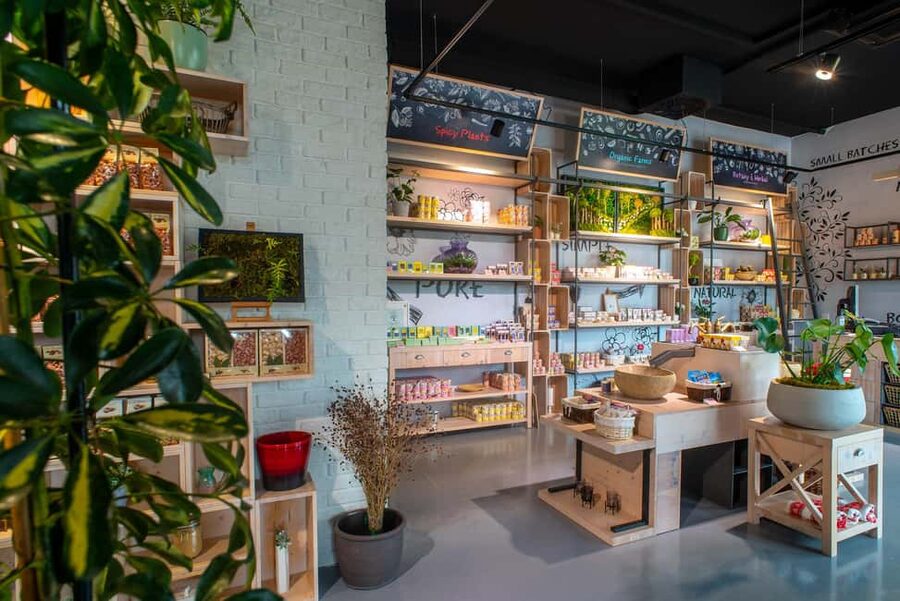
The experience doesn’t end at tasting. Included in your visit are traditional sweets and some testing of natural cosmetics. For me, this is where the estate feels complete: olive oil and herbs show up in multiple forms, and you get to experience that connection.
The concept store afterward is also worth planning for. You have a chance to taste or sample what’s available and then buy products. There’s mention that you can purchase items under factory prices, which is exactly the kind of value angle you want to know before you walk into a shop.
Even if you don’t plan to buy much, the store time gives you a chance to connect what you learned to real products on shelves. That helps the tasting experience stick in your mind.
Finally, after the structured tour and workshop portion, you get some free time to explore—either the park area or to have traditional lunch. Details about lunch cost or what’s on the menu aren’t provided, so treat lunch as an optional add-on rather than part of the core ticket price.
Price and value: is $18 worth it?
At $18 per person, this tour sits in the “solid value” category—especially because your ticket isn’t only for museum entry.
You’re paying for:
- a guided tour of Stella Croatica and the olive oil museum
- tasting of two extra-virgin olive oils
- traditional sweets
- testing natural cosmetics
- an educational tasting workshop that teaches you how to judge quality
For perspective, many olive oil tastings elsewhere charge similar money but include less education or fewer extras. Here, the combination of museum learning + guided estate context + active tasting is what justifies the price.
The biggest factor in whether you’ll feel it was worth it is your goal. If you want a hands-on skill—how to recognize extra virgin—you’re in the right place. If you want only pretty scenery and don’t care about tasting education, the museum-focused nature could feel like it takes more effort than you expected.
Also, the group experience is designed to be efficient. Reviews-style feedback in the vibe of this experience points to clear explanations and a “learn a lot fast” structure. If you like that, you’ll probably enjoy the pacing.
Who this experience fits best (and who should rethink)
This tour is a strong match if you:
- like food education and want a practical skill you can use later
- enjoy guided museum-style learning, then want a tasting workshop to apply it
- want something meaningful that still feels approachable for families
- are curious about how Dalmatian herbs connect to oils and natural cosmetics
It may be less ideal if you:
- expect an outdoor olive grove walk as part of the site visit
- prefer only long, unstructured wandering over guided explanation
- dislike indoor museum exhibits and prefer mostly outdoor attractions
And for couples: this can be a fun “we learned something together” type of outing. You also get enough time to explore the grounds afterward without turning it into a full-day hike.
Logistics and on-site rules you should plan around
Meeting is straightforward: follow the signs from the main road to Stella Croatica. Go into the main building and wait for your host to arrive.
The activity ends back at the meeting point, so you’re not dealing with a complicated end-location.
There are also clear restrictions:
- no food and drinks
- no video recording
If you’re the kind of person who likes to snack during tours, plan for that. You’ll have free time afterward for traditional lunch options, but the tour itself keeps things controlled.
One more practical tip: you’ll likely be walking through different areas (production/museum/park), so wear comfortable shoes. The estate includes botanical and outdoor exploration time, so don’t show up in footwear that hates uneven ground.
Should you book this Split-area olive oil tasting in Klis?
Book it if you want more than a quick taste. The real value here is the guided, interactive training in recognizing extra virgin olive oil—plus the extra context of a traditional estate, a 500-species botanical collection, and included sweets and cosmetics testing.
Pass or adjust expectations if your priority is scenery with olive trees on the property. This is a museum-and-workshop style experience, not a walk among groves.
If you like hands-on learning, this is one of those days where you leave with a skill, not just photos.
FAQ
Where is this olive oil experience located?
It’s in Dalmatia, Croatia, based at Stella Croatica in the Klis area near Split.
How much does the tour cost?
The price is listed as $18 per person.
What’s included with the ticket?
You get entry to Stella Croatica and the Olive Oil Museum, a guided tour, tasting of two olive oils, tasting of traditional sweets, and testing natural cosmetics.
What happens during the olive oil tasting?
You’re educated on how to recognize extra virgin olive oil through an interactive experience, then you taste two different oils that are labeled extra virgin.
Are languages available for this tour?
The language listed is English.
What restrictions are there during the visit?
Food and drinks are not allowed, and video recording is not allowed.
Is lunch included?
Traditional lunch is mentioned as a free-time option, but additional food and drinks are not included in the ticket.
Can I buy products on-site?
Yes. There is a concept store where you can purchase handmade products, and there’s mention of shopping under factory prices.
Is there free time during the experience?
After the tasting, you have free time to explore the park or take traditional lunch.
What’s the cancellation policy?
You can cancel up to 24 hours in advance for a full refund.
More Tour Reviews in Split
- Split: Krka Waterfalls Trip with Boat Cruise and Swimming
★ 4.8 · 10,519 reviews - From Split: Krka Waterfalls, Food & Wine Tasting Tour
★ 5.0 · 9,326 reviews - Blue cave, Mamma Mia and Hvar, 5 islands speedboat tour
★ 5.0 · 7,150 reviews - From Split: Krka Waterfalls, Food & Wine Tasting Tour
★ 4.9 · 6,598 reviews - Split/Trogir: Blue Cave, Mamma Mia, Hvar and 5 Island Tour
★ 4.6 · 6,320 reviews
Fortress and Ruins Near Split
- Split: Sunset at Klis Fortress with Sightseeing Bus
★ 4.5 · 715 reviews - Split: Klis Fortress GOT and Olive Museum Entry Tickets
★ 4.6 · 283 reviews - Split: Blue Line Sightseeing to Trogir, Klis & Olive Museum
★ 4.3 · 197 reviews - Visit Klis fortress GOT & Olive museum Klis
★ 4.5 · 77 reviews - Olive museum Klis with educational olive oil tasting
★ 4.5 · 50 reviews
Wine and Konoba Nights, Split
- From Split: Krka Waterfalls, Food & Wine Tasting Tour
★ 5.0 · 9,326 reviews - From Split: Krka Waterfalls, Food & Wine Tasting Tour
★ 4.9 · 6,598 reviews - Krka National Park Tour with tour Guide & Wine tasting from Split & Trogir
★ 5.0 · 1,625 reviews - Split: Krka Waterfalls With Boat Cruise, Wine and Olive Oil
★ 4.3 · 1,507 reviews - Split/Trogir: Krka National Park Day Trip with Wine Tasting
★ 4.7 · 925 reviews
Still deciding? More Split trips we have been out and reviewed
Klis Fortress & Salona, compared.
 ★ 4.5Sunset at Klis Fortress with Sightseeing BusFrom $17715 reviews
 ★ 4.6Klis Fortress GOT and Olive Museum Entry TicketsFrom $14283 reviews
 ★ 4.3Blue Line Sightseeing to Trogir, Klis & Olive MuseumFrom $29197 reviews
 ★ 4.5Visit Klis fortress GOT & Olive museum KlisFrom $1477 reviews
 ★ 4.5Olive museum Klis with educational olive oil tastingFrom $1750 reviews
 ★ 4.5Sunset Klis Fortress Tour From Split with Sightseeing busFrom $1739 reviews
 ★ 5.0Trogir Old Town & Klis Fortress from SplitFrom $12238 reviews
 ★ 5.0Private Tour with Local Guide in Luxury VanFrom $15321 reviews
Browse the lists this tour appears in