

Reviewed · KLIS FORTRESS & SALONA
Olive museum Klis with educational olive oil tasting
Olive oil education comes with real tastings.
At Stella Croatica in Klis, you get a guided walk through the Olive Museum and botanical gardens, plus hands-on lessons on recognizing quality extra virgin olive oil. I like that it’s tied to everyday Dalmatian life, not just a lecture—there are real samples and product testing along the way.
Two things I especially like: first, the tasting portion is built around learning what separates premium olive oil from the rest. Second, the tour mixes food and self-care by letting you try natural cosmetics and sample traditional specialties after you learn the process behind them. The only caution is the timing—at about 1 hour 15 minutes, you’ll get a lot of information, but you can’t expect to linger.
In This Review
- Stella Croatica in Klis: What This Olive Museum Experience Is Really About
- Olive Museum and Botanical Gardens: Where the Learning Happens
- Extra Virgin Olive Oil Tasting: How to Recognize Quality, Not Just Drink It
- Seeing Essential Oils Extracted: The Distillery Stop That Adds Context
- Natural Cosmetics Testing: Try It Before You Buy It
- Traditional Gastro Delicacies and the Concept Store Finish
- Price and Timing: Is $17.98 Worth It for 1 Hour 15 Minutes?
- Getting to the Meeting Point in Klis (and Planning Lunch After)
- Small Group Energy: Up to 20 People Means More Interaction
- The People Who Bring It to Life
- Who Should Book This Olive Museum and Olive Oil Tasting?
- Should You Book? My Verdict on Stella Croatica
- FAQ
- Where does the tour start and end?
- How long is the Stella Croatica tour?
- What does the tour cost?
- What is included in the experience?
- Is lunch included?
- Is this a small group tour?
- Can I cancel and get a full refund?
Stella Croatica in Klis: What This Olive Museum Experience Is Really About
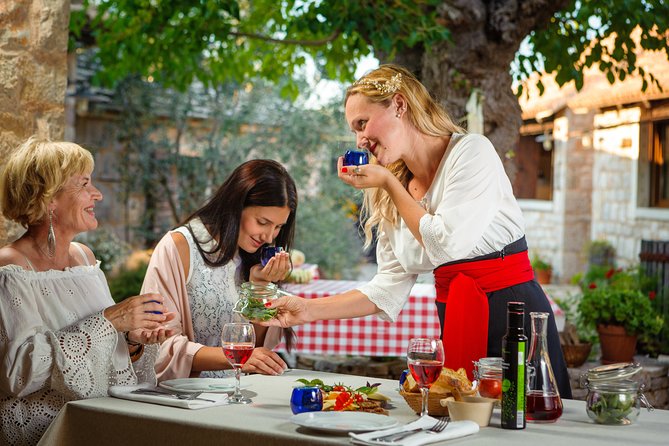
This is a family-run Dalmatian estate experience that treats olive oil, essential oils, and artisan products as one connected story. The setting matters here: you’re not in a city room with glass cases—you’re walking around an estate that grows, produces, and sells the goods.
Think of it like a practical introduction to how olive oil and plant-based products are made in this part of Croatia. You’ll see the olive museum and gardens, learn how production works, and taste your way through the differences you just studied.
The group stays small—up to 20 people—so the guide can keep things moving without turning it into a long queue of strangers. And since it ends back at the start point, it’s easy to plan what comes next with a simple schedule.
Konoba and cellar: more wine tastings around Split
- From Split: Krka Waterfalls, Food & Wine Tasting Tour★ 5.0 · 9,326 reviews
- From Split: Krka Waterfalls, Food & Wine Tasting Tour★ 4.9 · 6,598 reviews
- Krka National Park Tour with tour Guide & Wine tasting from Split & Trogir★ 5.0 · 1,625 reviews
- Split: Krka Waterfalls With Boat Cruise, Wine and Olive Oil★ 4.3 · 1,507 reviews
Olive Museum and Botanical Gardens: Where the Learning Happens
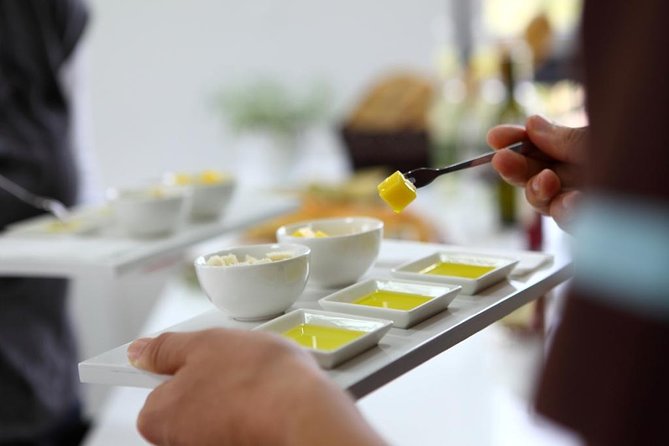
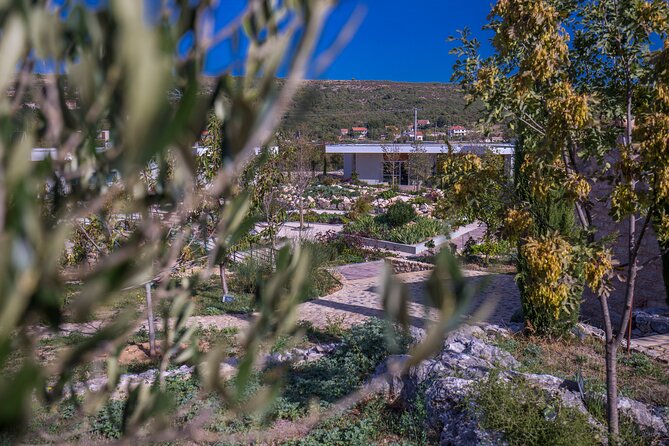
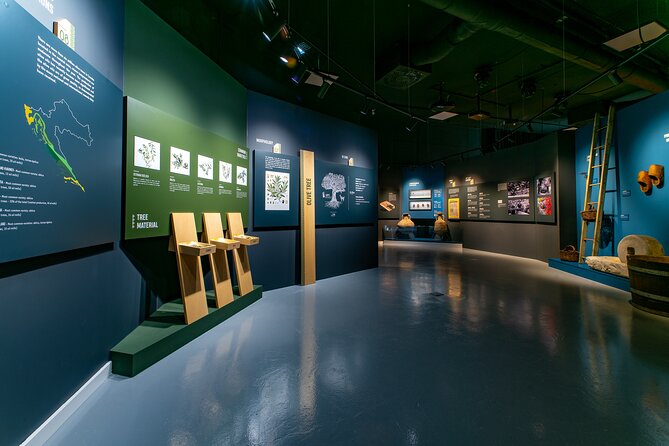
The heart of the tour is the Olive Museum setting at Stella Croatica, paired with a stroll through the botanical gardens. This combination is smart: you learn the story of olive oil quality, and the setting helps it feel grounded instead of abstract.
As you move through the museum, the focus is on recognition—what to look for when you’re trying to judge olive oil quality. You’re not just told what premium extra virgin means; you’re guided toward the cues that help you understand the differences when tasting later.
A nice bonus is that the museum environment makes the lesson easier to remember. When you see the visuals and walk the grounds, your brain has something to attach the information to—so the tasting doesn’t feel random.
Extra Virgin Olive Oil Tasting: How to Recognize Quality, Not Just Drink It
The tasting portion is the main event, and it’s structured around education. You’ll taste different olive oils, and the whole point is to help you recognize what makes a bottle worth your attention—especially when you’re shopping later in Split or on your way through the region.
Here’s what makes this valuable for you: most olive oil tastings leave you with a vague “this one was nice.” This one is framed to teach the recognition side, so you can go home with better instincts. You’ll be better prepared for the question you’ll likely face later—how to pick extra virgin olive oil that actually lives up to the label.
I also like that the lesson isn’t only for olive oil nerds. If you’re an everyday cook, you’ll still get practical takeaways on what to look for. If you’re a foodie, you’ll appreciate the structured approach and the chance to compare samples side-by-side.
Seeing Essential Oils Extracted: The Distillery Stop That Adds Context
Beyond olive oil, you’ll also see the distillery where essential oils are extracted. This matters because it connects the estate’s work: olives and other plants aren’t treated like separate worlds. Instead, they’re part of the same craft-based approach to growing, processing, and turning natural inputs into products.
Even if your main goal is olive oil tasting, this stop helps you understand why the estate invests in more than one category of items. It also gives you a broader sense of what’s happening behind the scenes at a working production site.
This is the kind of detail that makes the tour feel real. You’re not just buying a product; you’re seeing the process behind it, at least at the overview level the tour format allows.
Natural Cosmetics Testing: Try It Before You Buy It
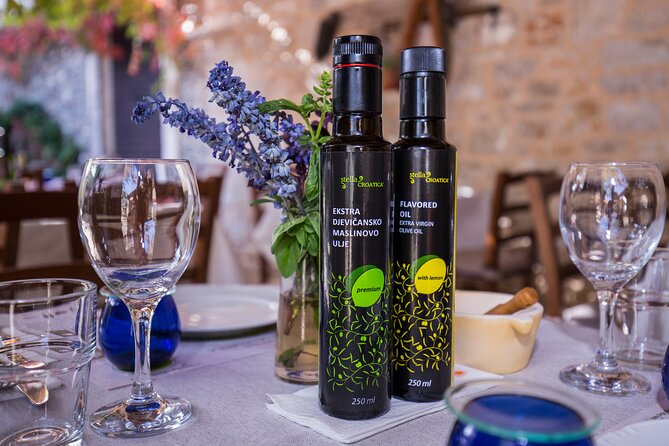
After the education and tasting, you shift into product experience. The tour includes trying out natural cosmetics, typically at the end of the guided portion when you’re finishing up with the estate’s concept shop.
This is practical for you. Instead of guessing from marketing language, you can test what the products feel like and how they work for you. It’s the same logic as tasting olive oil: you’re evaluating differences with your own senses.
I also appreciate that the cosmetics part fits the overall theme. Since the estate also works with essential oils, the cosmetics segment feels like an extension of the production story rather than a random add-on.
Up to the fortress and Roman Salona, more from Split


Traditional Gastro Delicacies and the Concept Store Finish
The tour wraps with sampling traditional gastro delicacies and time in the concept store. This part is where the experience becomes more “Dalmatian estate day” than museum tour.
Food sampling is included, so you don’t have to worry about finding snacks mid-tour. Once you’re done, you can then handle lunch on your own—this is where many people will book a meal at a traditional tavern after the experience.
The concept store is also where the experience becomes tangible. If you learned what to look for with extra virgin olive oil, you’ll likely feel more confident shopping the shelves. And if you enjoyed the cosmetics testing, you’ll know you’re buying something you’ve already had a chance to try.
Price and Timing: Is $17.98 Worth It for 1 Hour 15 Minutes?
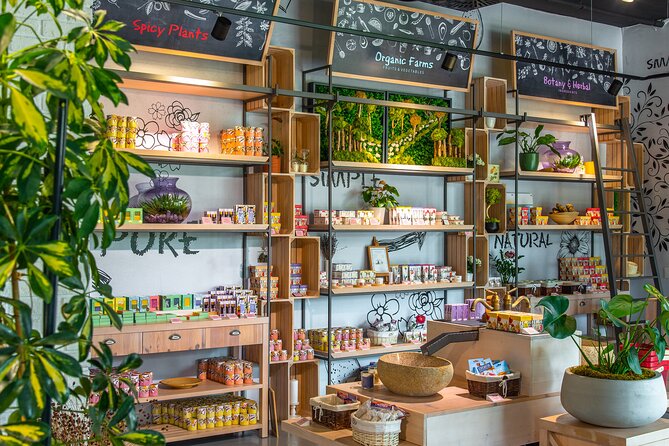
At $17.98 per person, the value comes from the mix of education plus included tastings and access to the museum setting. You’re paying for a guided experience with admission and structured sampling, not just entry to a shop.
The duration—about 1 hour 15 minutes—is short enough to fit easily into a half-day plan, but long enough to cover the big elements: museum viewing, olive oil education and tasting, essential oil distillery context, plus product testing and food samples.
If you’re the kind of traveler who hates “pay to watch” tours, this one is more hands-on. You’ll compare oils, taste food samples, and test natural cosmetics rather than sitting through long explanations with no payoff.
One practical consideration: if you’re the type who needs extra time to shop, budget a little extra on your schedule after the tour ends. The experience is meant to move, not to linger.
Getting to the Meeting Point in Klis (and Planning Lunch After)
The tour starts in Mihovilovići, 21231, Klis, Croatia, at 12:00 pm, and it ends back at the meeting point. That “back where you started” format is helpful because you don’t have to figure out a new endpoint after you finish.
It’s also described as near public transportation, which is a strong plus if you’re not renting a car. Still, since Klis is outside Split proper, I’d plan your route ahead so you arrive comfortably before the start time.
As for meals: lunch is not included. The good news is you can book a lunch in a traditional tavern once the tour ends, which lets you turn the tasting and education into a real local-food next step.
Small Group Energy: Up to 20 People Means More Interaction
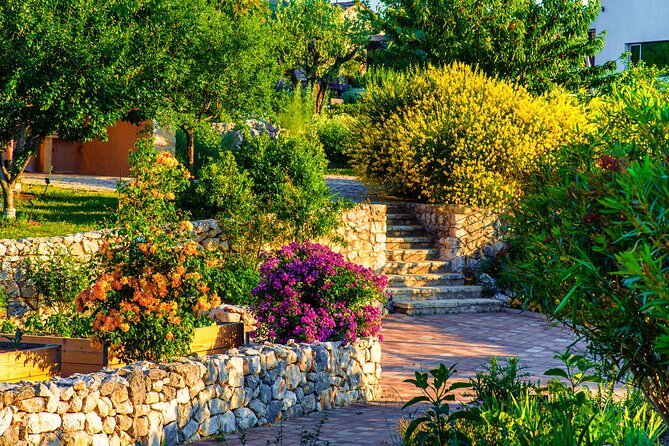
With a maximum of 20 travelers, this feels sized for actual guidance rather than a conveyor belt. Smaller groups usually make it easier to ask questions during tastings, and it keeps the “hands-on” parts from becoming chaotic.
The experience is also set up with a mobile ticket, which is convenient if you’re juggling multiple tours in one trip. Confirmation is received at booking, so you’re not left guessing about the basics.
The People Who Bring It to Life
A big part of the quality here is the staff approach. From the names shared in feedback, the team can include guides such as Ines, hosts like Dragica, and tasting staff such as Fani (sometimes referenced alongside Bonne in the team notes). When a tour has people who can explain and keep things fun, the tasting education lands better.
You’ll likely appreciate that the tone is engaging rather than formal. The goal is for you to leave with new skills for recognizing better olive oil and a practical understanding of how the estate products connect.
Who Should Book This Olive Museum and Olive Oil Tasting?
This is a strong fit if you want:
- A focused olive museum visit that actually teaches something you can use later
- Included tastings of different olive oils
- A feel for Dalmatian estate products, including natural cosmetics and traditional food samples
- A small-group tour that fits into a short time window
You might skip it if you’re looking for a long, sit-and-stay farm tour, or if you specifically want a very deep technical olive-processing course with no tasting component. This is education plus sampling, not an all-day production marathon.
Should You Book? My Verdict on Stella Croatica
If you like learning by doing—tasting, comparing, and trying—you’ll probably enjoy this. For the price, you’re getting admission to the Olive Museum, guided olive oil education with tasting, essential oil distillery context, and included sampling of traditional delicacies plus natural cosmetics testing.
The short duration is both a strength and a limit. It’s ideal for fitting into a day without wrecking your schedule, but it means you should plan to slow down at the concept store only if you have time after the tour.
If your ideal day includes olive oil education, practical recognition tips, and a few quality samples to bring home, this is an easy “yes” for most visitors.
FAQ
Where does the tour start and end?
The tour starts at Mihovilovići, 21231, Klis, Croatia and ends back at the same meeting point.
How long is the Stella Croatica tour?
The experience lasts about 1 hour 15 minutes.
What does the tour cost?
It costs $17.98 per person.
What is included in the experience?
The tour includes all fees and taxes, admission (an admission ticket is included), and the tasting elements described in the tour.
Is lunch included?
No. Lunch is not included, and you can book a lunch in a traditional tavern after the tour.
Is this a small group tour?
Yes. The maximum group size is 20 travelers.
Can I cancel and get a full refund?
Yes. You can cancel up to 24 hours in advance for a full refund. If you cancel less than 24 hours before the start time, the amount paid is not refunded.
More Tour Reviews in Split
- Split: Krka Waterfalls Trip with Boat Cruise and Swimming
★ 4.8 · 10,519 reviews - From Split: Krka Waterfalls, Food & Wine Tasting Tour
★ 5.0 · 9,326 reviews - Blue cave, Mamma Mia and Hvar, 5 islands speedboat tour
★ 5.0 · 7,150 reviews - From Split: Krka Waterfalls, Food & Wine Tasting Tour
★ 4.9 · 6,598 reviews - Split/Trogir: Blue Cave, Mamma Mia, Hvar and 5 Island Tour
★ 4.6 · 6,320 reviews
Fortress and Ruins Near Split
- Split: Sunset at Klis Fortress with Sightseeing Bus
★ 4.5 · 715 reviews - Split: Klis Fortress GOT and Olive Museum Entry Tickets
★ 4.6 · 283 reviews - Split: Blue Line Sightseeing to Trogir, Klis & Olive Museum
★ 4.3 · 197 reviews - Visit Klis fortress GOT & Olive museum Klis
★ 4.5 · 77 reviews - Split: Olive museum Klis with Olive Oil Tasting
★ 4.9 · 51 reviews
Wine and Konoba Nights, Split
- From Split: Krka Waterfalls, Food & Wine Tasting Tour
★ 5.0 · 9,326 reviews - From Split: Krka Waterfalls, Food & Wine Tasting Tour
★ 4.9 · 6,598 reviews - Krka National Park Tour with tour Guide & Wine tasting from Split & Trogir
★ 5.0 · 1,625 reviews - Split: Krka Waterfalls With Boat Cruise, Wine and Olive Oil
★ 4.3 · 1,507 reviews - Split/Trogir: Krka National Park Day Trip with Wine Tasting
★ 4.7 · 925 reviews
Still deciding? More Split trips we have been out and reviewed
Klis Fortress & Salona, compared.
 ★ 4.5Sunset at Klis Fortress with Sightseeing BusFrom $17715 reviews
 ★ 4.6Klis Fortress GOT and Olive Museum Entry TicketsFrom $14283 reviews
 ★ 4.3Blue Line Sightseeing to Trogir, Klis & Olive MuseumFrom $29197 reviews
 ★ 4.5Visit Klis fortress GOT & Olive museum KlisFrom $1477 reviews
 ★ 4.9Olive museum Klis with Olive Oil TastingFrom $1851 reviews
 ★ 4.5Sunset Klis Fortress Tour From Split with Sightseeing busFrom $1739 reviews
 ★ 5.0Trogir Old Town & Klis Fortress from SplitFrom $12238 reviews
 ★ 5.0Private Tour with Local Guide in Luxury VanFrom $15321 reviews
Browse the lists this tour appears in