
Reviewed · SPLIT FOOD TOURS
Food Tour in Split ( Small Group)
Split has a way of feeding you first.
This small group tour is built for real local eating: family shops, village-market produce, and old-school eateries, all paired with history you can actually use. I especially like that the route starts at the Green Market and ends with sweet traditions, and I also like that it’s guided by people who grew up in Split, so you get practical context, not generic facts. One thing to consider: like most seasonal Old Town plans, a stop or two can depend on opening hours when the season is quieter.
You’ll walk through the heart of Split while nibbling in stages—prosciutto and cheese alongside market-style bites, burek from a classic bakery style, then fish-market sights and smells, finishing with homemade-style sweets like fritula. It’s paced to keep you moving, but not so fast that you miss the story behind what you’re eating.
In This Review
- Key Highlights Worth Your Time
- A 2.5-Hour Old Town Route That Keeps You From Overthinking
- From St. Dominic to the Green Market: The Best Place to Start Hungry
- Peristyle Inside Diocletian’s Palace: History You Can Point To
- Burek Stop: Why This Pastry Is More Than a Snack
- Split Fish Market: The Smell, the Energy, and the Lessons
- The Sweet Finale: Family Shops and Fritula You’ll Remember
- Guides Who Actually Know Split Streets: Deedee, Bruno, and Gita Style
- What You’ll Eat: A Clear List Helps You Decide
- Price and Value: What $94 Buys You Here
- Who This Tour Fits Best (and Who Might Want Another Plan)
- Should You Book This Split Food Tour?
- FAQ
- How long is the Split small-group food tour?
- How big is the group?
- Where does the tour start?
- Where does the tour end?
- What foods are included in the tastings?
- Does the tour include a history stop?
- Is the tour guided in English?
- What’s the cancellation and payment flexibility?
Key Highlights Worth Your Time
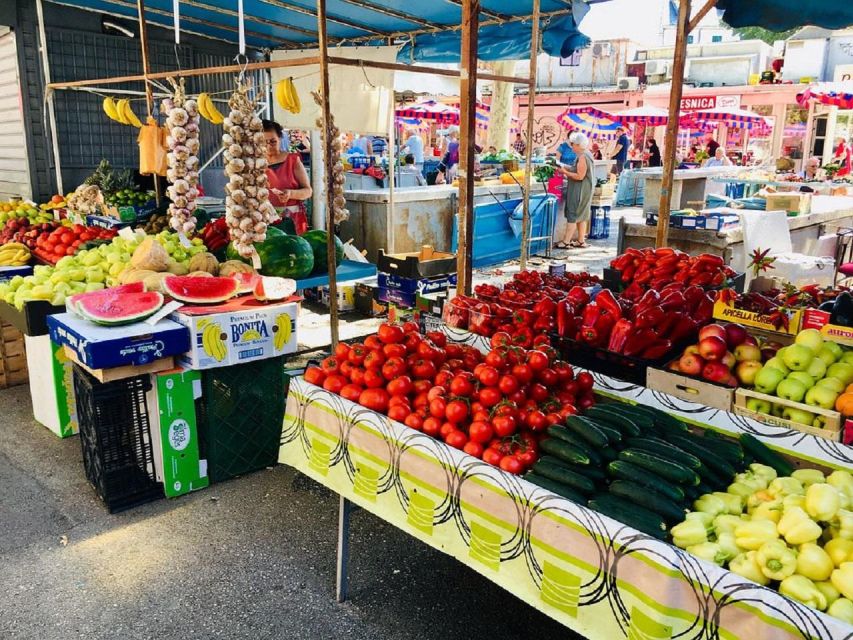
- Green Market start: you kick off at the market next to the meeting point, where farmers from nearby villages bring home-made products.
- Diocletian’s Palace interior stop: the walk includes the Peristyle, so you get the city’s big-picture history between food breaks.
- Burek, Split-style: you’ll try burek with options like minced meat and cheese in a rare central spot locals keep using.
- Fish market atmosphere: you’ll stop at the Split fish market to see the Mediterranean rhythm up close.
- Sweet finale: a family shop specializing in traditional sweets rounds out the experience with fritula.
Dalmatian plates: more food tours in Split
- Split History and Gastro Small-Group Tour with Food and Drinks★ 5.0 · 375 reviews
- All-inclusive Gastro Blue Cave Tour from Split★ 5.0 · 317 reviews
- Split: Historical & Gastro Treasures Tour with Green Market★ 4.9 · 144 reviews
- Split Cooking Class★ 5.0 · 142 reviews
A 2.5-Hour Old Town Route That Keeps You From Overthinking
Two and a half hours sounds short until you realize what’s packed into it: multiple tastings, two market-style stops, a Palace interior moment, and a sweet finish. The big win for you is that you don’t have to decide what to order or hunt for places yourself. You just show up hungry and follow the guide’s plan.
This is also a comfortable length for Split. You’re in the Old Town, so you’ll be walking on uneven streets and through crowded areas. A short tour like this helps you avoid the slow-motion fatigue that can happen when you try to do markets, museums, and meals all on your own in one day.
From St. Dominic to the Green Market: The Best Place to Start Hungry
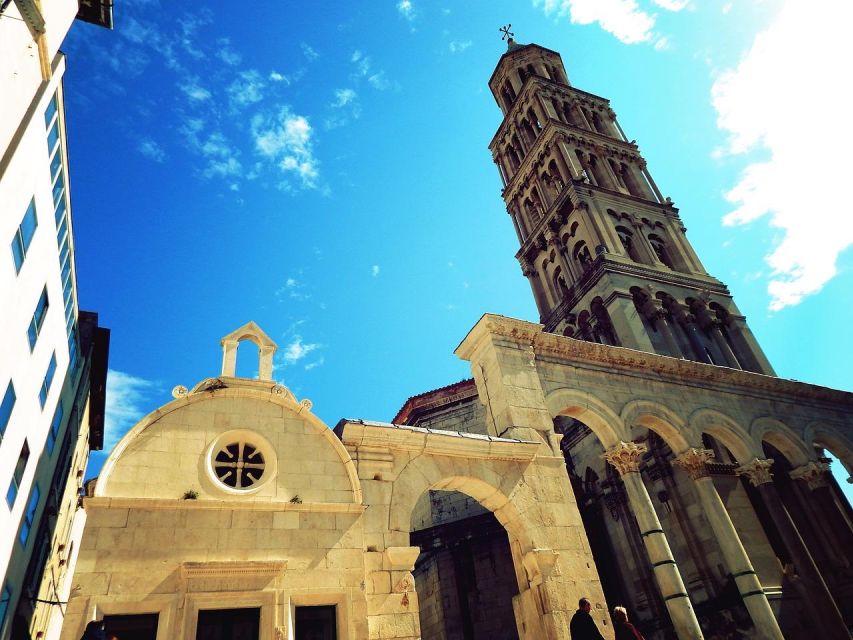
The tour begins at Hrvojeva 2 / in front of St. Dominic Church, across from the Silver Gates of Diocletian’s Palace. From there, the first true food hit is the Green Market right next to your meeting area.
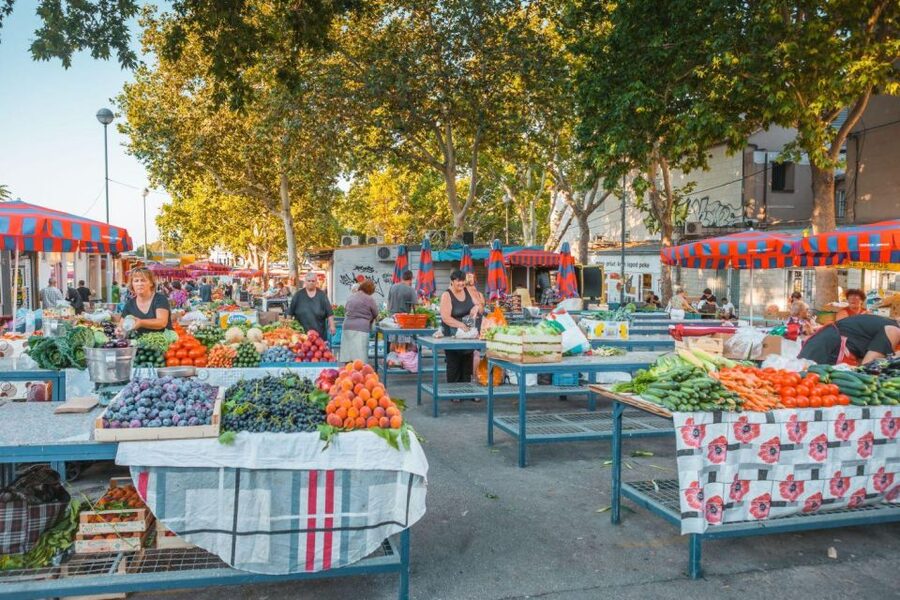
This start matters. Markets set the tone for Split eating because you see where the ingredients come from and how local people shop. Instead of trying to “tour” food from behind a menu, you get a feel for the home-made products farmers bring from surrounding villages.
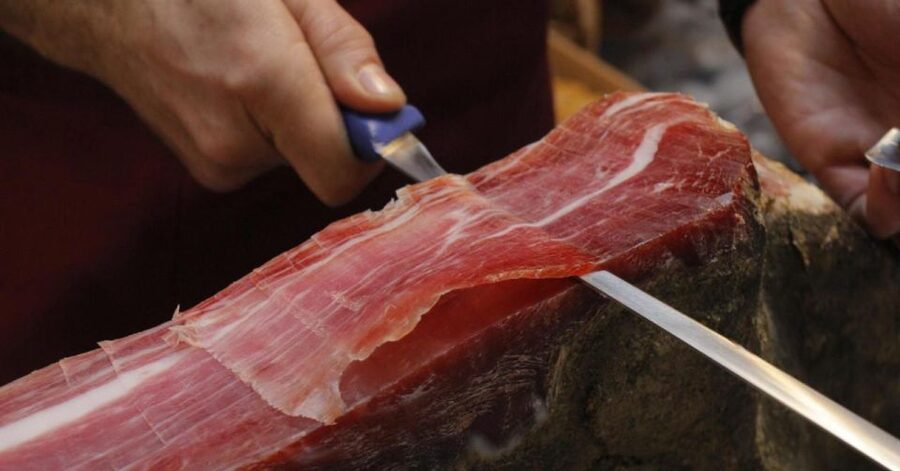
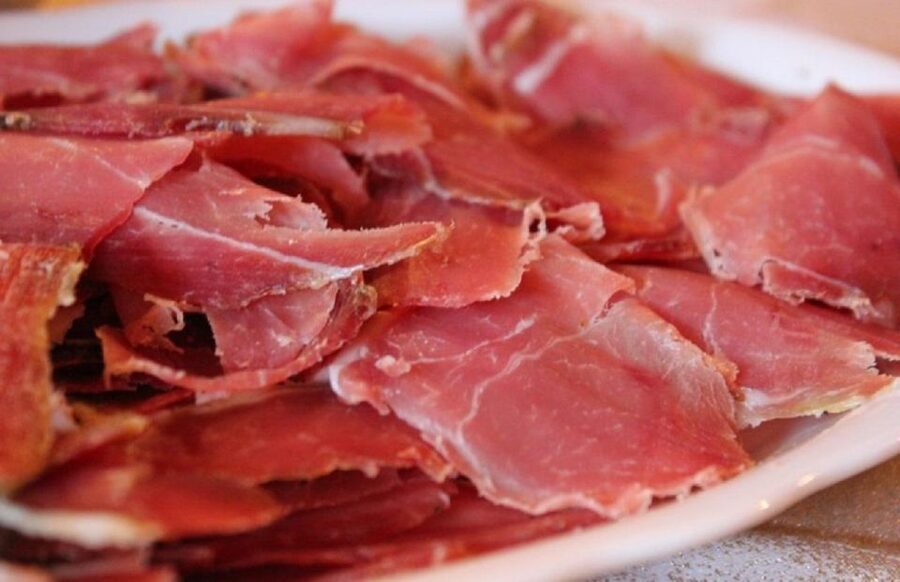
At the Green Market, you’ll taste traditional local items such as prosciutto, cheese, and soparnik. That trio alone helps you understand the region: cured meats and dairy do their job, while soparnik gives you a sense of how simple dough-and-greens cooking shows up in everyday tradition. Even if you’re not a super adventurous eater, this kind of first stop is a friendly on-ramp.
Practical tip: if you get full easily, pace your first tastings. The tour moves to multiple stops after this, so treat the market as your warm-up, not your final meal.
Peristyle Inside Diocletian’s Palace: History You Can Point To
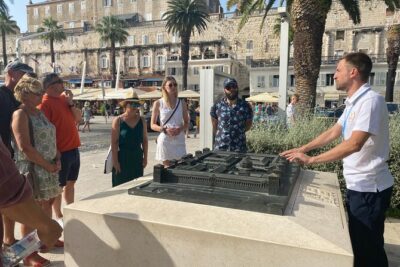
After the market, you’ll head toward the Peristyle inside Diocletian’s Palace for a short history stop. This isn’t a random detour. It’s timed so you can connect what you’re eating with where the city’s food story is living.
Split is layered—Roman roots, medieval life, and later influences all pressing into the same streets. By the time you’re standing in the Palace interior square, the guide’s explanations land better because you’ve already sampled local staples. Food stops become a way to understand the city’s movement and mixing over time.
If you like your history practical, this portion works. You’re not stuck with a long lecture. You’re in the space, you’re walking, and you’re translating the past into the present-day food culture you’re experiencing.
Burek Stop: Why This Pastry Is More Than a Snack
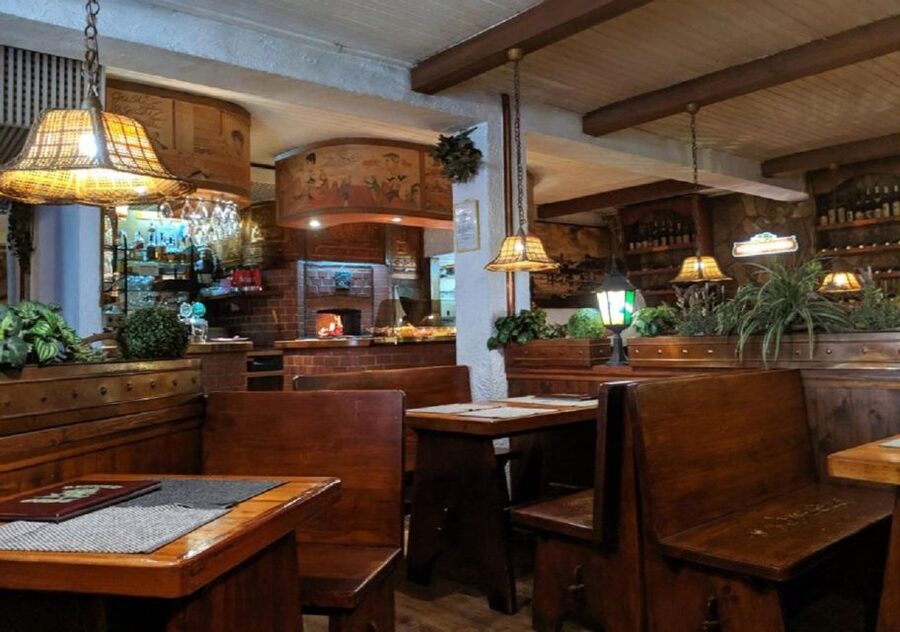
Next up is a rare place to eat in the center of Split—kept in an authentic style and visited by locals who keep coming back. Here you’ll try burek, a spiral-baked pastry made with layers of filo and savory fillings.
What makes this stop valuable for you is that burek is portable comfort food, but it also tells you something about how people feed themselves quickly without turning away from tradition. You’ll be able to taste versions with minced meat and cheese. The texture is usually the star: thin layers, hot oven bake, and filling that stays juicy without going heavy.
One thing I’d keep in mind: burek is rich. If you’ve eaten a lot at the Green Market, take a slower bite here. The tour doesn’t just feed you; it spaces out the heavy and the lighter so you don’t feel like you’re fighting your stomach before the fish market.
A few more Split boat days and tours worth a second look


Split Fish Market: The Smell, the Energy, and the Lessons
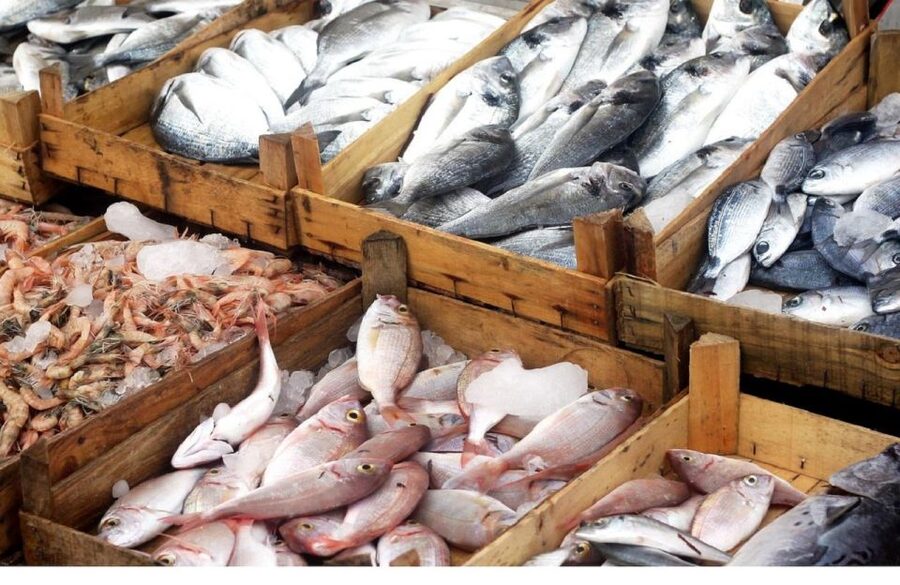
Then comes the Split fish market—the kind of Mediterranean place where you can feel the passion and buzz just by standing there. This is where the tour goes beyond food-only tasting and shows how the local food scene works day to day.
The guide uses this stop to talk about local gastronomic habits and how different cultures influenced what ends up on Split tables. Even if you’re not a seafood superfan, the fish market experience is useful because it explains the “why.” In places like this, fish isn’t a special occasion food; it’s part of the local rhythm.
You’ll also get food tastings here, not just a view. That’s a good balance: you’re seeing the setting while also learning how local vendors turn daily ingredients into quick bites.
Practical tip: fish-market areas can be busy and sometimes breezy. If you run cold easily, bring a light layer.
The Sweet Finale: Family Shops and Fritula You’ll Remember
After the fish market, the tour brings you to more local eating stops: another restaurant for tastings, then a local bakery where you’ll try more food, and finally you finish near Narodni trg.
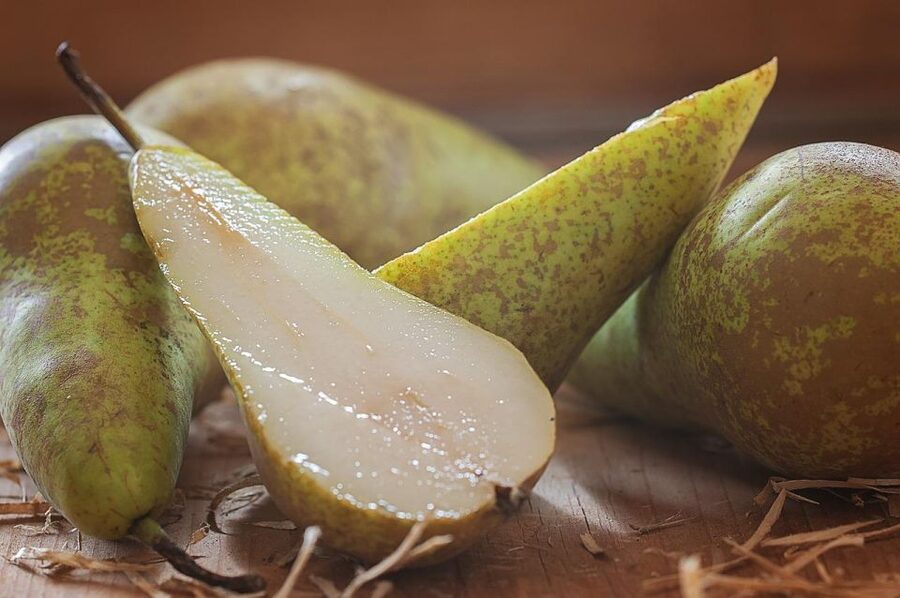
The final emphasis is sweets. The tour ends with a family shop specializing in traditional sweets, with the highlight being homemade fritula. Fritula is the kind of treat that feels festive without needing a huge production—small fried dough bites that match the idea of local comfort food.
This is also where the tour’s logic really shows. You get salty first (market staples and cured items), then savory comfort (burek), then the seaside food culture (fish market), and finally the sugar finish. If you’ve ever found that a meal ends and you wish you’d tried dessert from a local place, this tour handles that for you.
Guides Who Actually Know Split Streets: Deedee, Bruno, and Gita Style
This tour has one standout advantage: the people leading it understand Split from the inside. Names that come up include Deedee, Bruno, and Gita—and the common thread is how the guides mix friendliness with city knowledge.
Deedee is praised for friendly, likeable hosting and for making the whole experience feel personal. Bruno gets highlighted for a laid-back, relaxing vibe, plus an intimate sense of the streets and back alleys where the best food often lives. Gita is noted for being excellent, with the group-focused goal of making the tastings and history feel connected rather than separate.
For you, that matters because a good guide doesn’t just point at food. They translate it. They explain why people eat certain things and how the city’s layers show up in flavors. That’s the difference between a tasting and a food tour.
What You’ll Eat: A Clear List Helps You Decide
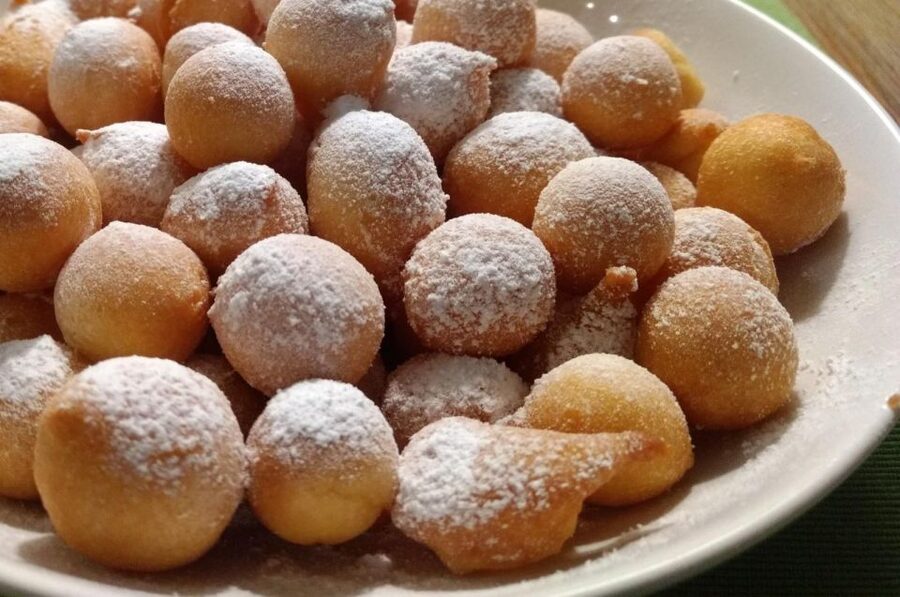
Based on what’s built into the tour, you can expect tastings that include:
- Market-style foods like prosciutto, cheese, and soparnik
- Burek with fillings such as minced meat and cheese
- Food tastings at the Split fish market
- A couple more tastings at local restaurants and a bakery
- Traditional sweets, including fritula
If you have dietary restrictions, this list is useful. The tour specifically includes meat and cheese examples in the tastings described. If you avoid these foods, double-check with the operator before you book so you’re not stuck with a half-skip experience.
Also remember: you’re not eating one full restaurant meal. You’re sampling in multiple rounds. If you like to go back later for a bigger dinner, this tour is a strong way to build appetite without feeling stuffed too early.
Price and Value: What $94 Buys You Here
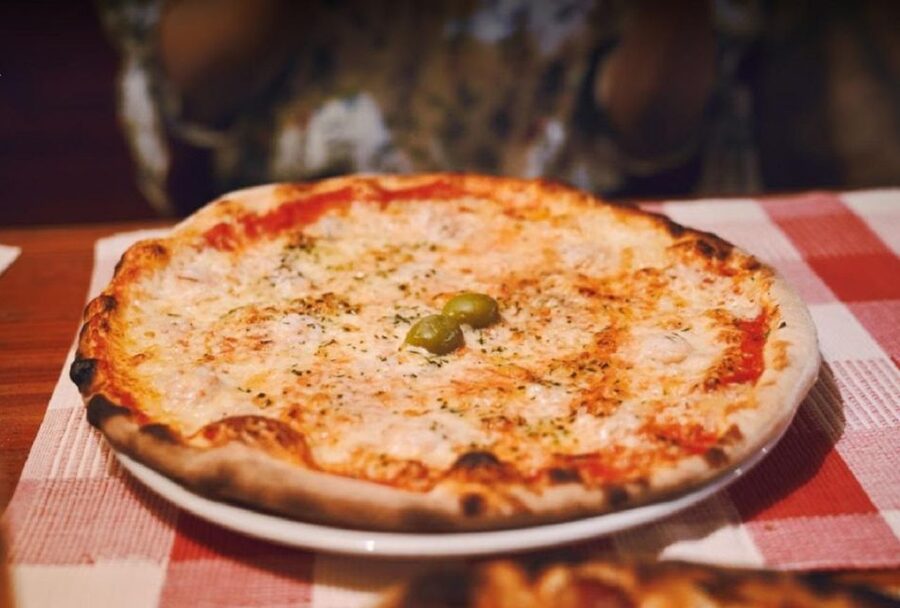
At $94 per person, the question isn’t just the price—it’s what you get for it. You’re paying for a professional guide and for all the food tastings included across several stops: a market, a Palace-related history moment, a classic burek stop, a fish market stop, plus more restaurant and bakery tastings, ending with sweets.
That’s the value logic. If you tried to copy this on your own, you’d be paying for multiple meals or multiple snacks anyway, and you’d still need to figure out what to order and where to go. Here, someone handles the timing and the selection, and the food comes in a guided story sequence.
You also get a small group size (limited to 10 participants). Less crowd pressure usually means you can ask questions and actually hear the guide while standing in busy places like markets.
Who This Tour Fits Best (and Who Might Want Another Plan)
This tour fits you if you like:
- Eating your way through the Old Town
- Getting history in short, visual chunks while walking
- Trying local staples you might not know how to order alone
- A relaxed group size where the guide can work with you
You might want a different option if you’re looking for a long sit-down meal, or if you’re sensitive to rich pastries and fried sweets since the tour includes burek and fritula.
One more practical consideration: one guide-led experience note mentioned that some restaurants can be closed during quieter periods. That doesn’t mean the tour won’t work; it means you should accept that seasonal timing can affect which exact eateries are open at that moment.
Should You Book This Split Food Tour?
Yes—if you want the fastest, friendliest way to understand Split through food. The route is logical: start at the Green Market, connect the city’s story inside Diocletian’s Palace, hit a classic burek stop, see the fish market world up close, and close with traditional sweets like fritula. With a small group and guides who know the city personally, you get more than tasting; you get context.
Skip it only if you prefer to plan meals independently for your own pace, or if your diet is so restricted that you can’t confidently handle tastings built around prosciutto, cheese, burek, and fritula.
FAQ
How long is the Split small-group food tour?
It runs for about 2.5 hours.
How big is the group?
It’s limited to a small group of up to 10 participants.
Where does the tour start?
The meeting point is in front of St. Dominic Church, across from the Silver Gates of Diocletian’s Palace.
Where does the tour end?
The activity ends back at the meeting point area, and the route finishes at Narodni trg.
What foods are included in the tastings?
All food you taste is included, including items like prosciutto, cheese, soparnik, burek (with minced meat and cheese options), tastings at the fish market, and traditional sweets such as fritula.
Does the tour include a history stop?
Yes. You’ll stop at the Peristyle inside Diocletian’s Palace, with history shared by the guide.
Is the tour guided in English?
Yes, the live guide speaks English.
What’s the cancellation and payment flexibility?
Free cancellation is available up to 24 hours in advance for a full refund, and you can reserve now and pay later (paying nothing today).
More Tours in Split
- From Split: Krka Waterfalls, Food & Wine Tasting Tour
★ 5.0 · 9,326 reviews - Blue cave, Mamma Mia and Hvar, 5 islands speedboat tour
★ 5.0 · 7,150 reviews - From Split: Krka Waterfalls, Food & Wine Tasting Tour
★ 4.9 · 6,598 reviews - Split/Trogir: Blue Cave, Mamma Mia, Hvar and 5 Island Tour
★ 4.6 · 6,320 reviews - Blue Cave and Hvar Tour – 5 Islands Tour from Split and Trogir
★ 5.0 · 4,815 reviews
More Tour Reviews in Split
- Split: Krka Waterfalls Trip with Boat Cruise and Swimming
★ 4.8 · 10,519 reviews - From Split: Krka Waterfalls, Food & Wine Tasting Tour
★ 5.0 · 9,326 reviews - Blue cave, Mamma Mia and Hvar, 5 islands speedboat tour
★ 5.0 · 7,150 reviews - From Split: Krka Waterfalls, Food & Wine Tasting Tour
★ 4.9 · 6,598 reviews - Split/Trogir: Blue Cave, Mamma Mia, Hvar and 5 Island Tour
★ 4.6 · 6,320 reviews
Where Split Eats
- Split Food Tour: Discover Split One Bite At A Time
★ 5.0 · 433 reviews - Split History and Gastro Small-Group Tour with Food and Drinks
★ 5.0 · 375 reviews - All-inclusive Gastro Blue Cave Tour from Split
★ 5.0 · 317 reviews - Split: Historical & Gastro Treasures Tour with Green Market
★ 4.9 · 144 reviews - Split Cooking Class
★ 5.0 · 142 reviews
Still deciding? More Split trips we have been out and reviewed
Split Food Tours, compared.
 ★ 5.0Discover Split One Bite At A TimeFrom $145433 reviews
 ★ 5.0Split History and Gastro Small-Group Tour with Food and DrinksFrom $139375 reviews
 ★ 5.0All-inclusive Gastro Blue Cave Tour from SplitFrom $247317 reviews
 ★ 4.9Historical & Gastro Treasures Tour with Green MarketFrom $135144 reviews
 ★ 5.0Split Cooking ClassFrom $211142 reviews
 ★ 4.8Small Group Food Tour with Private OptionFrom $58116 reviews
 ★ 5.04-Hour Dalmatian Food and Wine flavors Experience in Split PatioFrom $14597 reviews
 ★ 5.0Culinary Experience – Cooking Class & Walking Tour SplitFrom $33642 reviews
Browse the lists this tour appears in