
Reviewed · TROGIR OLD TOWN TRIPS
Best of Split & Trogir: Private VIP Tour with Local Guide
Split and Trogir in one smooth day? That’s the big draw. You’ll move from the heart of Diocletian’s Palace to the UNESCO-protected streets of Trogir, with a local guide helping you see the meaning behind the stones. You also get the fun, very specific moments like the Grgur Ninski statue and its famous worn toe.
What I like most is the pairing: Saint Domnius Cathedral (still in use in its original structure) alongside Trogir’s Venetian-leaning old town squares. The second big win is how the route concentrates on standout stops in about six hours, so you’re not wandering from one random landmark to another.
One consideration: several entrances are not included (like the Diocletian Palace substructures, plus key Trogir stops such as St. Lawrence’s Cathedral and the Kamerlengo Fortress). So check your plans for onsite tickets before you go, especially if you’re trying to keep costs predictable.
In This Review
- Key highlights you’ll feel on the ground
- Entering Diocletian’s Palace through the Peristyle
- Saint Domnius Cathedral and the living face of Split
- Grgur Ninski: the statue toe you can’t ignore
- The Temple of Jupiter in the palace complex
- Diocletian’s Palace substructures: the basement halls you should see
- Crossing from Split to Trogir’s central square (UNESCO style)
- St. Lawrence’s Cathedral: why it shows multiple eras
- Kamerlengo Fortress: Venetian defense plus smart viewpoint time
- Town Loggia and civic life in Trogir
- Palace Cipiko: Gothic-Renaissance wealth in one facade
- How long it takes and how the 6 hours feel
- Price and value: is $228.78 per person a good deal?
- Who this tour suits best
- Should you book this Split and Trogir VIP day?
- FAQ
- What’s the duration of this Split and Trogir tour?
- Is pickup available?
- Is the tour private or group-based?
- What language is the tour offered in?
- Are tickets included for all stops?
- How long do stops usually last?
- Do you get a mobile ticket?
- Can I bring a service animal?
- What if I need to cancel?
- Is the tour suitable for most people?
Key highlights you’ll feel on the ground
- Peristyle first, then the stories: a quick “center of the palace” start that makes everything else click.
- Saint Domnius stays in service: you’re not just looking; you’re stepping into a cathedral still used in its original form.
- Gregory of Nin’s toe tradition: the statue’s smooth toe is there for a reason, and you’ll see it up close.
- Temple of Jupiter within the palace walls: a compact Roman stop that’s easy to miss on your own.
- Trogir’s squares and loggias: civic life in a small town scale, plus major viewpoints.
- Guides who manage crowds: guides like Kristina and Andrea are singled out for making navigation easier and explanations clearer.
On your own schedule: more private tours in Split
- SPLIT-PRIVATE Walking Tour of Diocletian’s Palace & Old Town★ 5.0 · 467 reviews
- Private Krka Waterfalls tour with 30min Boat Cruse★ 4.0 · 458 reviews
- Split by Private Electric Rickshaw – Palace & Hidden Gems★ 5.0 · 412 reviews
- Private Blue cave, Mamma Mia and Hvar, 5 islands tour from Split★ 5.0 · 387 reviews
Entering Diocletian’s Palace through the Peristyle
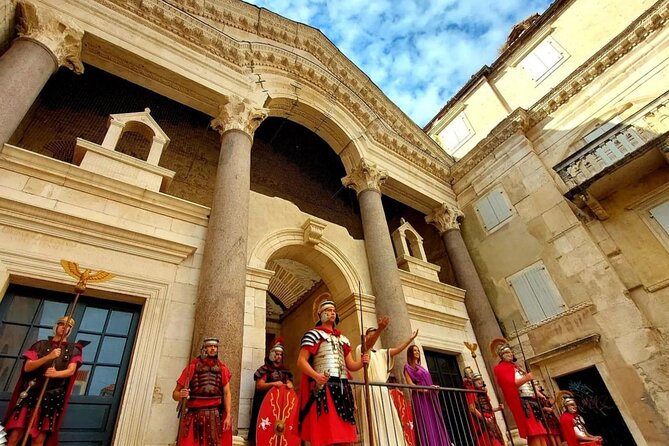
Your day starts where you should start: at the Peristyle of Diocletian’s Palace. This rectangular open court sits at the crossroads of the palace’s main roads. In other words, it’s the palace’s “traffic hub,” and also its heart.
Even if you’ve seen photos, you’ll appreciate how the space works. The columns frame the courtyard, and your guide can point out how the palace layout shapes what you see next. You get about 15 minutes here, with admission listed as free, so it’s not a long stop—more like a fast orientation tool.
Practical tip: wear shoes you can walk in without thinking. Diocletian’s Palace is the kind of place where you’re constantly turning a corner, looking up, then stepping sideways to keep moving.
Saint Domnius Cathedral and the living face of Split
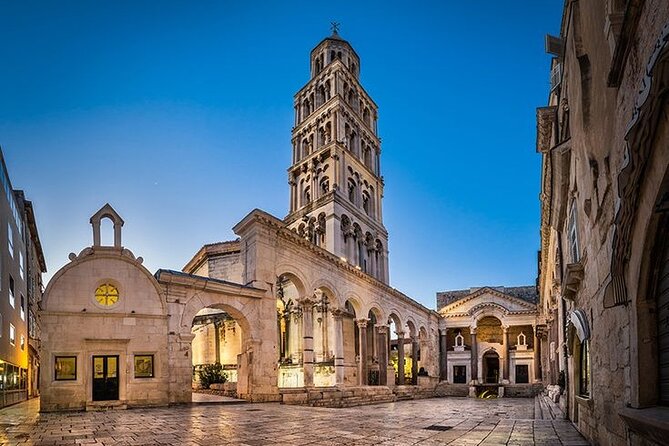
A short walk from the Peristyle, you reach the Cathedral of Saint Domnius (Sveti Duje). It’s consecrated at the turn of the 7th century AD, and it’s famous for something unusual: it’s considered the oldest Catholic cathedral in the world that remains in use in its original structure, with far less later renovation than you might expect.
Then there’s the bell tower, which dates to the 12th century. That mix gives you a sense of time layers without turning the visit into a museum lecture. With about 15 minutes, you’ll have just enough time to appreciate the building’s role, not just its appearance.
If you like religious architecture, this stop delivers. If you don’t, the payoff is still there because the guide’s explanation helps you understand why people keep showing up here long after the first tour photo.
Grgur Ninski: the statue toe you can’t ignore
Next comes one of Split’s easiest “wow” moments: the Grgur Ninski statue. It’s about 8.5 meters tall (roughly 28 feet) and is by Ivan Meštrović. It’s the kind of landmark people naturally gravitate toward because there’s a tradition wrapped into it.
The toe has been rubbed smooth over time, and the idea is that it brings good luck. When you see the toe in person, it’s not just a quirky story. It’s evidence of daily human habits—tourists and locals doing the same small ritual for decades.
This is another listed stop with free admission, around 15 minutes. It’s short, but it gives your eyes and brain a break from stone-and-columns seriousness. It also acts like a natural photo checkpoint before you head further into the palace area.
The Temple of Jupiter in the palace complex
Inside the Diocletian’s Palace zone, you’ll stop at the Temple of Jupiter (Jupiterov hram). The Roman context matters here: it was built between 295 and 305, during the construction of Diocletian’s Palace.
What’s helpful about this stop is scale. The temple sits in the western part near the Peristyle, so you’re not losing time crossing the city. The guide can explain how the palace wasn’t just a residence; it was a complete imperial environment with religious symbolism too.
Time-wise, it’s around 15 minutes. That’s perfect if you want a strong “Roman pulse” without spending your whole day on deep reading or long indoor detours.
Stone streets of Trogir, more trips from Split



Diocletian’s Palace substructures: the basement halls you should see
One of the more interesting “different” parts of the day is the Diocletian Palace Substructures (Cellars of Diocletian’s Palace), often called the basement halls. This is at the southern end of the palace—now part of the southernmost area of Split’s old grade (Stari grad).
Here’s the value: these substructures once supported Diocletian’s private apartments above, and they’re considered one of the best preserved complexes of their kind in the world.
Admission here is listed as not included, and the stop is about 15 minutes. That matters because you should budget time for any onsite ticketing process. If you’re trying to keep the day predictable, I’d plan to pay without fuss so you don’t end up watching your schedule get squeezed.
What you’ll likely appreciate most is the “hidden” feel. You’re looking at the underbelly of the palace—literally and conceptually—so the palace changes from a postcard to a functioning structure.
Crossing from Split to Trogir’s central square (UNESCO style)
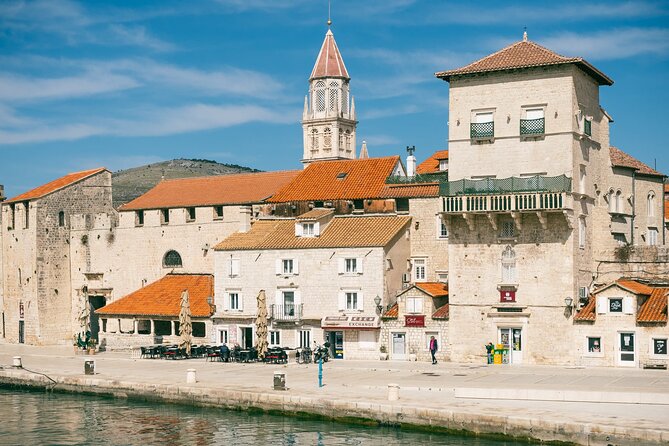
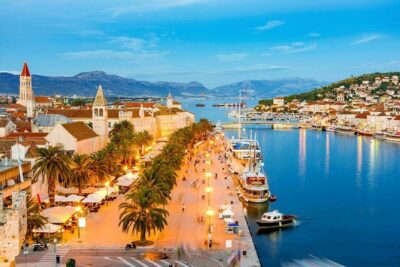
Then it’s off to Trogir, a small port city in central Dalmatia that has an old town included in UNESCO monuments. Even on a tight day, Trogir feels different from Split: smaller, more compact, and with a Venetian-leaning vibe.
The first major Trogir stop is the Central Square (John Paul II Square). It’s the main square of the old town and sits surrounded by big-name landmarks like the Loggia and the Clock Tower.
You’ll get about 15 minutes here with free admission. This is one of those moments where you can slow down a touch and let the town shape your pace. Then you move into the more specific buildings.
St. Lawrence’s Cathedral: why it shows multiple eras
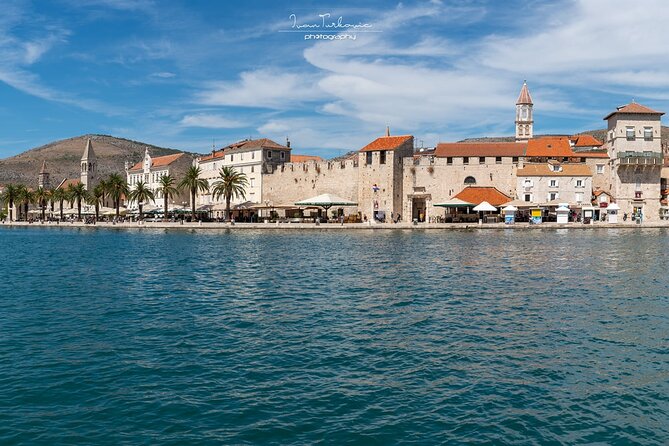
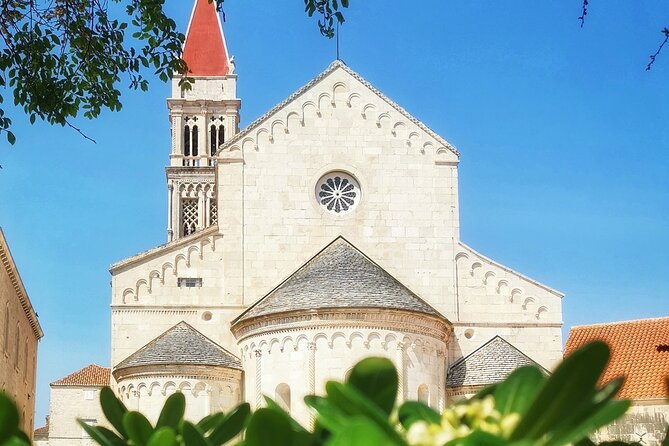
Next up is Saint Lawrence’s Cathedral (Katedrala Sv. Lovre). It’s a Roman Catholic triple-naved basilica built in Romanesque-Gothic style. One reason it stands out is the timing: construction lasted several centuries, so you can see successive styles in the architecture.
Admission is listed as not included, and the stop is about 15 minutes. So treat this as a “shape recognition” visit: look at how the building reads as one work, but with different design eras layered in.
If you enjoy architecture, you’ll get a lot in a short time. If you’re not, the guide’s focus on the cathedral’s main features can still make it worthwhile because the building’s purpose is clear: it’s Trogir’s most imposing monument.
Kamerlengo Fortress: Venetian defense plus smart viewpoint time
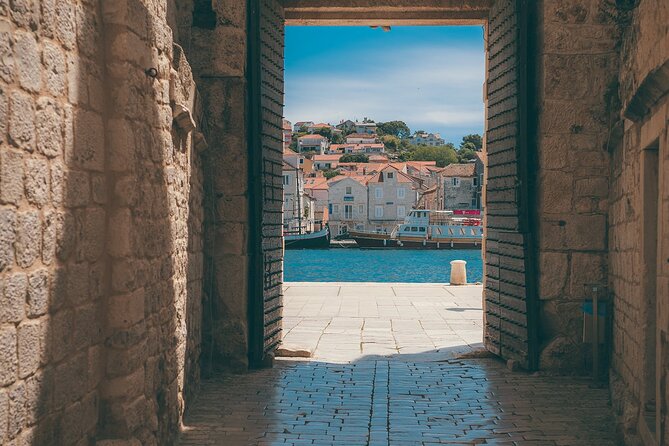
For views and a sense of why Trogir mattered, you’ll go to Kula Karmelengo (the Kamerlengo Fortress). It’s a 15th-century coastal fortress built during Venetian rule to protect Trogir from naval attacks.
Today it’s all about the payoff: beautiful views over the old town, the marina, and nearby islands. The timing is about 15 minutes, and admission is listed as not included.
This is a good stop for photos, but also for understanding. A fortress visit can easily become just “pretty view.” Here, the Venetian defense angle gives context to what you’re seeing.
Practical tip: bring a light layer if it’s breezy. Coastal spots can flip from warm to cool fast.
Town Loggia and civic life in Trogir
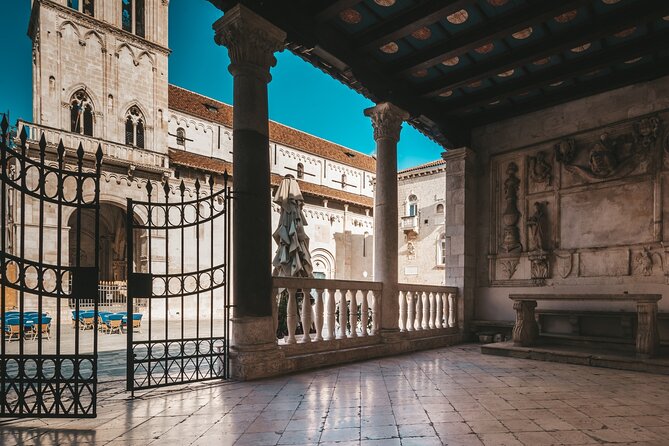
Back in town, you’ll hit the Town Loggia. It served as a public meeting place where important decisions were announced and legal matters discussed. In a compact old town like Trogir, that’s a useful way to understand who held power day to day.
This stop is listed with free admission and about 15 minutes. The big value isn’t only the building itself—it’s what it represents. You get a shift from royal-imperial Split to civic Trogir.
If you like places where everyday governance happened, this one tends to feel surprisingly satisfying.
Palace Cipiko: Gothic-Renaissance wealth in one facade
The last named stop in Trogir is Palace Cipiko (Čipiko Palace). It’s the largest residential palace in town and a strong example of Gothic-Renaissance architecture.
It belonged to the Čipiko family, and it shows the wealth and power of Trogir’s noble past. Admission is listed as not included, and time is about 15 minutes.
Even if you only get a quick look, this stop helps “complete the picture” of Trogir. You’ve seen civic space (Loggia), church authority (St. Lawrence), and maritime defense (Kamerlengo). Palace Cipiko brings in the social and economic side.
How long it takes and how the 6 hours feel
The tour runs about 6 hours. It’s designed to hit major sites efficiently rather than linger. That can be exactly right if you want a highlight day, but it also means each stop is short—often around 15 minutes.
The smart tradeoff is that a local guide helps you avoid time-wasting confusion. Guides like Kristina and Andrea are praised for making explanations easy to follow and for helping navigate crowds.
Tip: plan your day around this tour, not the other way around. With only a few hours to spare afterward, you’ll enjoy having energy left for a slower meal in Trogir or an easy walk after you return to Split.
Price and value: is $228.78 per person a good deal?
At $228.78 per person, this is not a budget tour. It’s also not trying to be. This price makes sense if you want a private VIP experience with pickup offered, an English-speaking local guide, and the convenience of a mobile ticket.
Here’s how I judge value for a day like this:
- You’re paying for time saved and confusion avoided, especially inside Diocletian’s Palace where crowds can slow you down.
- You’re paying for context: why Peristyle matters, why Saint Domnius is unusual, and why the Jupiter Temple and substructures fit together.
- You’re also getting a structured route that spans Split and Trogir, which are a common pairing for a single day—but harder to do smoothly on your own.
The only true value caveat is the onsite entrances that are not included. Still, the mix of free stops (many around the palace and central Trogir square) helps keep things balanced.
If you’re traveling as a small group and can benefit from group discounts, it can feel even more reasonable for what you get.
Who this tour suits best
This fits best if you:
- Want a tight, high-impact day with two towns instead of one.
- Prefer a guide who can explain what you’re looking at without turning it into a textbook.
- Would rather spend your time walking between important stops than trying to plan the order and find the right entrances.
It’s also a solid choice if you’re visiting in a busier season and want help navigating crowds. That’s been a standout point for guides like Andrea.
If you’re the type who likes long museum-style visits and deep free time at one site, you might find the stop lengths a bit quick. In that case, you may want a more site-focused tour instead.
Should you book this Split and Trogir VIP day?
I’d book it if you want one day that makes Split and Trogir feel like connected chapters of the same region. The Peristyle-to-Saint Domnius sequence gives you a strong anchor in Split, and the switch to Trogir’s squares, loggias, and views keeps the day moving without feeling random.
I’d think twice if you’re mainly chasing one or two specific buildings and don’t want to pay for a structured route where some key entrances aren’t included.
A good middle approach: if you’re already excited by Diocletian’s Palace and you also want the Venetian-leaning feel of Trogir, this is the kind of tour that saves you planning headaches and maximizes the “I get it now” feeling.
FAQ
What’s the duration of this Split and Trogir tour?
It runs for about 6 hours.
Is pickup available?
Yes, pickup is offered.
Is the tour private or group-based?
It’s a private tour/activity. Only your group participates.
What language is the tour offered in?
The tour is offered in English.
Are tickets included for all stops?
Not for all stops. Some stops list admission as free, while others (like Diocletian Palace substructures and several Trogir sites) list admission as not included.
How long do stops usually last?
Many stops are listed at around 15 minutes each.
Do you get a mobile ticket?
Yes, a mobile ticket is offered.
Can I bring a service animal?
Service animals are allowed.
What if I need to cancel?
You can cancel up to 24 hours in advance for a full refund.
Is the tour suitable for most people?
Most travelers can participate, and it’s noted as near public transportation.
More Tour Reviews in Split
- Split: Krka Waterfalls Trip with Boat Cruise and Swimming
★ 4.8 · 10,519 reviews - From Split: Krka Waterfalls, Food & Wine Tasting Tour
★ 5.0 · 9,326 reviews - Blue cave, Mamma Mia and Hvar, 5 islands speedboat tour
★ 5.0 · 7,150 reviews - From Split: Krka Waterfalls, Food & Wine Tasting Tour
★ 4.9 · 6,598 reviews - Split/Trogir: Blue Cave, Mamma Mia, Hvar and 5 Island Tour
★ 4.6 · 6,320 reviews
Trogir, Stone by Stone
- Split/Trogir: Blue Cave, Mamma Mia, Hvar and 5 Island Tour
★ 4.6 · 6,320 reviews - Blue Cave and Hvar Tour – 5 Islands Tour from Split and Trogir
★ 5.0 · 4,815 reviews - Krka Waterfalls Day Tour with Boat Ride from Split and Trogir
★ 5.0 · 2,134 reviews - Krka Waterfalls tour with Trogir Walking tour and Krka panoramic boat cruise
★ 5.0 · 1,659 reviews - Krka National Park Tour with tour Guide & Wine tasting from Split & Trogir
★ 5.0 · 1,625 reviews
Just Your Group in Split
- SPLIT-PRIVATE Walking Tour of Diocletian’s Palace & Old Town
★ 5.0 · 467 reviews - Private Krka Waterfalls tour with 30min Boat Cruse
★ 4.0 · 458 reviews - Split by Private Electric Rickshaw – Palace & Hidden Gems
★ 5.0 · 412 reviews - Private Blue cave, Mamma Mia and Hvar, 5 islands tour from Split
★ 5.0 · 387 reviews - The Best of Split Private Tour
★ 5.0 · 338 reviews
Still deciding? More Split trips we have been out and reviewed
Trogir Old Town Trips, compared.
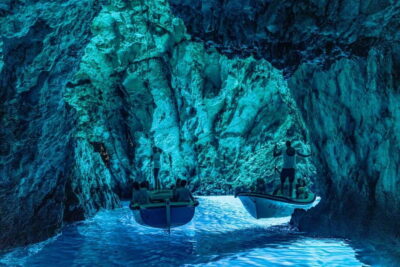 ★ 4.6Blue Cave, Mamma Mia, Hvar and 5 Island TourFrom $1096,320 reviews
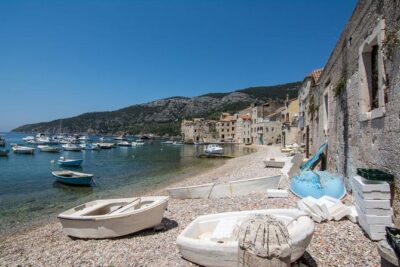 ★ 5.0Blue Cave and Hvar Tour – 5 Islands Tour from Split and TrogirFrom $1204,815 reviews
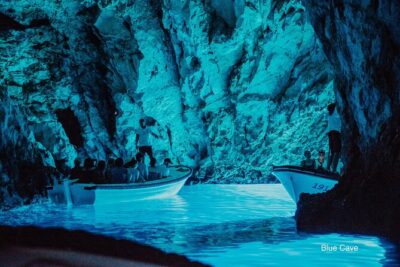 ★ 5.0Blue cave, Mama Mia and Hvar, 5 island speedboat tour from TrogirFrom $1112,861 reviews
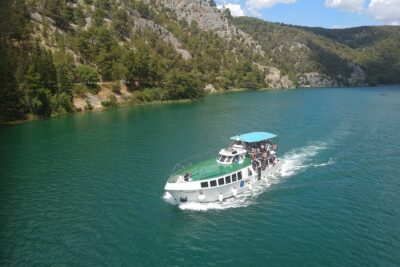 ★ 5.0Krka Waterfalls Day Tour with Boat Ride from Split and TrogirFrom $322,134 reviews
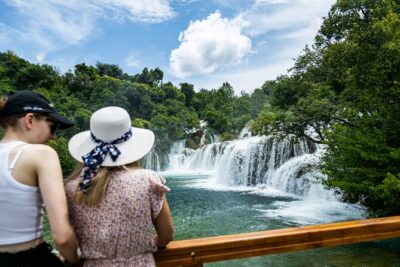 ★ 5.0Krka Waterfalls tour with Trogir Walking tour and Krka panoramic boat cruiseFrom $481,659 reviews
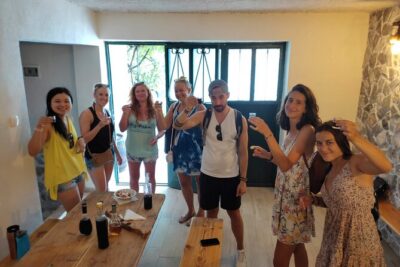 ★ 5.0Krka National Park Tour with tour Guide & Wine tasting from Split & TrogirFrom $501,625 reviews
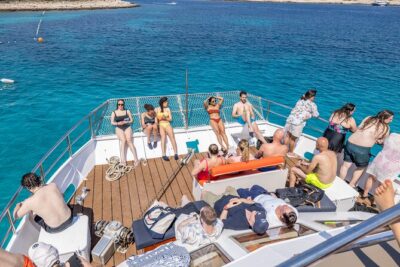 ★ 4.5Hvar, Brač & Pakleni islands cruise with lunch & drinks from Split & TrogirFrom $951,452 reviews
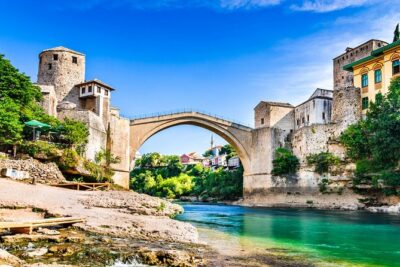 ★ 5.0Mostar and Herzegovina Tour with Kravica Waterfall from Split & TrogirFrom $841,217 reviews
Browse the lists this tour appears in