

Reviewed · SPLIT WINE & KONOBA TASTINGS
Split&Sip: Educational wine tasting
Croatia’s wine lesson comes with snacks. Split&Sip is set in the heart of Split city-center, right by the National Theatre, and it turns an educational wine tasting into a relaxed, hands-on experience.
What I like most is how the tasting is built for real people, not wine-snobs. You’ll get clear guidance from hosts such as Sven or Marina, and you’ll also learn the “why” behind Croatian bottles, including how regions and climate affect what ends up in your glass.
One thing to keep in mind: the session is short (about an hour), so if the guide is moving briskly between wines, you may not get the same depth of attention for every pour.
In This Review
- Key things that make Split&Sip worth your time
- Split’s National Theatre setting: simple, central, and easy to find
- What you actually get: the tasting format and the included bites
- The educational part: learning Croatian wines without getting lectured
- The guide matters: Sven, Marina, and the human touch
- Duration and pacing: how to judge the one-hour rhythm
- Food pairing in Split: cheese, prosciutto, olives, and tapenade
- Price and value: why $56 can make sense in Split
- Who should book this educational wine tasting?
- Timing tips for fitting Split&Sip into your day
- The bottom line: should you book Split&Sip?
Key things that make Split&Sip worth your time
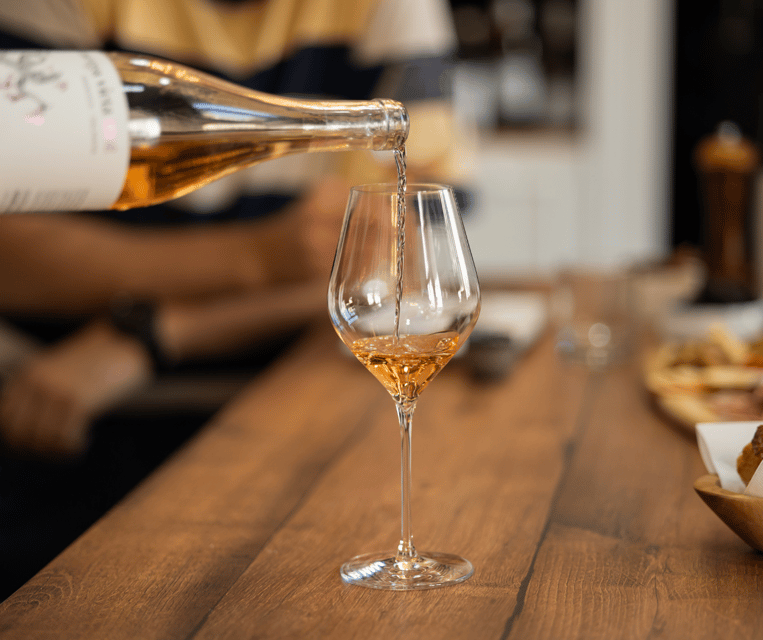
Prime location by the National Theatre in Split
Wine tasting plus food: local cheeses, prosciutto, olives, and tapenade
Educational focus on Croatian regions and how climate shapes flavor
Guides can adapt when dietary needs come up
You may end up with a more personal feel if the group is very small
Konoba and cellar: more wine tastings around Split
- From Split: Krka Waterfalls, Food & Wine Tasting Tour★ 5.0 · 9,326 reviews
- From Split: Krka Waterfalls, Food & Wine Tasting Tour★ 4.9 · 6,598 reviews
- Krka National Park Tour with tour Guide & Wine tasting from Split & Trogir★ 5.0 · 1,625 reviews
- Split: Krka Waterfalls With Boat Cruise, Wine and Olive Oil★ 4.3 · 1,507 reviews
Split’s National Theatre setting: simple, central, and easy to find
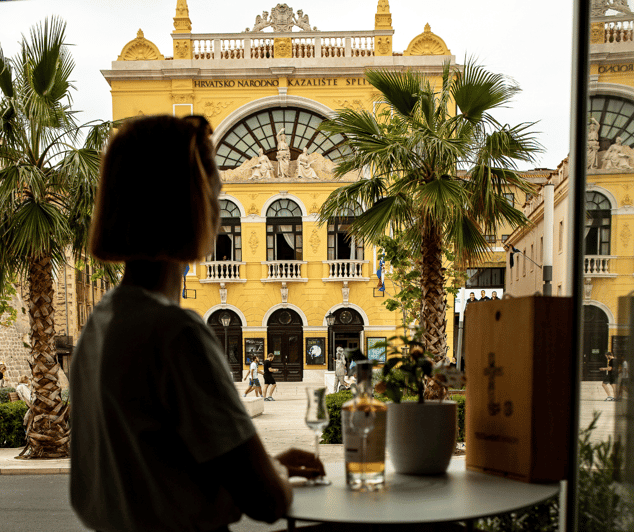
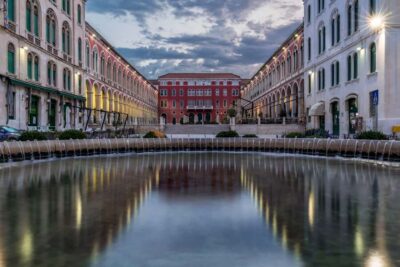
Split&Sip has the kind of location that makes you feel instantly oriented. The wine shop sits in central Split, next to the National Theatre, so you’re not hunting across town after a long walk by the water.
If you’re mapping it out, the listed starting point includes Trg Gaje Bulata (and Trg Gaje Bulata 6). In practice, the exact meeting spot can vary a bit depending on which option you book, but you’ll still be starting from the same central zone.
For a tasting, that matters. You can arrive, settle in, and taste without racing the clock or mixing it up with transport plans. Also, if your afternoon in Split gets packed, this kind of “stop-in” experience is easier to fit than a full-day tour.
What you actually get: the tasting format and the included bites
This isn’t just a pour-and-go situation. The core experience is a wine tasting guided by a live host (Croatian or English), and it comes with classic pairing food.
From the included items, you can expect:
- Local cheeses
- Local prosciutto
- Olives
- Various tapenade
That lineup is smart for first-timers. Cheese helps you notice differences in aroma and texture, while prosciutto and olives give you salty, savory reference points. Tapenade adds depth and a little punch, which helps you tell whether a wine feels light and refreshing or more weighty.
And if wine isn’t the only thing you want to think about, the shop also offers other beverage options—craft beers, spirits, and non-alcoholic choices. That’s a nice safety net for mixed groups. One person can stay on wine while you still have something interesting to sip if you’re not feeling that day’s bottles.
The educational part: learning Croatian wines without getting lectured
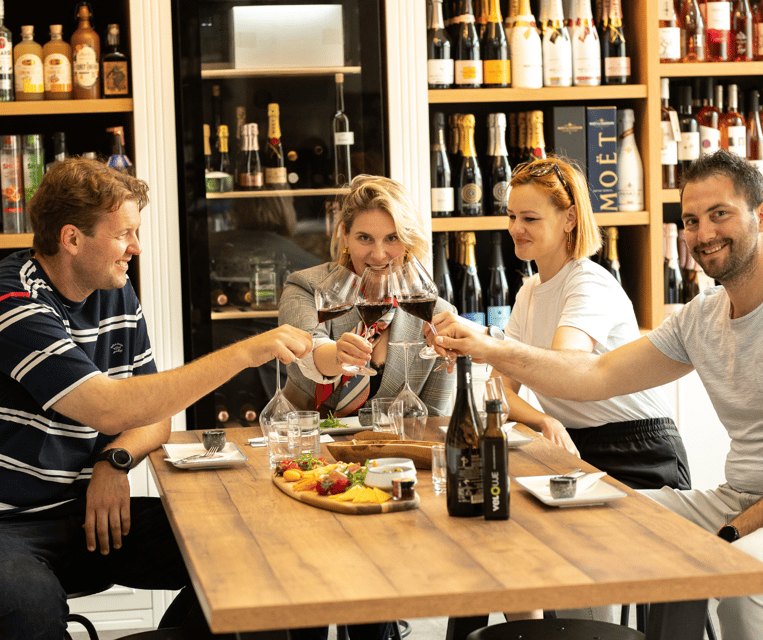
The educational angle is what turns this from a casual drink session into something you can remember. The host explains Croatian wines using region and climate—how growing conditions feed into the grapes, and how that ends up tasting different in the glass.
From the way people describe the experience, the teaching style has a key strength: it works even if you know almost nothing. One guest specifically pointed out that they worried about not knowing enough, but the host handled questions with patience and explanation. Another review mentioned a lot of history and regional context, including how climate affects growing and flavor of the grapes.
Here’s why that matters for your trip: Split has plenty of wine opportunities, but it can be hard to tell what you’re looking at. A guided tasting gives you a framework you can carry with you later—when you see a bottle on a menu or a store shelf, you’ll have a better sense of what to ask for or what kind of style you’re drawn to.
The guide matters: Sven, Marina, and the human touch
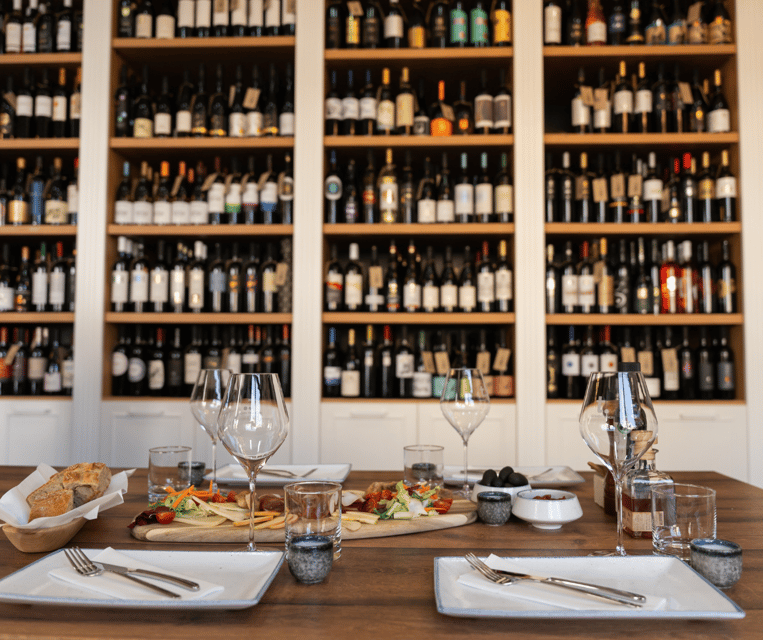
Wine tastings can go two ways. Either you get a scripted speech, or you get real conversation. Split&Sip seems to lean human.
Sven (and the closely spelled Swen) shows up repeatedly in reviews as a host who’s patient, informative, and comfortable adapting. Marina is also mentioned as friendly and knowledgeable about wines and olive oils, with history tied into what you’re tasting.
Even better: there’s evidence that the tasting can adjust when dietary habits come up. One review noted that the host accommodated a guest who doesn’t eat meat. That’s not a guarantee for everyone, but it tells you the hosts are paying attention and aren’t forcing the same plate on every person.
If you’re someone who wants to ask “why” questions—How is this different from that? What makes this Croatian?—this is the kind of format where you can actually get answers, not just nod along.
A few more Split boat days and tours worth a second look


Duration and pacing: how to judge the one-hour rhythm
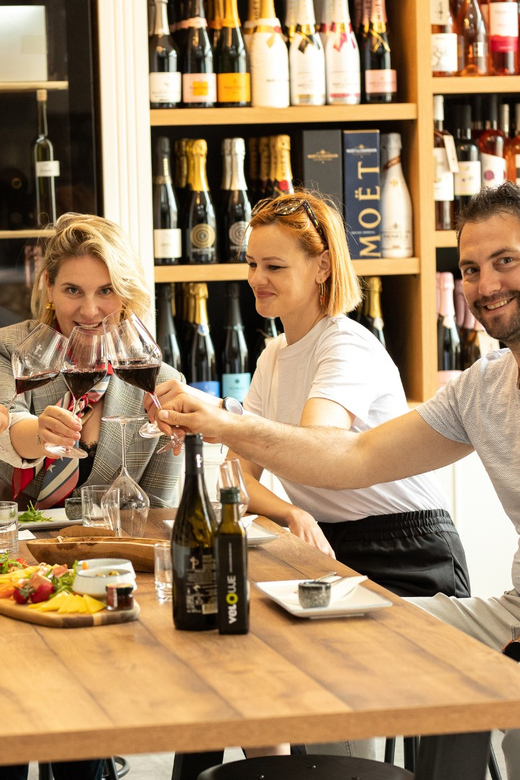
The tasting is listed as 1–2 hours, with the wine tasting itself described as about 1 hour. In reality, the pacing can feel intense if you arrive expecting a slow, detailed course.
One reviewer mentioned that attention dropped off for later wines during the session—basically, the host appeared to be trying to wrap up. That doesn’t mean the experience is bad. It means you should calibrate expectations.
If you’re the type who wants to scrutinize every pour for ten minutes each, you might feel a little rushed. If you’re happy with a guided overview plus good food and clear explanations, it’s a friendly length for a city afternoon.
Practical tip: go in knowing you’re buying into a format, not a private wine seminar. You’ll learn enough to be confident ordering later, and you’ll have a good time doing it.
Food pairing in Split: cheese, prosciutto, olives, and tapenade
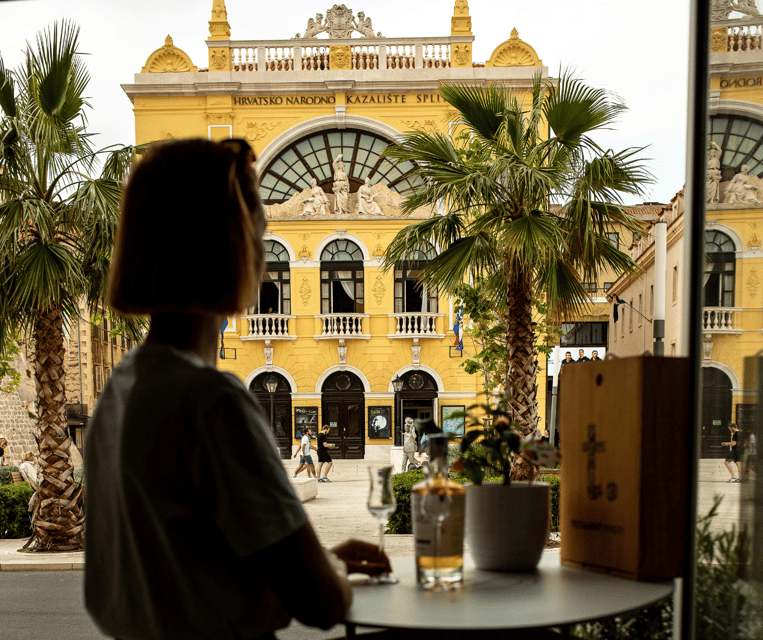
The pairing is more than a side dish—it’s part of how the tasting teaches you what to notice.
Prosciutto and olives bring salt and intensity. Tapenade adds an extra layer of flavor, and cheeses give you something creamy to reset your palate. Together, they help you answer simple tasting questions like:
- Does the wine feel balanced with salty food, or does it fall flat?
- Does it taste smoother after cheese?
- Does your preference change once you’ve had something savory in your mouth?
This is especially useful if you’re a beginner. You don’t have to pretend you’re trained. Your palate can be guided by the food you’re already familiar with.
Also, a small tapas-style plate vibe shows up in reviews, so even if you’re not a full dinner person, you’re still getting satisfying bites.
Price and value: why $56 can make sense in Split
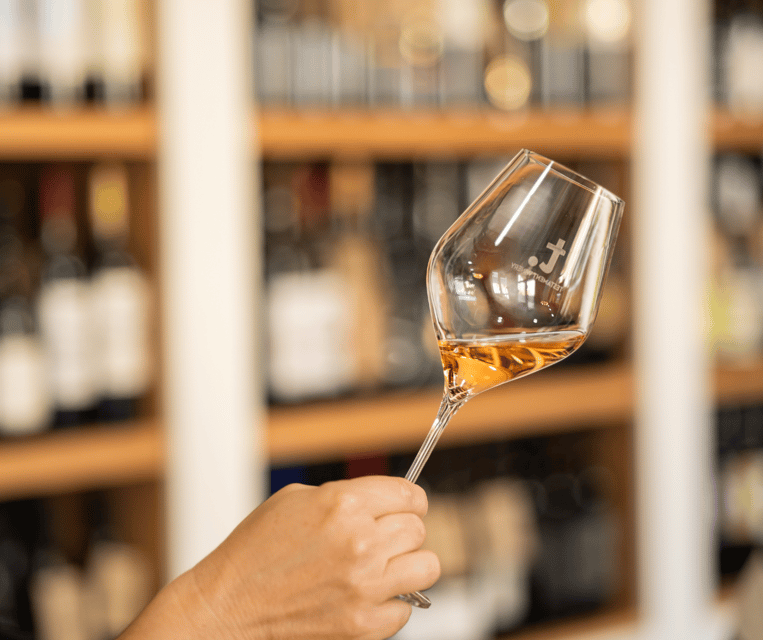
At $56 per person, this isn’t a budget “sip two glasses” deal. But it also isn’t priced like a full-day excursion. The value comes from combining three things in one place:
- Guided education (not just consumption)
- Included food pairings (cheese, prosciutto, olives, tapenade)
- A central Split location near major landmarks
A tasting like this can be great value because your money goes toward the host’s time and the tasting structure. Without guidance, you might buy a bottle, but you’d lose the “learning” part—the regional and climate explanations that help you understand what you’re tasting.
There’s also an end-of-experience advantage: the shop is the setting, so you’re in the right place to buy a bottle you liked. One guest said they bought wine after the tasting because it was that good.
One consideration on value: shipping. One review specifically said the shop does not ship bottles, even within the EU. So if you’re hoping to stock up and have it sent home, plan on carrying it yourself or just buy enough to enjoy while you’re in Croatia.
Who should book this educational wine tasting?
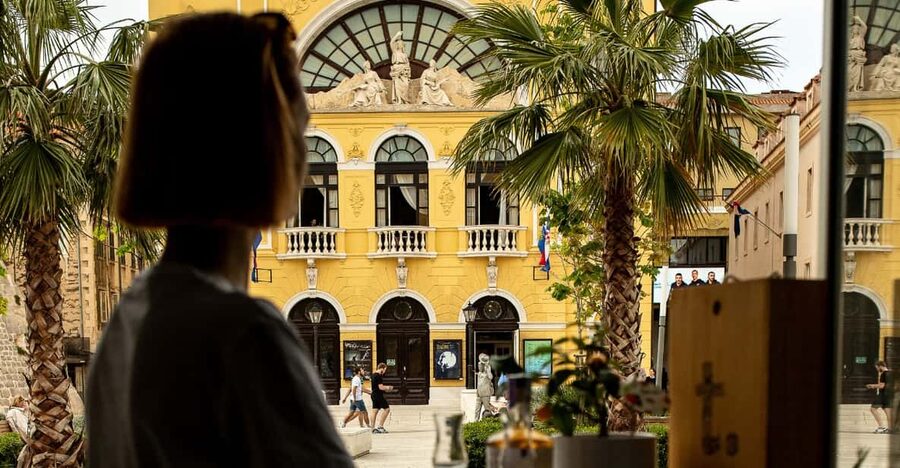
This works best if you:
- Want a short, high-impact activity in central Split
- Are curious about Croatian wine regions and how conditions affect grapes
- Appreciate food pairings with your tastings
- Are okay with a structured format that moves through a handful of wines
It’s also a good choice for mixed groups. The shop offers other beverages—craft beers, spirits, and non-alcoholic drinks—so you don’t feel trapped if you’re not all-in on wine.
A note on fit: it’s not suitable for children under 18, and pets aren’t allowed. If anyone in your group smokes, smoking indoors isn’t allowed either.
Timing tips for fitting Split&Sip into your day
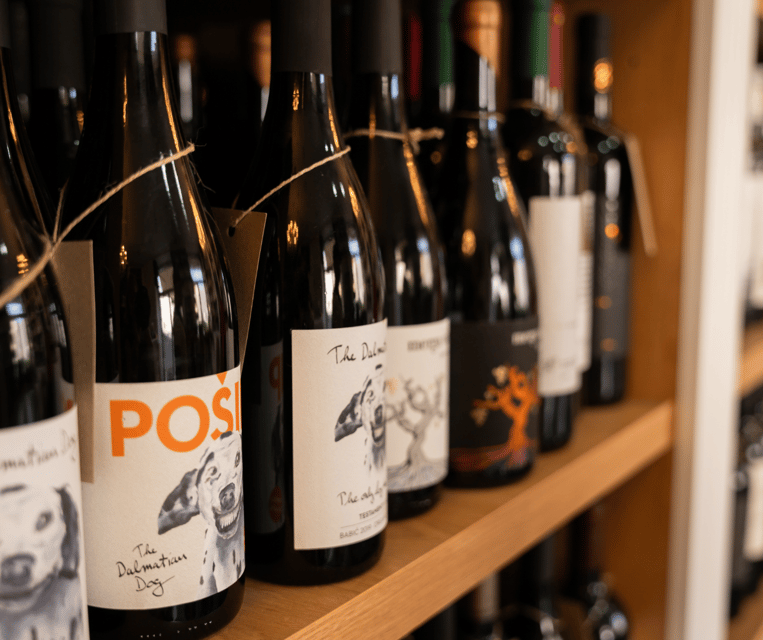
Because the tasting is roughly 1–2 hours, I’d plug it into the middle of your Split day. It’s perfect after a morning walk or before you settle into dinner plans.
Also, central Split is crowded and scenic, so you’ll likely be walking a lot. A tasting that includes food helps you avoid the classic mistake: getting tipsy first and then trying to eat later when you’re too hungry—or too late.
If you’re pairing the experience with sightseeing, aim to be nearby. The National Theatre area is a handy anchor point, and it makes your “how do we get back?” problem much smaller.
The bottom line: should you book Split&Sip?
Yes, I’d book it if you want a focused, city-center wine experience that teaches you something you can use. The standout strengths—the educational approach, the included food pairings, and the way hosts like Sven and Marina handle questions—make it a strong use of time in Split.
Skip it or go in with eyes open if you’re hoping for a slow, ultra-detailed breakdown of every single wine. The session is built to move, and sometimes later pours may get less time in the spotlight.
If you want a relaxed lesson in Croatian wine without turning your day into homework, Split&Sip is an easy decision.
More Food & Drink in Split
- From Split: Krka Waterfalls, Food & Wine Tasting Tour
★ 5.0 · 9,326 reviews - From Split: Krka Waterfalls, Food & Wine Tasting Tour
★ 4.9 · 6,598 reviews - Split: Blue Lagoon and 3 Island Cruise with Food and Drinks
★ 4.8 · 1,969 reviews - Krka National Park Tour with tour Guide & Wine tasting from Split & Trogir
★ 5.0 · 1,625 reviews - Split/Trogir: Krka National Park Day Trip with Wine Tasting
★ 4.7 · 925 reviews
More Tour Reviews in Split
- Split: Krka Waterfalls Trip with Boat Cruise and Swimming
★ 4.8 · 10,519 reviews - From Split: Krka Waterfalls, Food & Wine Tasting Tour
★ 5.0 · 9,326 reviews - Blue cave, Mamma Mia and Hvar, 5 islands speedboat tour
★ 5.0 · 7,150 reviews - From Split: Krka Waterfalls, Food & Wine Tasting Tour
★ 4.9 · 6,598 reviews - Split/Trogir: Blue Cave, Mamma Mia, Hvar and 5 Island Tour
★ 4.6 · 6,320 reviews
Wine and Konoba Nights, Split
- From Split: Krka Waterfalls, Food & Wine Tasting Tour
★ 5.0 · 9,326 reviews - From Split: Krka Waterfalls, Food & Wine Tasting Tour
★ 4.9 · 6,598 reviews - Krka National Park Tour with tour Guide & Wine tasting from Split & Trogir
★ 5.0 · 1,625 reviews - Split: Krka Waterfalls With Boat Cruise, Wine and Olive Oil
★ 4.3 · 1,507 reviews - Split/Trogir: Krka National Park Day Trip with Wine Tasting
★ 4.7 · 925 reviews
Still deciding? More Split trips we have been out and reviewed
Split Wine & Konoba Tastings, compared.
 ★ 5.0Krka Waterfalls, Food & Wine Tasting TourFrom $459,326 reviews
★ 4.9Krka Waterfalls, Food & Wine Tasting TourFrom $446,598 reviews
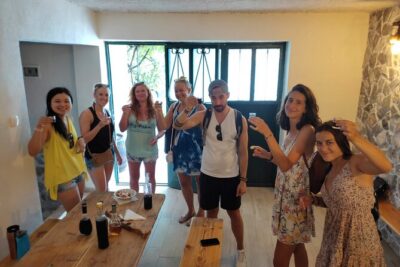 ★ 5.0Krka National Park Tour with tour Guide & Wine tasting from Split & TrogirFrom $501,625 reviews
 ★ 4.3Krka Waterfalls With Boat Cruise, Wine and Olive OilFrom $231,507 reviews
 ★ 4.7Krka National Park Day Trip with Wine TastingFrom $49925 reviews
 ★ 4.5Mostar and Medjugorje Tour with Wine TastingFrom $88282 reviews
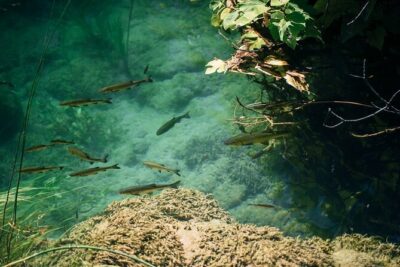 ★ 5.0Private Full-Day Krka Waterfalls Tour with Wine TastingFrom $665263 reviews
 ★ 4.5Krka Waterfalls and wine tasting Tour from Split or TrogirFrom $50170 reviews
Browse the lists this tour appears in