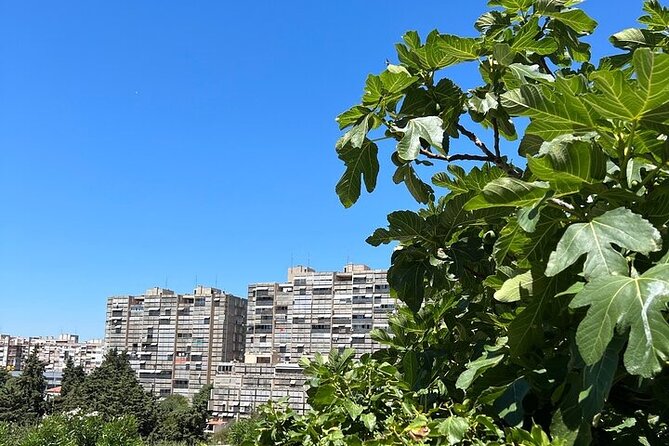
Reviewed · SPLIT
Secret Split: Socialist Architecture & brutalism – Urban Utopia
Concrete can be surprisingly human. This Secret Split walk takes you past the Roman center into Split 3, a post–World War II socialist experiment later shown by MoMA, and explains how concrete plans became real routines for people. I love how the route reads like a city-within-a-city, with brutalism treated as care and everyday geometry, not just a style. I also like the human scale of the storytelling, with guides like Mirjana (from one of the most positive accounts) making the architecture feel connected to neighbors and daily life.
One possible drawback: this is not a monuments-first tour. If you mainly came for the big-picture Old Town highlights, you’ll need a bit of patience for planning details and modern urban thinking.
In This Review
- Key things that make Secret Split worth your time
- Why Split 3 feels like a city you can walk through
- Brutalism here is about people, not just concrete
- Papandopulova ulica: the Split 3 MoMA moment
- Split-Dalmatia County stop: the planning logic behind Split 3
- Art activism in Split: from concrete dreams to critical voices
- What you actually get on the walk (and why it’s included)
- Price and value: what $113.90 buys you
- Getting the most out of the route
- Who this is best for
- Should you book Secret Split: Socialist Architecture & Brutalism?
- FAQ
- FAQ
- How long is the Secret Split walk?
- Where does the tour start?
- How much does it cost?
- Is the tour private?
- What’s included in the price?
- Do I need to pay admission fees at the stops?
- Does the tour use mobile tickets?
- Are tips included?
- What are the operating hours?
- Is free cancellation available?
- Is it easy to reach by public transportation?
Key things that make Secret Split worth your time
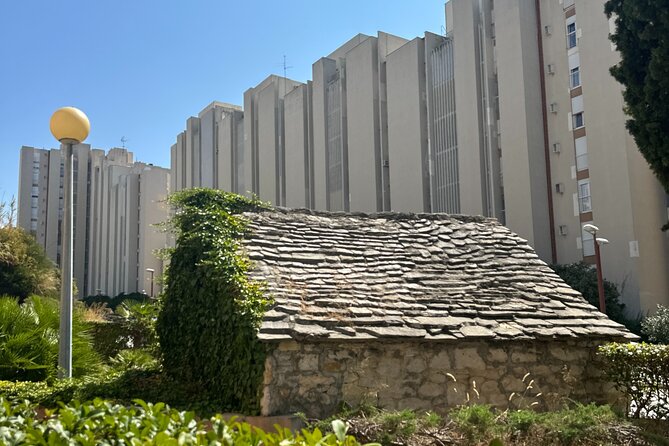
- Split 3, featured at MoMA: you’ll see why this brutalist housing plan caught international attention.
- A city-within-a-city feel: pedestrian spaces and daily-life planning are central to what you’ll notice.
- Brutalism explained as care: concrete is framed as support for community, children, and ordinary routines.
- Stop-by-stop context: each area you walk through adds another layer of why the plan was built.
- Meeting local artists/activists: you get a modern lens on the same spaces.
- Private group format: it’s only your group, with a licensed guide and heritage interpreter.
Weighing up your options around Split? These are the trips we rated highest.
- Split: Krka Waterfalls Trip with Boat Cruise and Swimming★ 4.8 · 10,519 reviews
- From Split: Krka Waterfalls, Food & Wine Tasting Tour★ 5.0 · 9,326 reviews
- Blue cave, Mamma Mia and Hvar, 5 islands speedboat tour★ 5.0 · 7,150 reviews
- From Split: Krka Waterfalls, Food & Wine Tasting Tour★ 4.9 · 6,598 reviews
Why Split 3 feels like a city you can walk through
Most Split tours sprint from Roman leftovers to viewpoints and call it a day. This one slows your brain down and shifts your attention to the 20th century—when people tried to redesign life using housing blocks, public space, and a very firm idea of what society should look like.
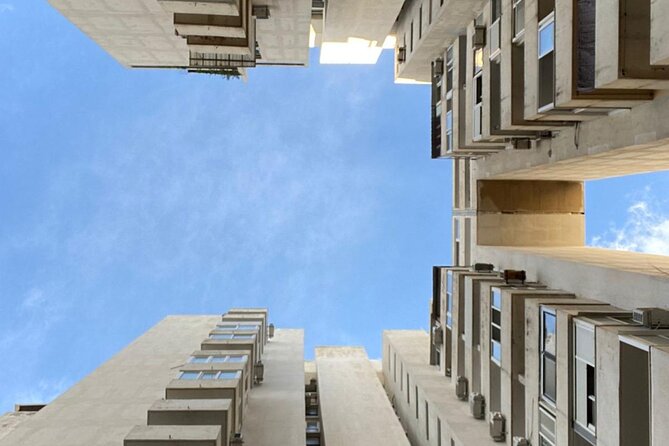
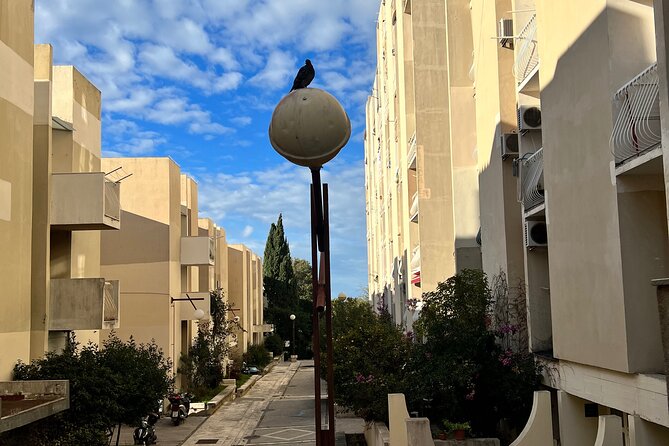
The core idea is simple: you’re not just looking at buildings. You’re reading a neighborhood that was planned to function—daily life on the ground floor, community in shared space, and a layout that encourages moving on foot. Once you start noticing the clean lines and the open areas between structures, the whole place makes more sense than a quick photo stop ever would.
Brutalism here is about people, not just concrete
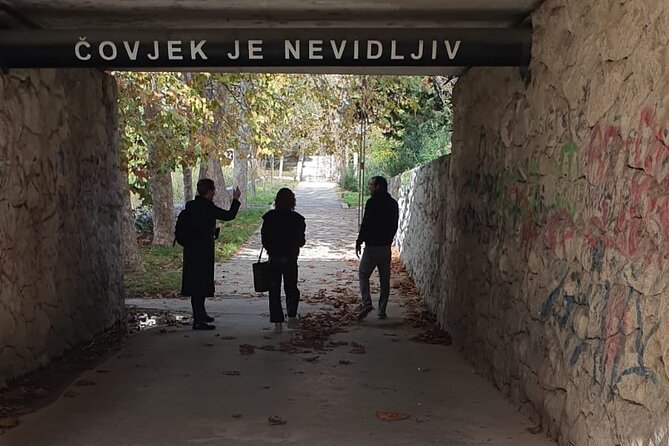
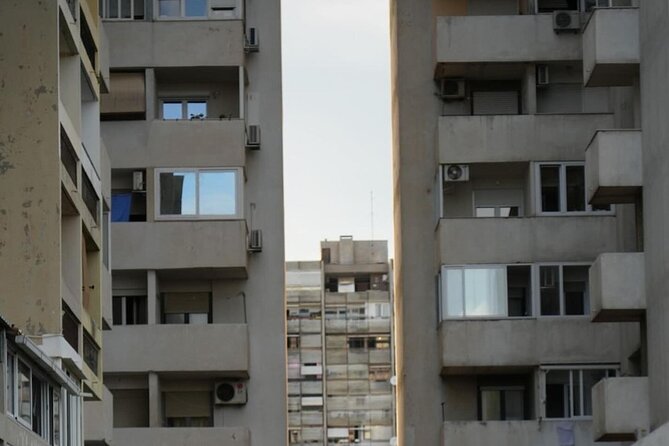
Yes, you will see raw surfaces and blunt forms. But the point is what those forms were meant to do. In this walk, brutalism isn’t sold as a cold aesthetic. It’s presented as practical architecture: geometry that organizes movement, open spaces that support social contact, and housing designed for real families.
That’s where the tour clicks for me. When you understand the intention—how space was planned for daily use—the buildings stop feeling like relics and start feeling like infrastructure. You may even catch yourself warming to the look, mostly because you’re learning how it works at street level.
Also, because the tour isn’t framed as nostalgia, you don’t get stuck in a museum mood. You’ll walk through spaces as they exist now, which keeps the experience grounded.
Papandopulova ulica: the Split 3 MoMA moment
Your first stop is Papandopulova ulica, and it’s a strong way to start because it ties the neighborhood to a bigger story. Here, you’ll connect what you’re seeing to Split 3’s broader reputation: an expansion built in the 1970s, shaped by the era’s socialist urban thinking, and later included in MoMA’s exhibition Toward a Concrete Utopia (New York, 2018).
This matters because it changes the conversation. You’re not only asking what the buildings look like—you’re asking what kind of future they were trying to build. The MoMA reference gives the architecture credibility beyond local fame, and it helps you see why scholars and designers still talk about Split 3 as an urban planning case study.
The practical reality of the stop is also useful. The duration is about 38 minutes, which is long enough to notice layout details but not so long that you lose the sense of walking progression. Admission at this part is free, so you’re paying for interpretation and guidance, not entry fees.
Split-Dalmatia County stop: the planning logic behind Split 3
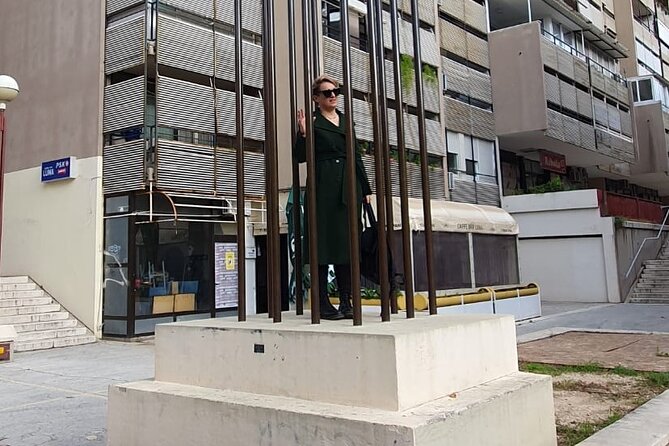
Next comes a move into Split-Dalmatia County, where the discussion shifts from visuals to pressures and goals. Split 3 is described as a response to rapid demographic growth. That context is key: it explains why the plan leaned toward large-scale construction and why the neighborhood’s structure feels decisive.
You’ll also learn that the project was never fully realized. That’s an important nuance for how you interpret what you’ll see. If you only look at the physical spaces, you might think the plan was either perfectly executed or totally failed. Learning about the incomplete nature of the project gives you a more honest reading of the city fabric—some elements are there because they worked, and others may feel unfinished or inconsistent because the bigger plan didn’t fully land.
This part runs about 25 minutes. For me, that’s a good pacing choice. You get a chunk of context without dragging the walk into a lecture. You’ll leave this section with a clearer sense of the neighborhood’s logic—why it was built, what it was meant to solve, and why it became part of wider 20th-century architectural conversations.


Art activism in Split: from concrete dreams to critical voices
The third stop returns you to street-level culture: art activism in Split. This isn’t treated as a side quest. It’s presented as a response to the need for explicit critical communication—basically, how people speak back using the city as a canvas.
This stop also connects to something the tour includes: meeting local artists/activists. Even if you come for brutalist architecture, this part can redirect your perspective. It reminds you that neighborhoods don’t just get shaped by planners; they get shaped by people who live, question, and re-interpret space.
Timing here is about 35 minutes, which is right for the tone shift. Architecture can feel like a controlled narrative, but art activism tends to introduce questions, tensions, and commentary. That contrast helps you understand Split 3 not only as a historical experiment but as an environment that people are still working with today.
What you actually get on the walk (and why it’s included)
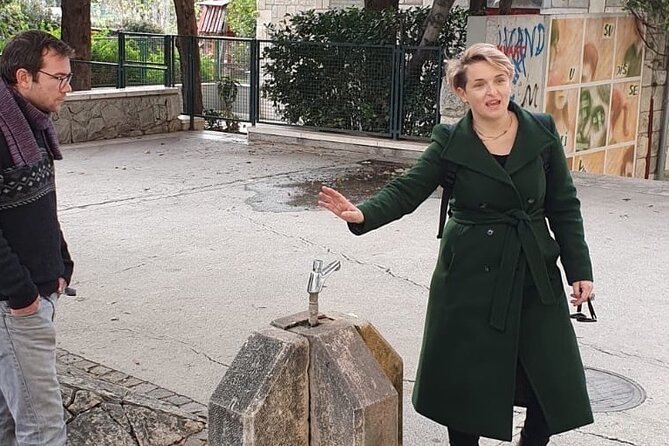
This tour includes a guided visit of the residential area of Split, led by a licensed tourist guide and a certified heritage interpreter. That combination matters because the walk is not just about stories. Heritage interpretation usually means you’re given a framework for what to notice and how to read it—what’s significant, what changed, and why the design language carries meaning.
You also get a chance to meet local artists/activists, which keeps the experience from becoming purely academic. It turns the neighborhood into something you can talk to people about, not just something you watch from behind your phone.
It’s a small practical detail, but I appreciate that the walk is designed around a real neighborhood experience. The places you see are meant for daily life, so you’ll notice how pedestrian access and shared space shape behavior. That’s where the tour becomes more than “cool architecture.”
Price and value: what $113.90 buys you
At $113.90 per person, you’re paying for a focused, guided interpretation session, not a broad bus tour. Duration runs about 1 to 3 hours, and the stops are structured so you don’t just pass by buildings—you’re given enough context to connect design choices to social goals.
Two value boosters stand out. First, tickets for the stops are free on the schedule you’re using (so you’re not hit with extra admissions during the walk). Second, the guides bring both licensing and heritage interpretation, which typically means you’re paying for quality explanation, not just directions.
There’s also a “real-world” value aspect: it’s a private tour/activity, meaning only your group participates. That format often improves the Q&A. You can ask about what you’re seeing—why a space is laid out a certain way, what brutalism meant at the time, and how the neighborhood works today—without feeling rushed.
And yes, there’s a mobile ticket option and group discounts. If you’re traveling with friends, you’ll likely feel better about the total cost when you split it.
Getting the most out of the route
To enjoy this tour fully, you’ll want to shift your mindset from landmark hunting to neighborhood reading. Here’s how to do that without overthinking it:
- Look at the spaces between buildings, not only the buildings themselves. In brutalism, the voids matter as much as the walls.
- Pay attention to pedestrian flow. This is described as fully pedestrian and community-oriented, so movement patterns are part of the story.
- Ask the guide how planning translates into daily life. The tour’s whole pitch is that the belief behind the design still shapes how people live here.
- Expect a 20th-century focus. If you’re expecting Roman-era stops, you’ll feel the difference fast—in a good way if you like modern urban questions.
Wear comfortable shoes. You’re walking around a residential area, and the experience is built for seeing how spaces work at ground level.
Who this is best for
This tour is a strong fit if you enjoy any of these:
- Brutalist architecture and postwar urban planning
- city design that shapes daily routines (especially pedestrian zones)
- architecture as a social experiment, not just a style
- art and activism that engages with built space
If you want the story of Split only through the ancient world, you might prefer a different style of walk. But if you’re curious about how the modern city got made—and why that experiment still echoes—you’ll probably find this tour refreshing.
Should you book Secret Split: Socialist Architecture & Brutalism?
Book it if you want a Split that goes beyond the usual timeline. This is not a nostalgic walk. It’s a structured walk through a postwar neighborhood, with explanation that connects design to social goals and then brings in contemporary voices through art activism.
Skip it if you’re mainly chasing iconic monuments and expect short photo stops. This experience asks you to look longer and think a bit about urban planning. The payoff is worth it if that kind of mental workout sounds appealing.
FAQ
FAQ
How long is the Secret Split walk?
The tour lasts about 1 to 3 hours.
Where does the tour start?
It starts at Ul. Šime Ljubića 3, 21000, Split, Croatia, and ends back at the same meeting point.
How much does it cost?
The price is $113.90 per person.
Is the tour private?
Yes. It’s listed as private, so only your group will participate.
What’s included in the price?
Included are a tour with a licensed tourist guide and a certified heritage interpreter, visiting the residential area of Split, and meeting local artists/activist.
Do I need to pay admission fees at the stops?
Admission is listed as free for the scheduled stops.
Does the tour use mobile tickets?
Yes, it’s available with a mobile ticket.
Are tips included?
No. Tips are not included.
What are the operating hours?
The listed opening hours are Monday through Thursday, 8:00 AM to 7:00 PM (within the provided date range).
Is free cancellation available?
Yes. You can cancel up to 24 hours in advance for a full refund.
Is it easy to reach by public transportation?
It’s near public transportation, and service animals are allowed.
More Tour Reviews in Split
- Split: Krka Waterfalls Trip with Boat Cruise and Swimming
★ 4.8 · 10,519 reviews - From Split: Krka Waterfalls, Food & Wine Tasting Tour
★ 5.0 · 9,326 reviews - Blue cave, Mamma Mia and Hvar, 5 islands speedboat tour
★ 5.0 · 7,150 reviews - From Split: Krka Waterfalls, Food & Wine Tasting Tour
★ 4.9 · 6,598 reviews - Split/Trogir: Blue Cave, Mamma Mia, Hvar and 5 Island Tour
★ 4.6 · 6,320 reviews