
Reviewed · SPLIT WINE & KONOBA TASTINGS
Red (Wine Tasting) Tour
Hvar’s wine hills feel a lot less like a postcard on this tour and more like real island life. I love how the small-group format keeps things personal, and I also love the mix of vineyard tastings plus a family-run konoba stop that explains how wine actually fits into daily life on the island.
You’ll spend the afternoon moving through parts of Hvar that most people never see from the ferry port. With a guide like Grgo (Natural Hvar Tours), you’re not just collecting tastes—you’re getting the why behind them: the terrain, the old cultivation habits, and the human effort that goes into every bottle.
One consideration: this is a wine-centered outing that runs about 4–6 hours starting at 3:30 pm, so if your ideal vacation is uninterrupted beach time, you’ll want to schedule around it.
In This Review
- What makes this Red Wine Tasting tour work so well
- From pickup to Hvar’s quieter roads
- The Hvar wine trail: vineyards, traditional cultivation, and what the soil demands
- Two-winery tasting: learn, taste, and compare styles
- A family konoba stop: where smaller producers make it personal
- Grgo’s perspective: history, island life, and sustainability under pressure
- Indigenous vines and why your favorite wine might change
- Timing and pacing: how to plan your afternoon around 4–6 hours
- Small-group value at $186.24 per person
- Who this tour suits best
- Should you book this Red Wine Tasting tour?
- FAQ
- What is the duration of the Red (Wine Tasting) Tour?
- What time does the tour start?
- Is pickup available?
- How big is the group?
- Is the tour available in English?
- What is the minimum age?
- Can I cancel for a full refund?
What makes this Red Wine Tasting tour work so well
- Max group size of 8: more conversation, fewer “where’s the group?” moments.
- Pickup from your accommodation: easier start, less stress before you’re sipping.
- English guided experience: clear explanations of vineyard methods and local varieties.
- Cellars and family wine stops: tasting isn’t one room, it’s multiple perspectives.
- Old family konoba visit: you see how smaller producers do the work.
- Homemade refreshment drinks and family baking: expect more than just wine glasses.
Konoba and cellar: more wine tastings around Makarska
- Wine Tasting Grabovac Tour From Makarska★ 5.0 · 63 reviews
- From Makarska Riviera : Wine Tasting Grabovac Tour★ 4.4 · 59 reviews
From pickup to Hvar’s quieter roads
This is the kind of tour that starts with convenience. Pickup is available right in front of your accommodation, and the day begins at 3:30 pm. That timing is handy: you miss the harshest late-morning sun, and you also get a slower pace after the busiest daytime crowds.
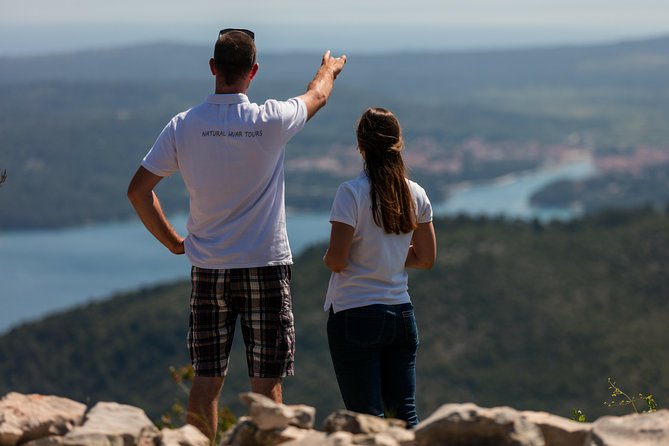
Then you’re off by car around Hvar. One theme you’ll hear again and again is how the island lives with its limits—thin soil, steep plots, and the fact that agriculture isn’t a hobby here, it’s survival. In one experience, the ride also included historic stops like Stari Grad, which gives you context fast: this island isn’t just pretty; it’s organized by history.
Practical tip: wear shoes you’d trust on uneven ground, and bring a light layer. Vineyard and cellar visits are often cooler than you’d guess once you’re off the main waterfront.
The Hvar wine trail: vineyards, traditional cultivation, and what the soil demands
The heart of the tour is the “wine trail” experience—half-day, focused on vineyards and the multi-century story behind how Hvar grows grapes. You’ll get guided explanations of the island’s plantation history and how vineyards developed over time on the island’s more difficult soils.
This matters because on Hvar, the wine isn’t just about taste. It’s tied to method: how vines are cultivated, how production is handled, and how tradition still influences what ends up in the glass. You’re also introduced to the idea of In Vino veritas—not as a slogan, but as the sense that winemaking reflects who people are and what they endure.
One of the most interesting parts is the attention to indigenous grape varieties—the original sorts that have grown in this area since ancient times. If you usually drink the same few international names, this is where the tour can surprise you in a good way: you learn that “local” here isn’t just marketing. It’s a real winemaking identity.
Two-winery tasting: learn, taste, and compare styles
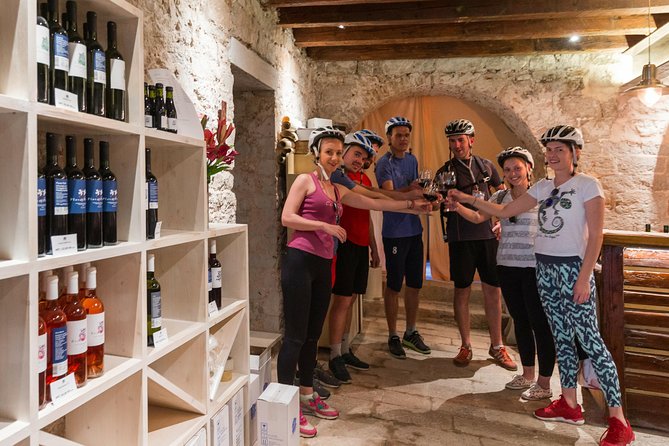
At some point in the program, you’ll step into wineries for tastings. The tour is designed around cellars of notable winemakers, which means you’ll see different approaches in a short time window. In plain terms: you get a comparison menu without needing to plan five separate stops on your own.
On one visit, the tastings expanded beyond wine into olive oil samples as well. You might also encounter food pairings and local bites at or around the tasting moment—think cookies baked by family members, and other small additions meant to make the wine experience feel grounded rather than formal.
A nice element here is how the guide connects flavors back to the story. Instead of tasting in silence, you get interpretation while the glass is still fresh. That’s how the tour helps you remember what you liked and why, not just what the labels said.
What to expect in the glass: you’ll likely sample several local styles, including reds, plus other varietals depending on what’s available that day. The tour is explicitly centered on red wine tasting, but you’ll often taste more than one expression because producers share what they’re proud of—not just a single “tour standard.”
A family konoba stop: where smaller producers make it personal
The tour includes a visit to an old family konoba. This is the part I’d call the “real life” break. A konoba is traditionally more intimate than the typical tasting room: it’s tied to a family farm, and the stories usually come from the people doing the work.
The point of this stop is to see how smaller producers produce wine through traditional preparation methods. You’re guided through the process via stories from older family members, which can make the whole experience feel less like a performance and more like listening in on an ongoing project.
In a couple of experiences shared by the tour community, you’ll also find that the family home stop comes with extra warmth—freshly made cookies, and a sense that conversation matters as much as the tasting itself. Even the small details can stick: one guest mentioned cookies and sugar almonds that kept getting eaten far faster than they planned.
Practical tip: if you’re the type who likes to ask questions, this is your moment. Ask about vineyard work, harvest timing, or what it means for them to keep the family methods going.


Grgo’s perspective: history, island life, and sustainability under pressure
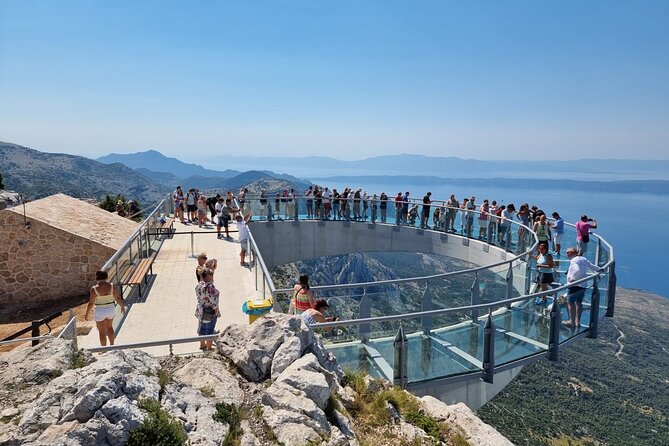
Natural Hvar Tours is family-run, and the guiding personality matters here. Multiple accounts highlight Grgo as energetic, funny, and deeply invested in the island—especially the tension between tourism and what agriculture needs to survive.
You’ll hear about how the island has changed and what pressures vineyards face: tourism growth, climate shifts, and the reality that agricultural lands can take serious hits. In at least one described afternoon, the conversation even included personal reality—health challenges requiring treatment in Split, plus how difficult logistics can be when you live far from emergency services.
What I like about this approach is that it doesn’t drag the mood into guilt. It stays practical. You’ll hear about people restoring properties, using thoughtful water systems, and trying to keep traditions alive in a more sustainable way. One guest described a friend who renovated an ancient homestead into a working farm and small food stop—exactly the kind of example that turns abstract “sustainability” talk into something you can picture.
Indigenous vines and why your favorite wine might change
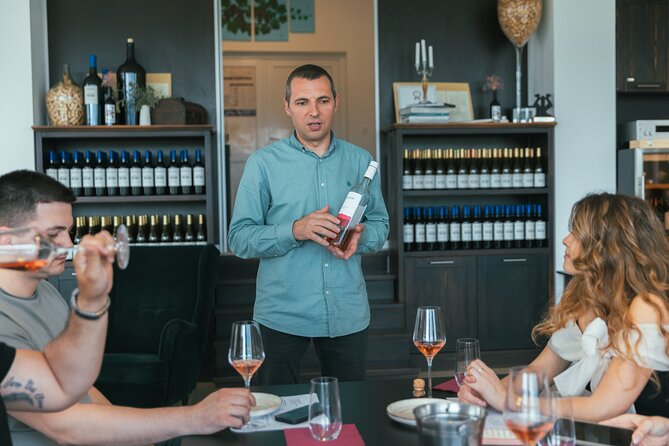
If you’ve ever thought of wine tasting as picking the best bottle and moving on, this tour nudges you toward something more useful. By focusing on indigenous varieties, you’re learning to taste within a local framework.
That means you may find you like different things than you expected. One person described having favorite bottles that didn’t even have labels yet—just family wines tied to the moment and the household. Another highlighted an aged red blend and a rose preference. Those aren’t guaranteed outcomes, but the idea is: your “favorite” could shift when you taste what the island actually grows.
This also helps you shop later. When you return to Hvar or mainland Croatia, you’ll be able to recognize how a wine’s character connects to local methods, not just to an importer’s description.
Timing and pacing: how to plan your afternoon around 4–6 hours
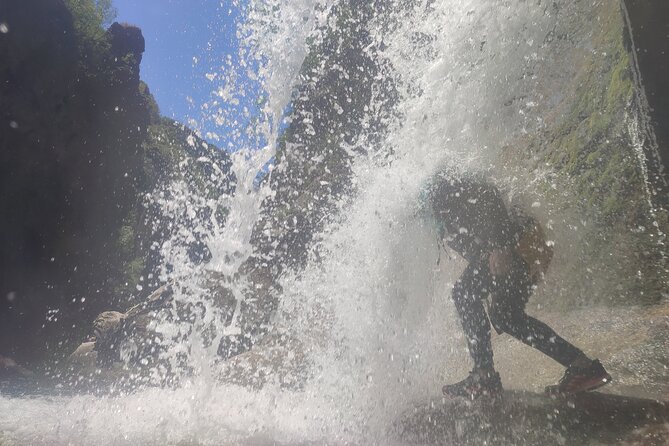
The tour duration is listed as 4–6 hours, and it starts at 3:30 pm. That range matters because it affects your evening plans. If you’re catching a ferry or dinner reservation right after, I’d treat this as a “start planning early” situation.
A good way to think about the schedule is that you’re trading beach time for altitude views, cellars, and conversation. You’ll likely spend chunks of time in transit between places, then time tasting, then time at the family stop. The rhythm keeps you from getting stuck in one long tasting room, but it’s still an active afternoon—especially if you’re also walking in and out of cellar spaces and vineyards.
Practical tip: hydrate before you meet up. Wine and homemade drinks are part of the day, and the best tasting moments usually happen when you’re comfortable enough to remember them.
Small-group value at $186.24 per person
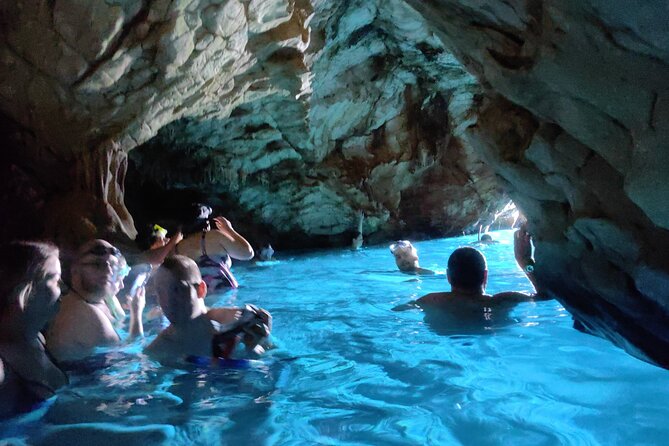
Let’s talk money without the hand-waving. $186.24 per person can feel high until you break down what you’re actually paying for.
You’re paying for:
- Pickup (less hassle, fewer logistics gaps)
- a small group (max 8), which raises the quality of interaction
- access to multiple wineries/cellars rather than one stop
- a dedicated visit to a family konoba
- wine tastings, plus homemade refreshment drinks
- an English guide who connects what you taste with how it’s made
If you tried to build this yourself, you’d spend time coordinating transport, contacting producers, and hunting down experiences that explain the process—not just sell bottles. Here, the guide does the connecting, and the small group size means you get more than a generic script.
Is it worth it? If you care about learning how wine fits into local life, it’s a strong value. If your goal is “drink a little and then run back to the shore,” you might resent the time away from the beach.
Who this tour suits best
This Red Wine Tasting outing is a great match if you:
- want more than a standard winery stop
- enjoy local stories and family-run businesses
- like learning about indigenous grapes and traditional cultivation
- don’t mind a 4–6 hour afternoon focused on wine and conversation
It’s less ideal if you:
- aren’t 18+ or prefer not to taste wine
- want a purely passive sightseeing day
- need a very tight schedule with no flexibility
Should you book this Red Wine Tasting tour?
If you want a Hvar wine experience that feels human—vineyards, cellars, and a family konoba instead of a shopping-room vibe—this is one of the better ways to spend your time. The standout part is the combination: you taste wine, but you also learn how the island’s people keep production going, even with modern pressures.
I’d book it if you’re the type who remembers conversations. If you’re more into loud crowds and late nights, you might choose something else. But if you want a quieter, story-rich afternoon with great wine and clear local explanations, this tour earns its place.
FAQ
What is the duration of the Red (Wine Tasting) Tour?
The tour lasts about 4 to 6 hours.
What time does the tour start?
The start time is 3:30 pm.
Is pickup available?
Yes. Pickup is offered and can be in front of your accommodation.
How big is the group?
The tour has a maximum of 8 travelers.
Is the tour available in English?
Yes, it’s offered in English.
What is the minimum age?
The minimum age is 18 years.
Can I cancel for a full refund?
Yes. You can cancel up to 24 hours in advance for a full refund. If you cancel less than 24 hours before the start time, the amount paid is not refunded.
More Tours in Makarska
- Makarska: Skywalk Tuk-Tuk Tour with Skip-the-Line Ticket
★ 4.9 · 725 reviews - Makarska: Skywalk Tour with a Tuk Tuk – Skip the line ticket
★ 5.0 · 552 reviews - Makarska: Baggy Skywalk & Biokovo Viewpoint Tour
★ 4.9 · 342 reviews - Makarska: 3-Island Speedboat Tour with Cave and Blue Lagoon
★ 4.9 · 333 reviews - Makarska: Guided Sea Kayaking Tour with Snorkeling Stop
★ 4.9 · 142 reviews
More Tour Reviews in Makarska
- Makarska: Skywalk Tuk-Tuk Tour with Skip-the-Line Ticket
★ 4.9 · 725 reviews - Makarska: Skywalk Tour with a Tuk Tuk – Skip the line ticket
★ 5.0 · 552 reviews - From Makarska: Biokovo Skywalk Entry Ticket with Transfers
★ 4.7 · 379 reviews - Makarska: Baggy Skywalk & Biokovo Viewpoint Tour
★ 4.9 · 342 reviews - Makarska: 3-Island Speedboat Tour with Cave and Blue Lagoon
★ 4.9 · 333 reviews
Wine and Konoba Nights, Makarska
- Wine Tasting Grabovac Tour From Makarska
★ 5.0 · 63 reviews - From Makarska Riviera : Wine Tasting Grabovac Tour
★ 4.4 · 59 reviews
Still deciding? More Makarska trips we have been out and reviewed

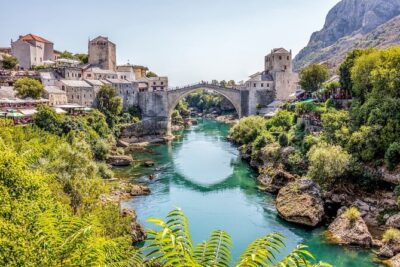
Split Wine & Konoba Tastings, compared.
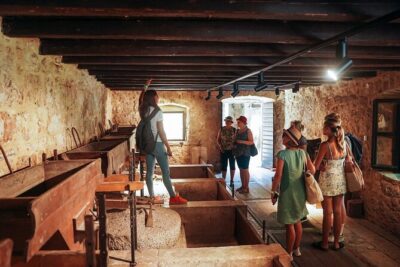 ★ 5.0Krka Waterfalls, Food & Wine Tasting TourFrom $459,326 reviews
★ 4.9Krka Waterfalls, Food & Wine Tasting TourFrom $446,598 reviews
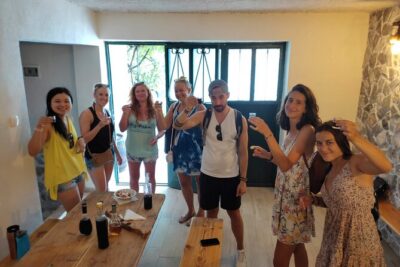 ★ 5.0Krka National Park Tour with tour Guide & Wine tasting from Split & TrogirFrom $501,625 reviews
 ★ 4.3Krka Waterfalls With Boat Cruise, Wine and Olive OilFrom $231,507 reviews
 ★ 4.7Krka National Park Day Trip with Wine TastingFrom $49925 reviews
 ★ 4.5Mostar and Medjugorje Tour with Wine TastingFrom $88282 reviews
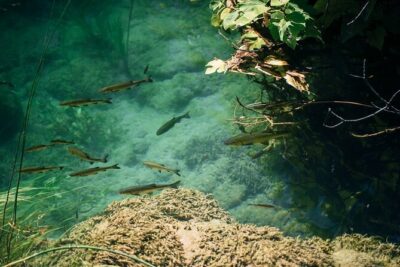 ★ 5.0Private Full-Day Krka Waterfalls Tour with Wine TastingFrom $665263 reviews
 ★ 4.5Krka Waterfalls and wine tasting Tour from Split or TrogirFrom $50170 reviews
Browse the lists this tour appears in